
2nd April 2026
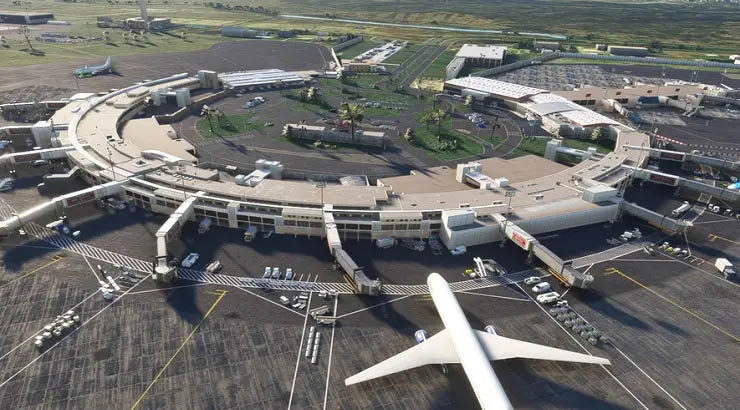
Kenya’s logistics landscape is entering a decisive growth phase—and for investors, the signals from Jomo Kenyatta International Airport (JKIA) are clear: the infrastructure to support large-scale, high-value export growth is being built now.
With a 20-year master plan targeting 860,000 tonnes of cargo throughput by 2045, JKIA is positioning itself not just as East Africa’s busiest airport, but as a continental logistics powerhouse. For current investors and those considering entry into the sector, this is a moment to align capital with infrastructure.
A Market Already in Motion
The foundation is strong. In 2024, JKIA handled approximately 390,000 tonnes of cargo, with over 70% moved via dedicated freighters—an indicator of a mature and growing air cargo ecosystem. More importantly, exports—particularly perishables—are projected to grow at 4% annually, outpacing imports and reinforcing Kenya’s role as a net exporter of high-value goods.
This growth is not speculative. It is anchored in the country’s globally competitive horticulture sector, which continues to supply flowers, fresh produce, and seafood to key markets in Europe and the UK.
Cold Chain: The Investment Backbone
For investors in agribusiness and logistics, the master plan’s emphasis on cold-chain infrastructure is especially significant.
Planned upgrades include:
- Dedicated cargo zones designed for efficient handling of perishables
- Reliable power infrastructure to support cold storage and handling systems
- Reduced aircraft turnaround times to preserve product quality
These improvements directly address one of the biggest risks in perishable logistics—breaks in the cold chain—while enhancing Kenya’s reputation as a reliable supplier of premium fresh products.
For investors, this translates into opportunities across:
- Temperature-controlled warehousing
- Packhouse integration near the airport
- Specialized freight handling services
Unlocking Capacity, Removing Bottlenecks
A key constraint at JKIA today is its single runway, which is expected to reach capacity as early as 2027. The master plan tackles this head-on.
Short-term enhancements (2026–2029) will improve efficiency through additional taxiways, reducing delays and increasing aircraft movement. But the real game-changer lies in the second runway planned for the 2030–2039 phase, which will effectively double airfield capacity.
For investors, this is critical: capacity expansion de-risks growth. It ensures that increasing cargo volumes will not be constrained by infrastructure limitations—a common bottleneck in emerging markets.
A Dedicated Cargo Ecosystem
Perhaps the most compelling opportunity lies in the development of a dedicated cargo precinct.
This will:
- Separate cargo operations from passenger traffic
- Expand aircraft parking with additional stands for freighters
- Open up land for future logistics parks and warehousing
In practical terms, this creates a clustered logistics ecosystem—the kind that drives efficiency, lowers costs, and attracts global players.
Investors in:
- Freight forwarding
- Third-party logistics (3PL)
- Export consolidation hubs
will find a ready platform for scalable operations.
Rail-to-Air Integration: A Strategic Advantage
One of the most transformative elements of the master plan is the integration of rail connectivity into the cargo network.
The planned commuter rail link will connect JKIA to Nairobi’s inland logistics zones and link directly with the Standard Gauge Railway (SGR). This creates a seamless corridor from the Port of Mombasa to the airport.
The implications are significant:
- Faster cargo movement from port to air
- Reduced reliance on road transport and lower congestion
- Lower logistics costs and improved predictability
For investors, this kind of multimodal integration is a major value driver. It enhances supply chain efficiency and makes Kenya more competitive against other export hubs.
Why This Matters Now
Infrastructure-led growth windows are time-sensitive. Early investors typically benefit the most—securing prime locations, establishing market share, and shaping value chains.
JKIA’s master plan signals:
- Long-term government commitment to logistics development
- Clear demand growth in perishables and high-value exports
- Strategic positioning of Nairobi as a regional and global hub
The Investment Case
For both existing stakeholders and new entrants, the opportunity is not just in aviation—but across the entire logistics value chain.
Key areas to watch:
- Cold storage and temperature-controlled logistics
- Airport-adjacent warehousing and distribution centers
- Integrated freight and export handling services
- Multimodal logistics solutions linking sea, rail, and air
As the infrastructure comes online, the competitive advantage will shift toward those who are already embedded in the ecosystem.
A Strategic Entry Point
JKIA’s transformation is more than an airport upgrade—it is the foundation of a next-generation logistics hub for Africa. For investors, the message is straightforward:
the infrastructure is being built, the demand is growing, and the window to position early is open.