
2nd April 2026
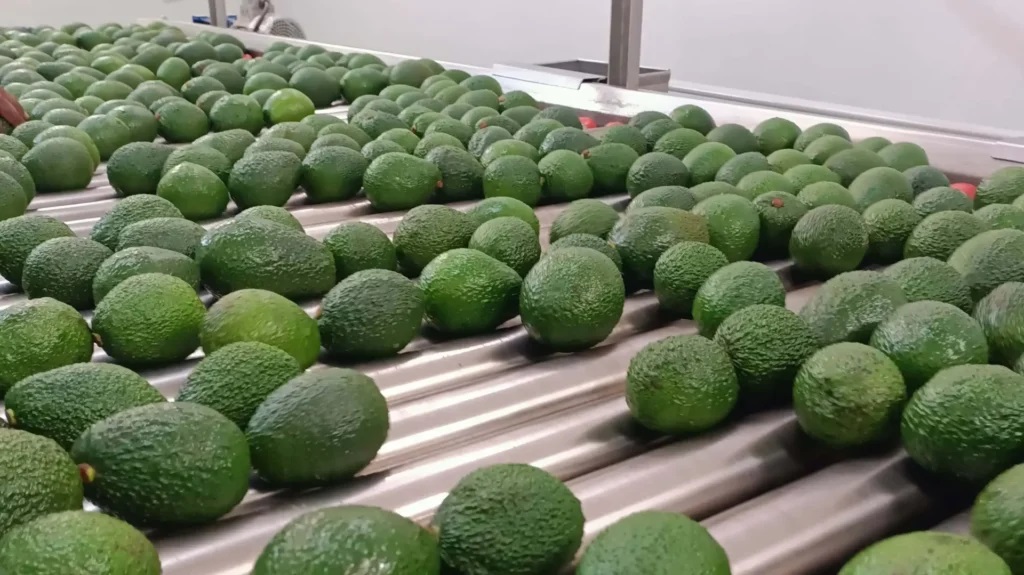
Stricter quality controls safeguard premium avocado markets, while trade deals could unlock raw macadamia exports to Asia.
Kenya’s horticulture sector is entering a pivotal season, marked by tighter export controls for avocados and renewed calls from macadamia farmers for market liberalisation. Both developments highlight the delicate balance between quality assurance, market access, and value creation in the country’s high-value crop exports.
The 2025/2026 avocado export season officially began on April 2, 2026, following improved fruit maturity across major production zones. The Agriculture and Food Authority (AFA) has introduced stricter regulations to ensure only mature, high-quality fruit reaches premium markets. All exporters are now required to undergo mandatory packhouse inspections, submit lists of registered suppliers, and adhere to traceability systems that link shipments to their origin and harvest timing. Open trucks, pickups, or Probox vehicles are no longer acceptable for transporting fruit, and harvesting immature avocados risks license revocation. Airport inspections focus on dry matter content, requiring avocados to meet 20–24% depending on variety before clearance.
These measures come in response to challenges in previous seasons, where a mix of mature and immature fruit led to high rejection rates in international markets. In 2024/25, Kenya exported approximately 110,000 metric tons of avocados, valued at over KES 25 billion (US$190 million). Losses from rejected immature fruit in premium markets can reach KES 7.5 billion (US$57 million) annually, making compliance a priority for growers and investors seeking consistent returns.
Meanwhile, macadamia farmers are advocating for a relaxation of the ban on raw nut exports. The current law restricts exports to processed products, a policy intended to promote value addition but one that has limited market access, particularly in Asia where raw nuts are in high demand. Farmers report surplus stock, low farm-gate prices ranging between Sh50 and Sh80 per kilogram, and the closure of some trading companies unable to move product.
The timing of this push aligns with Kenya’s upcoming trade agreement with China, which takes effect on May 1, 2026, allowing duty-free exports of agricultural products. Industry leaders see this as an opportunity to open alternative markets for raw macadamia nuts while maintaining processed exports to traditional Western markets. Kenya produces roughly 51,200 tons of macadamia annually, supporting between 200,000 and 500,000 smallholder farmers, primarily in Mt Kenya, Eastern, and Rift Valley regions, making it the world’s third-largest producer of the crop.
For investors and professional growers, these developments signal both challenges and opportunities. Compliance with avocado export regulations is critical to protect premium market access and avoid costly losses. At the same time, the potential liberalisation of macadamia exports and emerging Asian markets offer significant growth opportunities for those positioned to navigate regulatory requirements. Kenya’s horticulture sector continues to strengthen its reputation as a global supplier of premium produce, combining quality assurance with strategic market expansion.
In an evolving global market, Kenya’s avocado and macadamia sectors demonstrate the importance of balancing strict quality control with flexible, forward-looking trade policies. Those who can leverage these dynamics stand to gain from the country’s high-value crop exports in the coming season.