
09: 04: 2026
Persistent Chemicals in the Environment
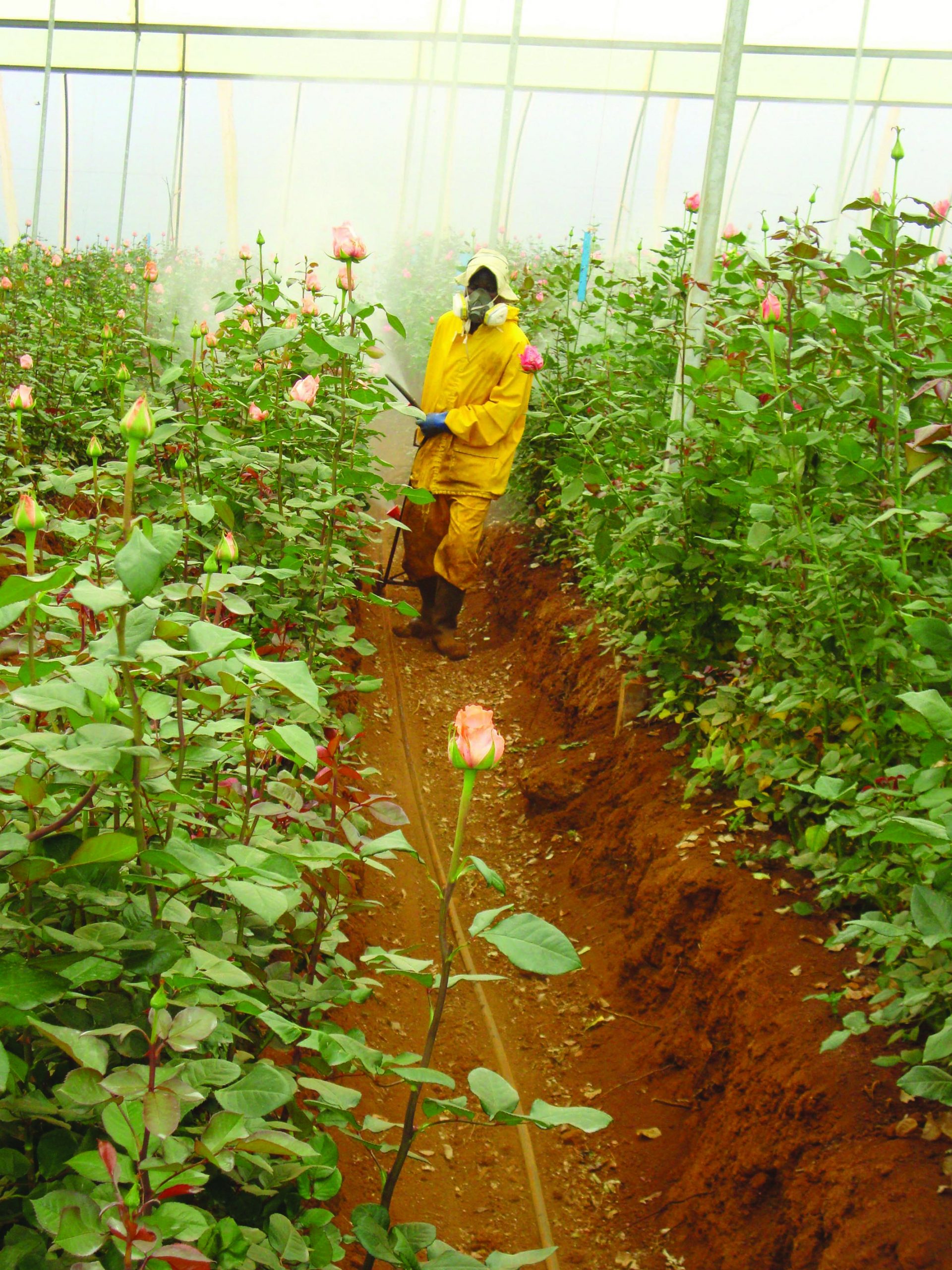
Pesticides do not vanish once their application stops or products are withdrawn from the market. Many compounds, particularly organochlorines and other chemically stable synthetic pesticides, resist degradation and can remain in soils, water, air, and living organisms for years or even decades. Their persistence creates long-term exposure risks, as residues continue to circulate in the environment long after active use has ceased.
Bioaccumulation and Biomagnification: Chemicals on the Move
One of the defining characteristics of persistent pesticides is their ability to accumulate in living tissues through bioaccumulation. Repeated low-
level exposure leads to gradual build-up in fat and other tissues, and through a process called biomagnification, these residues can travel up food chains, concentrating in top consumers, including humans. As a result, individuals at the top of the food chain often carry the highest chemical burdens, even if direct exposure has long ended.
Human and Animal Health Implications
Scientific studies show that pesticide residues can remain in humans and animals for years after exposure. Infants and young children are especially vulnerable, with exposure beginning early in life through maternal transfer during pregnancy and breastfeeding. Persistent compounds, such as DDT and its breakdown products, have been widely detected in breast milk. Developing physiological systems and lower body mass make children more sensitive to toxic effects, highlighting the disproportionate risk to younger populations.
Environmental Persistence Across Land, Air, and Water
Soil acts as a major reservoir for persistent pesticides, with estimates suggesting that up to 80–90 percent of applied chemicals can remain for extended periods. These residues disrupt microbial communities, interfere with nutrient cycling, and contribute to long-term declines in soil health and fertility. Beyond soils, pesticides are transported through the atmosphere via volatilisation, spray drift, and wind erosion, spreading contamination far from the original application site. Water systems are similarly affected; rivers, lakes, groundwater, and community water sources across East Africa have been found to contain multiple pesticide residues. In aquatic environments, sediments and living organisms often act as long-term storage compartments, sometimes holding higher concentrations than the surrounding water itself.
Ecological Consequences
The ecological impacts of persistent pesticides are well documented. In terrestrial systems, exposure can cause mortality, reproductive failure, and impaired immune function in birds and mammals. Beneficial insects, particularly pollinators, are highly sensitive to broad-spectrum insecticides, and their decline threatens agricultural productivity. Aquatic ecosystems are equally affected, with pesticide runoff contributing to fish kills, developmental abnormalities, and disrupted food webs.
Mitigation and Risk Management Strategies
Addressing the long-term impacts of persistent pesticides requires multi-layered approaches. Remediation techniques, such as bioremediation using plants, bacteria, and fungi, have emerged as scientifically supported and cost-effective strategies for breaking down pollutants. Continuous monitoring of residues in soil, water, food systems, and human populations helps track exposure and guide interventions. Limiting reliance on hazardous and persistent pesticides through integrated pest management, which prioritises prevention, biological controls, and targeted chemical use, significantly reduces risks. Regulatory frameworks should account for the persistence of chemicals, ensuring that long-term environmental and human health impacts are considered in approval and management decisions.
Why Kenya Flowers Excel
Science-Backed Measures on Farms
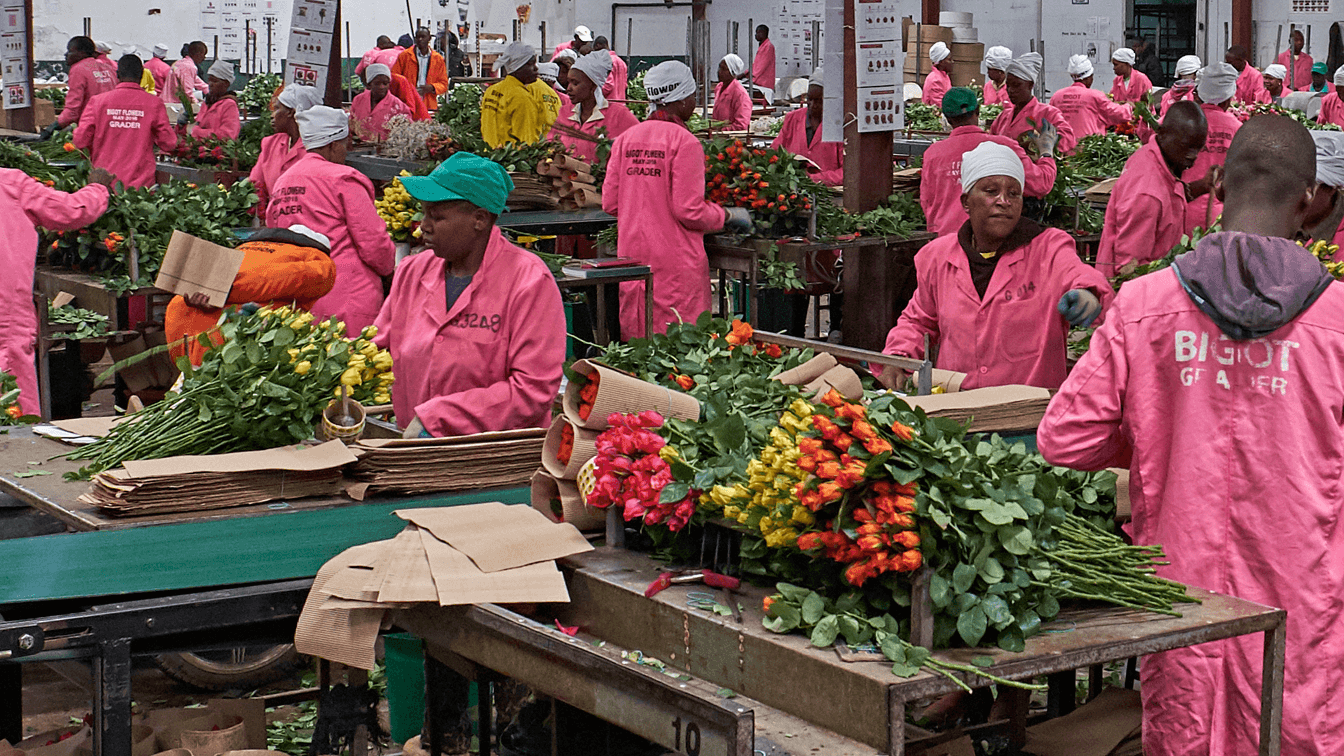
Despite the long-term persistence of pesticides, Kenya’s floriculture sector has implemented rigorous measures to minimise exposure. Commercial flower farms operate under integrated pest management systems that emphasise prevention, monitoring, and the use of biological controls before any chemical intervention is considered. Beneficial organisms, biopesticides, and cultural practices are widely adopted to suppress pest populations while reducing reliance on synthetic pesticides.
Regulated and Controlled Chemical Use
When chemical control is necessary, its use is tightly regulated. Applications are carried out with calibrated equipment by trained personnel wearing protective gear to minimise dermal and inhalation exposure. Strict re-entry intervals ensure that workers only access treated areas after residues have declined to safe levels, while pre-harvest intervals guarantee that products meet international Maximum Residue Limits before entering export markets.
Health Surveillance and Environmental Safeguards
Routine health surveillance, including periodic medical assessments and biomonitoring such as cholinesterase testing, is conducted to detect and prevent overexposure at an early stage. Environmental safeguards, including controlled application techniques, buffer zones around water bodies, and ongoing residue monitoring in soils and water, further reduce off-target impacts. Waste management systems and safe disposal protocols are also enforced to prevent environmental contamination.
Ongoing Improvements and Future Directions
The Kenyan floriculture sector continues to evolve toward lower-risk solutions. Expanded use of biological controls, precision application technologies, and reduced-risk chemistries complements continuous monitoring and adherence to international standards. Ongoing refinement of integrated pest management strategies ensures that both productivity and safety are maintained.
Conclusion: Managing Long-Term Risks
While pesticide persistence is a scientifically established reality, Kenya’s floriculture industry demonstrates that proactive, rigorous management practices can significantly reduce exposure risks and safeguard both human health and the environment. By combining careful regulation, modern farming practices, and ongoing innovation, the sector provides a model for managing the long-term challenges of persistent chemicals.