
Masila Kanyingi
A timely reminder from my friend Tim last week brought into sharp focus a truth that merits deliberate recognition: FloriNews and by extension Floriweek has been profoundly shaped by women. It is a narrative too often understated in recounting the evolution of our industry, yet one whose impact is both enduring and unmistakable
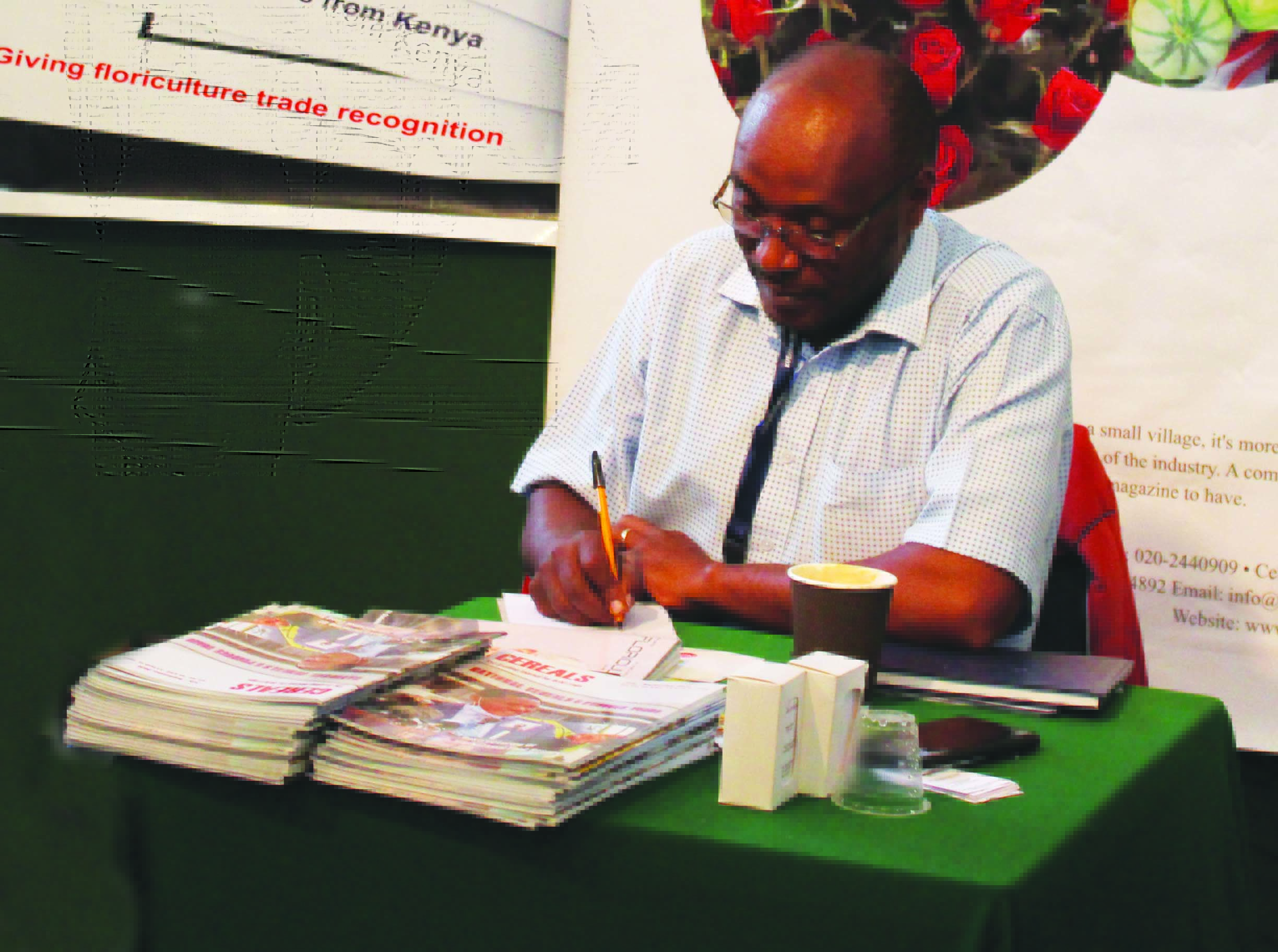
I had intended to dedicate this space solely to Mary Mwende Mbithi, whose transition to the National Potato Council of Kenya marks both a conclusion and an exciting new chapter. That recognition remains well deserved. Mary has been central to the pioneering journey of Floriweek. Her clarity of thought, editorial discipline, and unwavering commitment did not merely sustain a publication, they defined its voice and sharpened its relevance to the sector. As she takes on her new role, we extend our sincere appreciation and wish her continued success. The industry she leaves behind is stronger because of her; the one she joins stands to benefit in equal measure.
Yet Mary’s story is part of a far broader and richer tapestry.
This journey traces back to 1997, when I encountered Catherine Riungu a formidable figure in horticultural journalism. At a moment when my trajectory in mainstream media had faltered, she discerned potential and redirected it toward a sector that would become a lifelong calling. Catherine’s conviction was clear: horticulture is not merely agriculture; it is an economy, a science, and a story that demands to be told with precision and purpose. Even after that early publication folded, the foundation had been firmly laid for Floriculture, Floricultural Directory and now, Floriweek.
Along the way emerged a remarkable cadre of women who helped shape not only a publication, but the narrative of an industry. Carol Mwaura, who would go on to found Hortifresh. Faith Kimotho, who transitioned to Kenya Airways. Winnie Muya, whose journey through the Kenya Flower Council now extends to ASNET, and who brought in Ann Minjugu, now contributing to mainstream media at The Star. Mercy Mutua, who returned to her love, teaching, remains part of this enduring story.
These are but a few among many. Behind them stands a wider network of women writers who, for nearly three decades, have defined how Kenya’s flower sector is articulated, understood, and positioned.
Today, their influence continues to resonate across the fresh produce landscape not from the farm, but through the power of narrative, shaping perception, markets, and policy.
Mary, you carry this legacy forward. And to all the women who have walked this path: Floriweek speaks because you gave it a voice.