
In a year defined by shifting global trade dynamics, logistical disruptions and evolving market expectations, Kakuzi Plc’s 2025 financial performance offers a compelling narrative of resilience, diversification and the enduring strength of Kenya’s horticultural value proposition.
The listed agribusiness returned to profitability with a net profit of
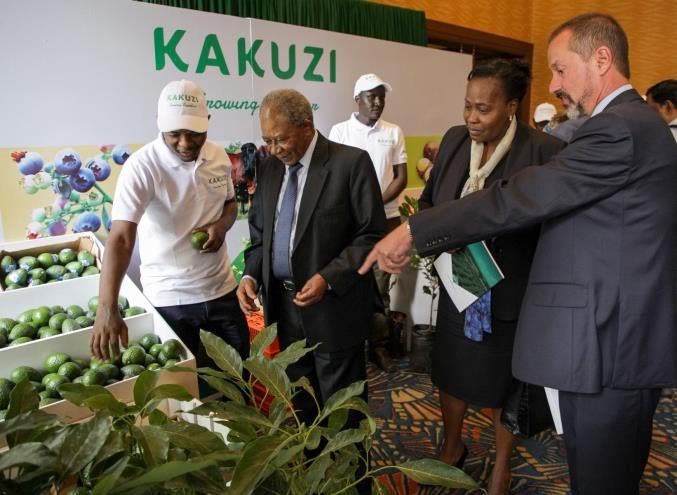
KSh 387.6 million, a marked recovery from the KSh 131.7 million loss recorded in 2024, while pre-tax profit rose to KSh 568 million. Beyond the headline numbers, however, lies a deeper story, one that reflects both the opportunities and vulnerabilities shaping East Africa’s fresh produce sector.
At the core of this recovery is avocado, now firmly established as a cornerstone of Kakuzi’s earnings. The segment delivered KSh 709 million in profit, representing a 96% year-on-year increase. This performance underscores the crop’s continued global appeal, even as exporters grapple with persistent logistical instability along key shipping routes. For Kenyan growers, the lesson is clear: while demand fundamentals remain robust, market access and supply chain efficiency are increasingly decisive factors in value realisation.
Equally noteworthy is the macadamia segment, which staged a strong comeback to post KSh 365 million in profit, up from KSh 69 million the previous year. Improved global prices and recovering demand have breathed new life into the category, reaffirming Kenya’s competitive position in premium nut exports. Yet, as with many high-value crops, sustainability of demand will depend on continued market development and product innovation particularly in driving consumption beyond traditional export destinations.
From a floriculture perspective, Kakuzi’s performance reinforces a broader industry trend: the growing importance of crop diversification as a risk management strategy. The company’s blueberry segment, though still modest, turned profitable at KSh 5 million, signalling the early success of its expansion into high-value “superfoods.” This mirrors a wider shift across the sector, where producers are increasingly exploring alternative crops to cushion against volatility in single-market or single-product exposure.
However, the results also highlight the uneven nature of agricultural recovery. The tea segment slipped into a KSh 53 million loss, weighed down by weaker global prices and oversupply, while livestock operations remained at break-even. These contrasting outcomes serve as a reminder that even within diversified portfolios, exposure to global commodity cycles remains a persistent risk.
Beyond individual crop performance, Kakuzi’s results point to a more structural evolution within Kenya’s horticulture industry one that floriculture stakeholders will recognise. The company’s growing focus on value addition and domestic markets, generating over KSh 50 million in local sales, reflects an emerging imperative to capture more value closer to home. For the flower sector, where reliance on export markets particularly Europe remains high, this signals a strategic pathway worth close attention.
At the same time, external pressures continue to shape operational realities. Geopolitical tensions, especially along the Red Sea corridor, have extended transit times and affected product quality across perishable exports. Combined with intensifying competition from countries such as Peru and South Africa, Kenyan producers are being pushed to rethink logistics, market diversification and quality differentiation.
For the floriculture industry, these dynamics resonate strongly. Like avocados and macadamia, flowers are highly sensitive to freight reliability, cold chain integrity and market timing. Kakuzi’s experience underscores the urgency of strengthening alternative trade routes, deepening access to emerging markets in Asia and the Middle East, and investing in technologies that preserve product quality across longer supply chains.
Looking ahead, Kakuzi’s continued investment in expanding avocado and macadamia acreage, scaling blueberry production, and enhancing sustainability practices reflects a long-term commitment to resilience through diversification. Its strategy aligns closely with the direction in which Kenya’s broader horticulture and floriculture sectors are heading towards integrated, multi-crop systems supported by innovation, sustainability and market agility.
In many ways, Kakuzi’s 2025 performance is more than a corporate turnaround; it is a microcosm of an industry in transition. For floriculture stakeholders, it offers both reassurance and a call to action: that while global demand for high-quality horticultural products remains strong, future success will depend on the ability to adapt, diversify and compete in an increasingly complex and interconnected marketplace.