
December 4, 2025
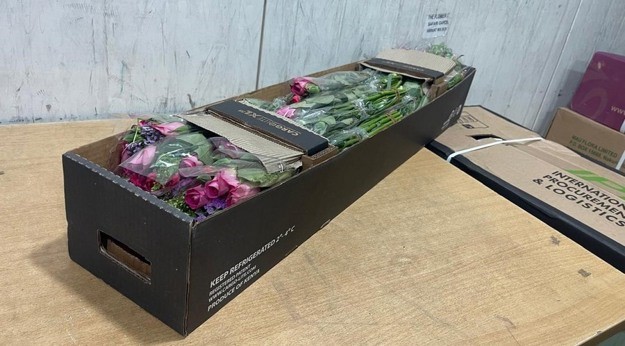
Behind every fresh bunch of roses landing in Amsterdam or a box of avocados reaching the European market lies a silent hero; packaging. It’s not just about wrapping products neatly; in Kenya’s export industry, packaging determines whether delicate flowers arrive vibrant or wilted, and whether fruits reach the shelves fresh or spoiled. Today, Kenya’s carton manufacturers are driving a quiet revolution, blending science, creativity, and sustainability to elevate the nation’s export standards.
Protecting Nature’s Fragile Gifts
Exporting fresh produce, especially flowers, fruits, and vegetables, poses enormous logistical challenges. These items are highly perishable, bruising easily and losing quality if mishandled. That’s where packaging comes in. Corrugated cartons, now a mainstay in the industry, are designed to absorb shocks, resist crushing, and protect against contamination during transit.
For flowers, the design has gone several steps further. Carton makers now incorporate moisture-retaining materials, internal dividers, and vented panels to ensure airflow and stability. These subtle but smart innovations mean that blooms harvested in Naivasha or Timau can travel thousands of kilometres and still arrive as fresh as the day they were cut.
Keeping It Fresh, From Farm to Market
Freshness is everything in export horticulture. Kenyan packaging experts have mastered the art of managing the “microclimate” inside each carton. Corrugated boxes, being naturally breathable, allow for controlled air circulation, preventing ethylene buildup, which can accelerate ripening or wilting.
Some local innovators are also experimenting with advanced technologies such as modified or controlled atmosphere packaging, where oxygen and carbon dioxide levels are adjusted to slow down the aging process. For sea freight consignments that take longer journeys, thicker paper grades and special coatings help maintain product integrity despite the humid, fluctuating conditions on board.
Innovation Born from Real-World Challenges
In recent years, Kenya’s carton manufacturers have been developing new solutions directly from grower feedback. One major breakthrough has been the introduction of pallet-sized “skidding boxes.” These are cartons built to the exact footprint of a standard pallet, allowing for products to be packed and palletized right at the farm instead of the airport.
The result? Less handling, reduced transit damage, and faster turnaround at logistics hubs. Growers report smoother shipping operations and lower labour costs. As one Naivasha exporter noted, “We’ve cut down time and traffic between the farm and the airport, and our flowers arrive in better condition.”
Each innovation is the product of collaborative problem-solving between carton engineers, designers, and farmers. The development cycle begins with a grower challenge, whether it’s reducing damage, improving moisture control, or lowering carbon emissions and ends with a tailored, practical solution.
The Art and Emotion of Presentation
Packaging also tells a story. For exporters of flowers, aesthetics matter just as much as function. A well-designed carton, complete with elegant graphics or a subtle hint of Kenyan identity, enhances the perceived value of the product. In the global flower trade, presentation influences not just pricing but also emotional appeal.
Kenya’s packaging firms understand this deeply. They have learned that cartons aren’t merely containers; they are part of the gifting experience. Every time a customer opens a flower box, the design, freshness, and scent combine to deliver a lasting impression, one that quietly reinforces Kenya’s reputation as a source of quality and beauty.
Efficiency Through Design
Efficiency is another hallmark of modern packaging. Lightweight, stackable cartons reduce freight costs while optimizing space in refrigerated trucks and air cargo. Clear labeling and handling symbols (“This Side Up,” “Fragile,” “Keep Cool”) ensure proper care throughout the supply chain.
Some manufacturers have gone further by integrating digital traceability tools such as barcodes or RFID tags, enabling exporters to track shipments in real time. This transparency not only boosts accountability but also helps growers respond swiftly to any transport or temperature deviations.
Sustainability: The New Frontier
As global markets tighten their sustainability standards, Kenya’s packaging industry is keeping pace. Most carton producers now prioritize eco-friendly materials; paper based, recyclable, and biodegradable over plastics. Many have reduced the use of metal staples by introducing self-locking corner systems, making the boxes lighter and easier to recycle.
Sustainability doesn’t stop at materials. By producing everything under one roof; design, printing, and testing Kenyan packaging companies cut transport emissions and shorten production timelines. It’s an approach that aligns perfectly with the environmental commitments of Kenya’s flower and produce exporters.
The future of packaging in Kenya’s horticultural export industry lies in constant innovation and collaboration. Local manufacturers continue to refine their carton designs to meet diverse needs across air and sea freight, ensuring that each solution balances durability, aesthetics, and environmental responsibility.
Packaging may not always get the spotlight, but in Kenya’s export success story, it is a quiet enabler of excellence protecting, preserving, and presenting the nation’s finest produce to the world.