
February 26, 2026
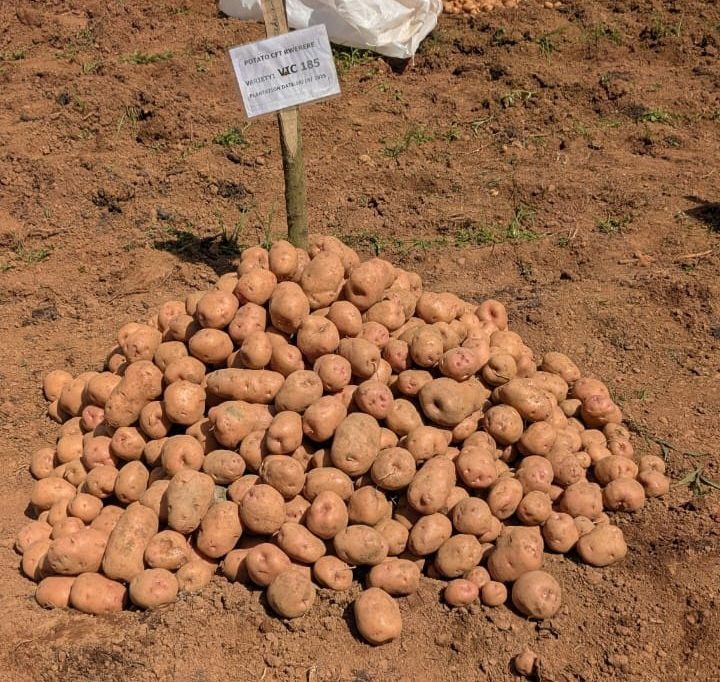
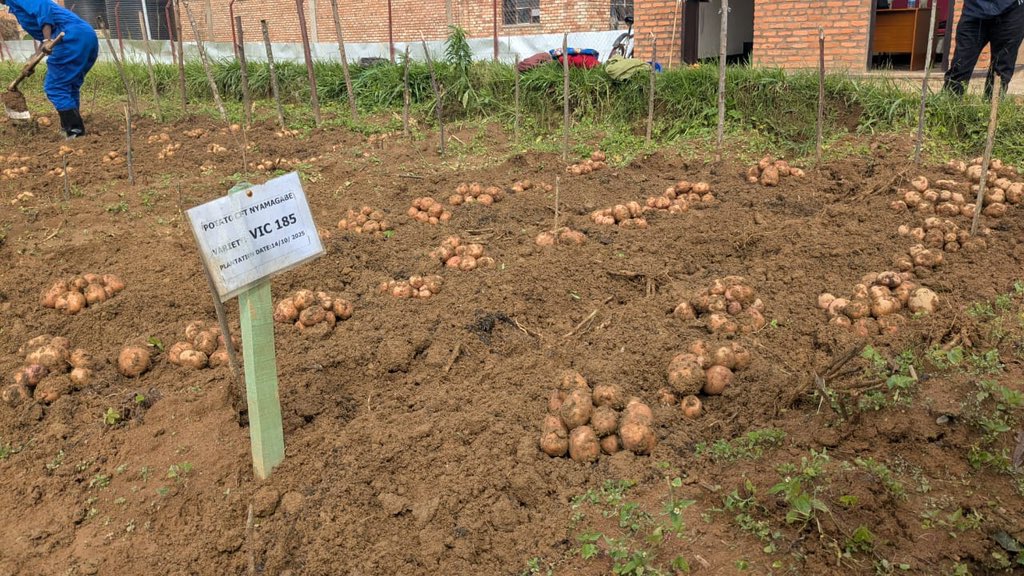
Rwanda’s push for resilient, high-performing crops took center stage last week as the Agriculture and Animal Resources Development Board (RAB) wrapped up a multi-site harvesting exercise for two breakthrough potato varieties: Ndamira (locally known as Shangi) and Victoria. Conducted across Kitabi, Musanze, Rwerere, and Tamira, the trials highlighted these varieties’ superior resistance to late blight, a devastating fungal disease that ravages potato fields across East Africa and their impressive yield potential.
Developed under the Rwanda Agri-Biotech Programme in collaboration with the African Agricultural Technology Foundation (AATF), Ndamira and Victoria represent a game-changer for smallholder farmers battling climate variability and disease pressures. Late blight, caused by Phytophthora infestans, has long plagued potato production, wiping out up to 70% of yields in severe outbreaks and costing African farmers millions annually. These new varieties, bred through advanced biotech interventions like gene editing and marker-assisted selection, demonstrated robust field resistance during the harvest assessments, even under humid conditions mimicking peak blight seasons.
At the Kitabi site in Rwanda’s Southern Province, evaluators noted Ndamira’s tubers averaging 45-50 tons per hectare, nearly double the national average of 25 tons for traditional varieties. “Shangi doesn’t just survive; it thrives,” said Dr. Beatrice Ishimwe, RAB’s lead agronomist on the project. “Harvests here showed uniform tuber size, deep red skins, and minimal hollow heart defects, making it ideal for both fresh markets and processing.” Musanze trials echoed these results, with Victoria yielding crisp, white-fleshed tubers suited for boiling and chipping, clocking in at 40-48 tons per hectare while shrugging off blight inoculum applied during trials.
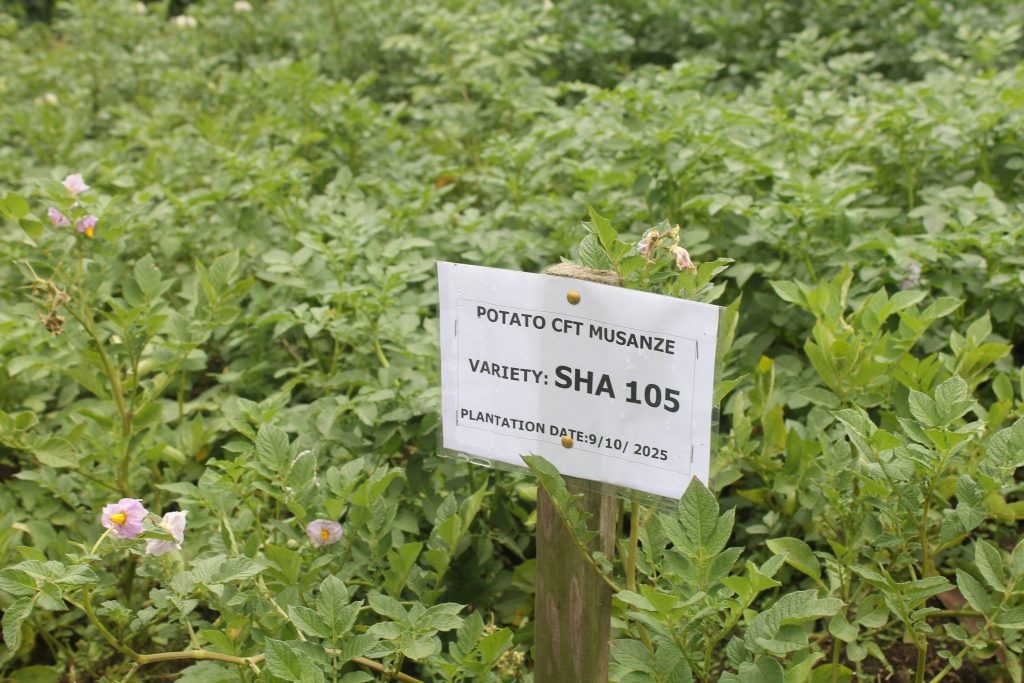
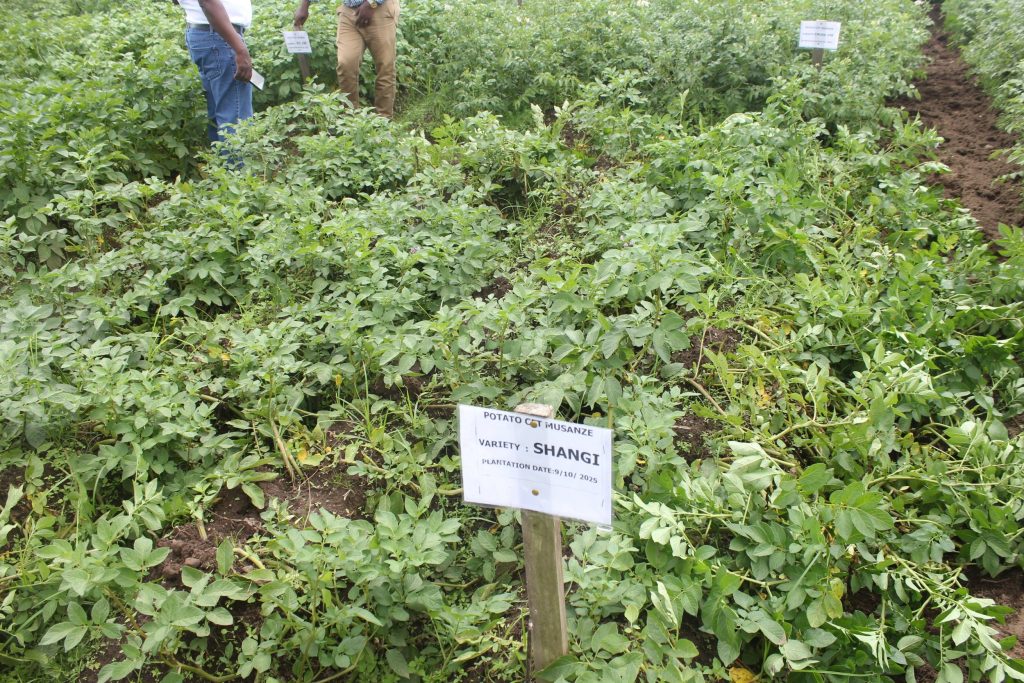
The Rwerere and Tamira sites, representing diverse agro-ecologies from highland volcanic soils to mid-altitude plains, further validated the varieties’ adaptability. Yields held steady at 42 tons per hectare on average, with disease incidence below 5%, a stark contrast to susceptible checks that lost over 50% of their crop. Farmers involved in the demos, numbering over 100, praised the low input needs: no heavy fungicide sprays required, slashing costs by up to 40% and aligning with Rwanda’s Vision 2050 sustainability goals.
This initiative builds on AATF’s broader biotech portfolio, which has already delivered drought-tolerant cassava and pod borer-resistant cowpeas to millions across Africa. In Rwanda, where potatoes anchor food security, covering 80,000 hectares and feeding 12 million people, these varieties could boost output by 30-50%, per RAB projections. “We’re not just growing potatoes; we’re fortifying food systems against shocks,” noted AATF’s East Africa Director, Dr. Margaret Karembu, during the harvest closeout.
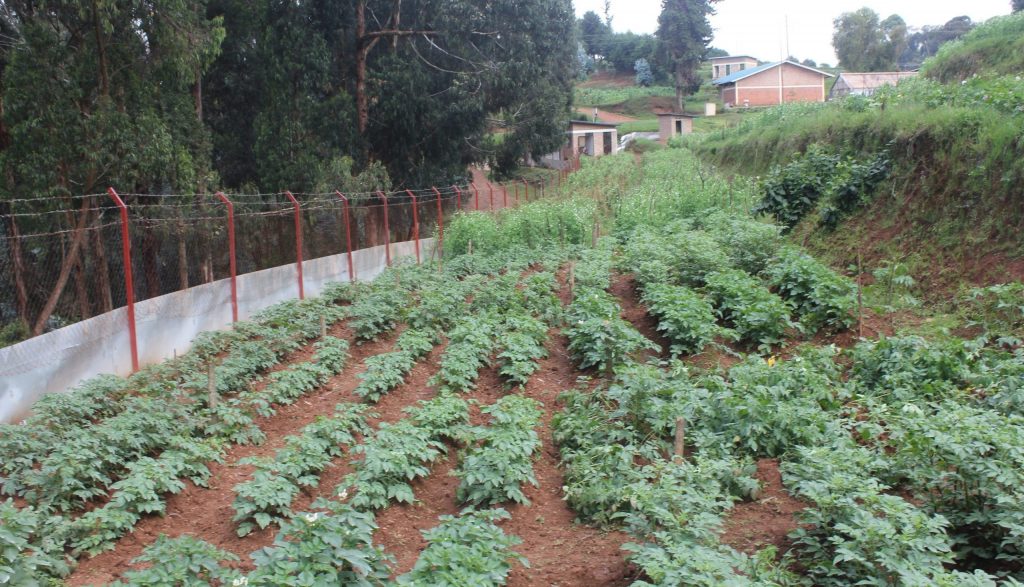
Implications ripple beyond borders. For East African trade hubs like Kenya, where potato imports from Rwanda hit 15,000 tons last year amid local shortages, these resilient strains promise stable supply chains. Certifications under regional standards like East African Community phytosanitary protocols are underway, potentially easing cross-border flows and curbing smuggling. Environmentally, reduced fungicide use cuts chemical runoff into Lake Kivu, supporting biodiversity in RAB’s integrated pest management push.
Scaling seed multiplication to reach 10,000 farmers by 2027 requires ramped-up clean seed systems. RAB plans decentralized multiplication plots and farmer training via 50 demo sites this season. “Adoption hinges on affordability and access,” Ishimwe emphasized.