
14: 05: 2026
Flowers have long been woven into the world’s most cherished celebrations, marking life’s biggest moments with colour, emotion and meaning. From Valentine’s Day, International Women’s Day, Mother’s Day, Father’s Day, Easter, Christmas, and New Year celebrations, to weddings, anniversaries, graduations, birthdays, and memorial occasions, flowers remain one of the most universal expressions of love, appreciation, remembrance and human connection.
Across the globe, flowers are central to how people celebrate milestones, honour relationships, offer comfort during grief, and bring beauty into homes and public spaces during festive seasons. Their significance cuts across cultures and continents, making floriculture one of the most important sectors in international agricultural trade.
At the centre of this global flower trade is the Netherlands, which remains the world’s leading flower trading hub and a key gateway for flowers destined for European and international markets. What happens in the Dutch floriculture sector often has ripple effects across the entire global supply chain, influencing pricing, demand patterns and production decisions in flower-exporting countries such as Kenya, Ethiopia, Colombia and Ecuador.
Research consistently shows that flowers positively affect emotional wellbeing. Receiving flowers has been linked to increased happiness, reduced stress, and stronger feelings of social connection. Whether gifted on Valentine’s Day as a symbol of romance, presented on International Women’s Day to celebrate achievement, offered during Mother’s and Father’s Day as expressions of gratitude, or used to decorate homes during Christmas and Easter festivities, flowers carry emotional significance that transcends borders.
However, this longstanding tradition could soon become more expensive.
The Dutch floriculture sector is facing mounting pressure due to a proposed VAT increase from 9% to 21%, a move that could significantly raise flower and plant prices for consumers. For an industry already battling soaring energy costs, water expenses, transport and logistics disruptions, and growing investment demands for sustainability compliance, the tax increase adds yet another layer of financial strain.
These challenges are unfolding at a particularly sensitive time for global floriculture. Producers are already grappling with higher labour costs, increased packaging expenses, volatile freight charges, climate-related production risks, and substantial investments required to meet stricter environmental and carbon reduction targets.
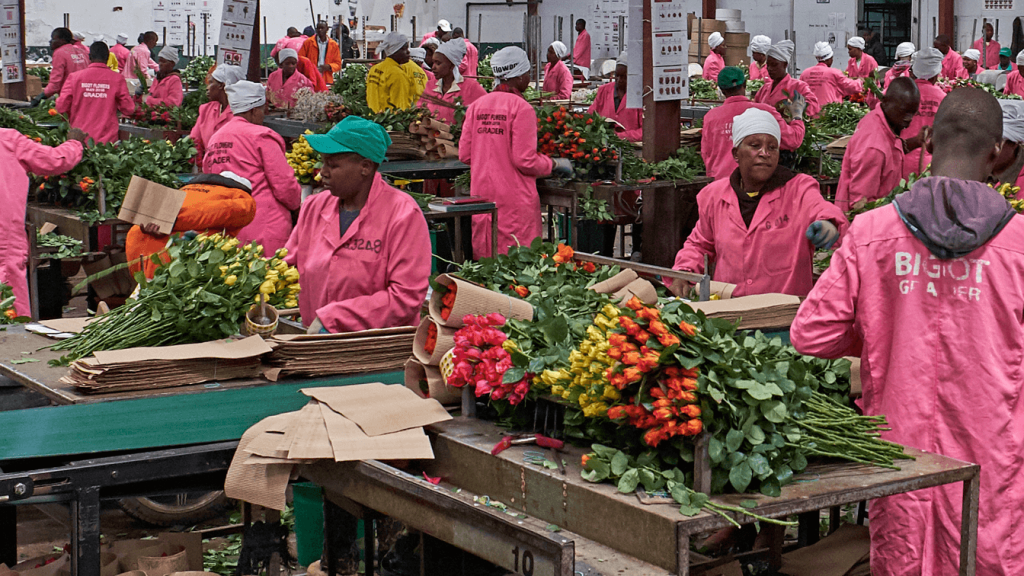
For flower-exporting nations like Kenya, such developments in Europe matter greatly. As Europe remains a key destination for fresh-cut flowers, any reduction in consumer demand caused by rising retail prices could impact volumes, revenues and long-term market stability.
Industry stakeholders warn that if flowers become significantly more expensive, consumers may cut back on purchases during key celebrations, affecting growers’ ability to reinvest in innovation, sustainability and future production capacity.
The message for the global floriculture sector is clear: flowers are not simply decorative products; they are an essential part of life’s celebrations and emotional connections.
Ensuring they remain affordable for every Valentine’s bouquet, Women’s Day tribute, wedding arrangement, Christmas centrepiece and remembrance wreath will be critical to preserving one of the world’s most meaningful traditions.