
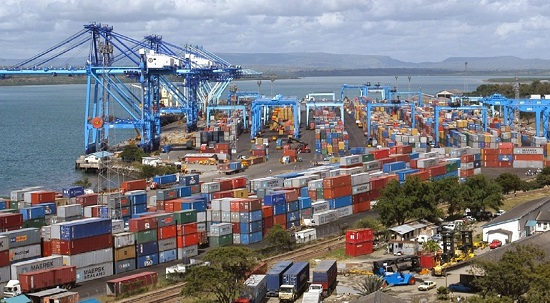
Exporters using the Port of Mombasa are set to benefit from a more structured and time-sensitive cargo handling system following the introduction of designated export gates and an extended container acceptance window.
In a customer notice issued on March 16, 2025, the Kenya Ports Authority (KPA) outlined new measures aimed at enhancing operational efficiency and facilitating the seamless movement of export cargo through the port East Africa’s primary trade gateway.
Under the revised framework, specific gates and lanes have now been allocated based on cargo type. General export containers will be processed through Gate 24, Lane 23A and Gate 9A, which handles both dry and reefer cargo. Meanwhile, Gate 24, Lane 23B has been exclusively reserved for refrigerated (reefer) containers, a move expected to streamline handling of perishable exports such as fresh produce and cut flowers.
In a significant shift designed to improve vessel turnaround times and cargo flow, the Port of Mombasa will now begin accepting export containers 24 hours upon vessel berthing. This development is particularly crucial for time-sensitive exports, offering growers and exporters greater predictability and reduced risk of delays.
KPA is urging all stakeholders including exporters, transporters, clearing agents and forwarding companies, to strictly adhere to the newly designated gates and lanes. The authority notes that compliance will be key to achieving orderly, safe and efficient export cargo operations.
For Kenya’s horticulture sector, which relies heavily on cold chain integrity and timely shipments to international markets, the dedicated reefer lane and extended acceptance window signal a positive step toward improved logistics performance.
As global markets become increasingly sensitive to quality, timing and traceability, such operational refinements at the port level are likely to enhance Kenya’s competitiveness particularly in high-value export segments like flowers, fruits and vegetables.
The directive underscores a broader push by port authorities to modernise cargo handling systems and respond to the evolving demands of international trade.