

The 10th edition of the International Floriculture and Horticulture Trade Fair (Hortiflora Expo) has officially opened in Addis Ababa, bringing together the global horticulture industry at a time when Ethiopia is intensifying efforts to scale up exports, diversify production, and solidify its position as a leading
supplier of high value agricultural products.
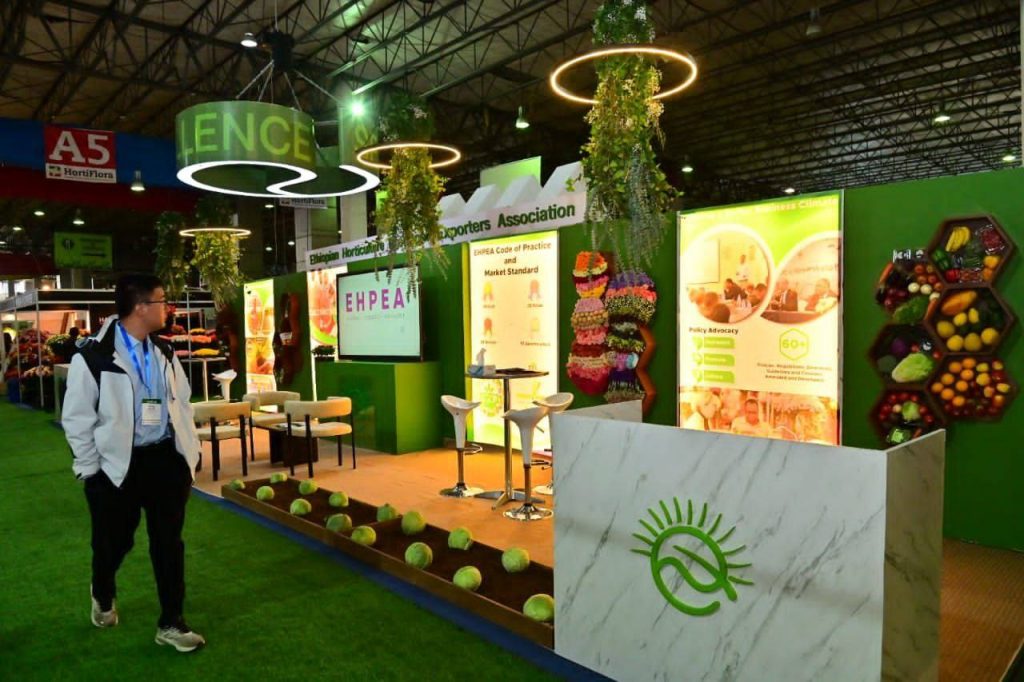
Held at the Addis International Convention Center, the three day event has attracted more than 150 exhibitors and participants from over 50 countries, including producers, exporters, breeders, seed companies, buyers, logistics firms, financial institutions, policymakers, and researchers. The expo is jointly organised by the Ethiopian Horticulture Producer Exporters Association (EHPEA) and HPP Worldwide.
A Sector Driving Foreign Exchange and Jobs
Opening the event, Agriculture State Minister Sofia Kassa underscored the central role of horticulture in Ethiopia’s economic transformation. She noted that the sector has positioned the country among the world’s leading cut flower producers, generating between USD 500 million and 600 million annually and ranking as Africa’s second-largest exporter.
“Horticulture has become a major source of foreign exchange earnings, contributing significantly to national export revenue,” Kassa said. “It also provides employment opportunities to hundreds of thousands of Ethiopians, supporting poverty reduction, livelihood improvement, and inclusive development.”
The industry currently employs around 200,000 people, predominantly women and youth—making it one of the most socially impactful export sectors in the country.
In the last fiscal year ending July 2025, Ethiopia’s horticulture sector generated approximately USD 565 million, with flowers accounting for nearly 80 percent of total earnings. This makes horticulture the second-largest foreign exchange earner in agriculture after coffee.
Untapped Potential Beyond Flowers
Despite the strong performance in floriculture, the government is now turning its attention to underdeveloped segments such as fruits, vegetables, herbs, and hybrid seeds.
Kassa emphasized that Ethiopia’s horticultural exports remain far below their full potential, calling for increased investment and innovation to expand production and boost export revenues across a broader product base.
The push comes as part of wider agricultural reforms focused on modernization, irrigation expansion, food system transformation, and import substitution. Agriculture continues to anchor Ethiopia’s economy, contributing about 32 percent of GDP.
Policy Reforms and Global Partnerships
Industry leaders point to ongoing policy, regulatory, and institutional reforms as key enablers of future growth. These measures are designed to attract both domestic and foreign investment while strengthening the competitiveness of Ethiopian exports.
EHPEA Chairman Nega Mequanint highlighted the sector’s resilience and upward trajectory.
“Over the past years, Ethiopia’s hortiflora sector has demonstrated adaptability and strong performance, positioning the country as a competitive and reliable player in the global market,” he said.
International partnerships remain central to this growth. Netherlands Ambassador to Ethiopia, Christine Pirenne, noted that Dutch investors have played a pivotal role in the early development of Ethiopia’s floriculture industry through technology transfer, expertise, and long-term investment
Today, around 100 Dutch companies are active in Ethiopia across various sectors, including horticulture further reinforcing the country’s global integration.
A Trade Fair Built for Real Business
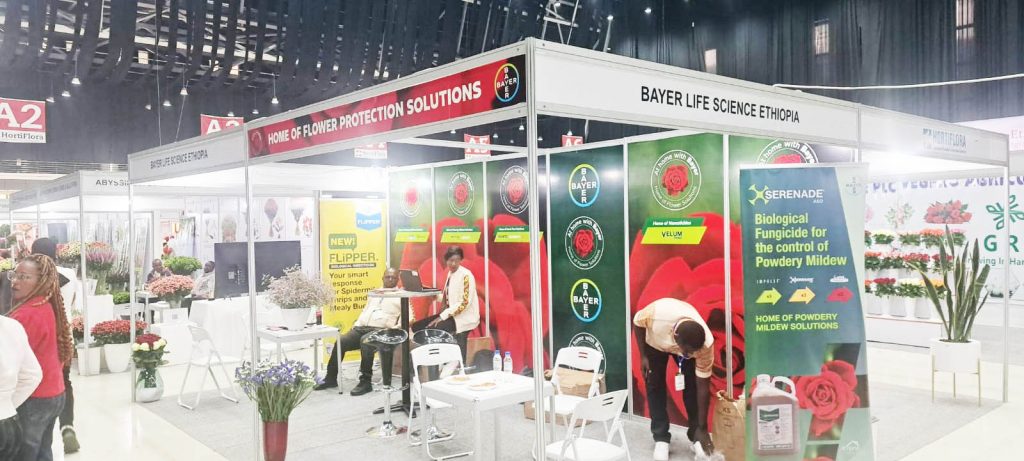
More than just an exhibition, Hortiflora Expo is structured as a high impact business platform designed to facilitate meaningful engagement across the value chain. The event features dedicated business-to-business (B2B), business-to-consumer (B2C), and business-to-government (B2G) matchmaking sessions.
This format enables Ethiopian growers and exporters who have built strong capabilities in roses and are expanding into new product categories, to connect directly with global buyers, wholesalers, retailers, and floral brands from Europe, the Middle East, Asia, and the Americas.
For participants, the expo offers opportunities not only to secure deals and partnerships but also to exchange technical knowledge on areas such as post harvest handling, pest management, new varieties, logistics solutions, and data driven farming.
Addressing the Future of Horticulture
Alongside the exhibition, the expo is hosting a series of high level forums and panel discussions tackling the most pressing issues shaping the future of horticulture.
Key themes include global market trends, sustainable finance, climate resilience, logistics and sea freight challenges, food safety, consumer behaviour, and the role of emerging technologies such as artificial intelligence. Other sessions explore circular economy solutions and the critical intersection of gender and sustainability within agricultural value chains.
The strong focus on eco-friendly cultivation practices and sustainability reflects shifting global market expectations, particularly among European buyers who continue to demand higher environmental and social compliance standards.
Positioning Ethiopia as a Global Hub
As momentum builds, Hortiflora Expo 2026 is being seen as both a celebration of Ethiopia’s achievements and a strategic platform to drive the next phase of growth.
With a solid foundation in floriculture, expanding policy support, and increasing global partnerships, Ethiopia is positioning itself not just as a flower powerhouse, but as a diversified horticulture hub capable of supplying a wide range of high value products to international markets.
For industry stakeholders, the message from Addis Ababa is clear: Ethiopia’s horticulture sector is evolving and it is open for business.