
07: 05: 2026
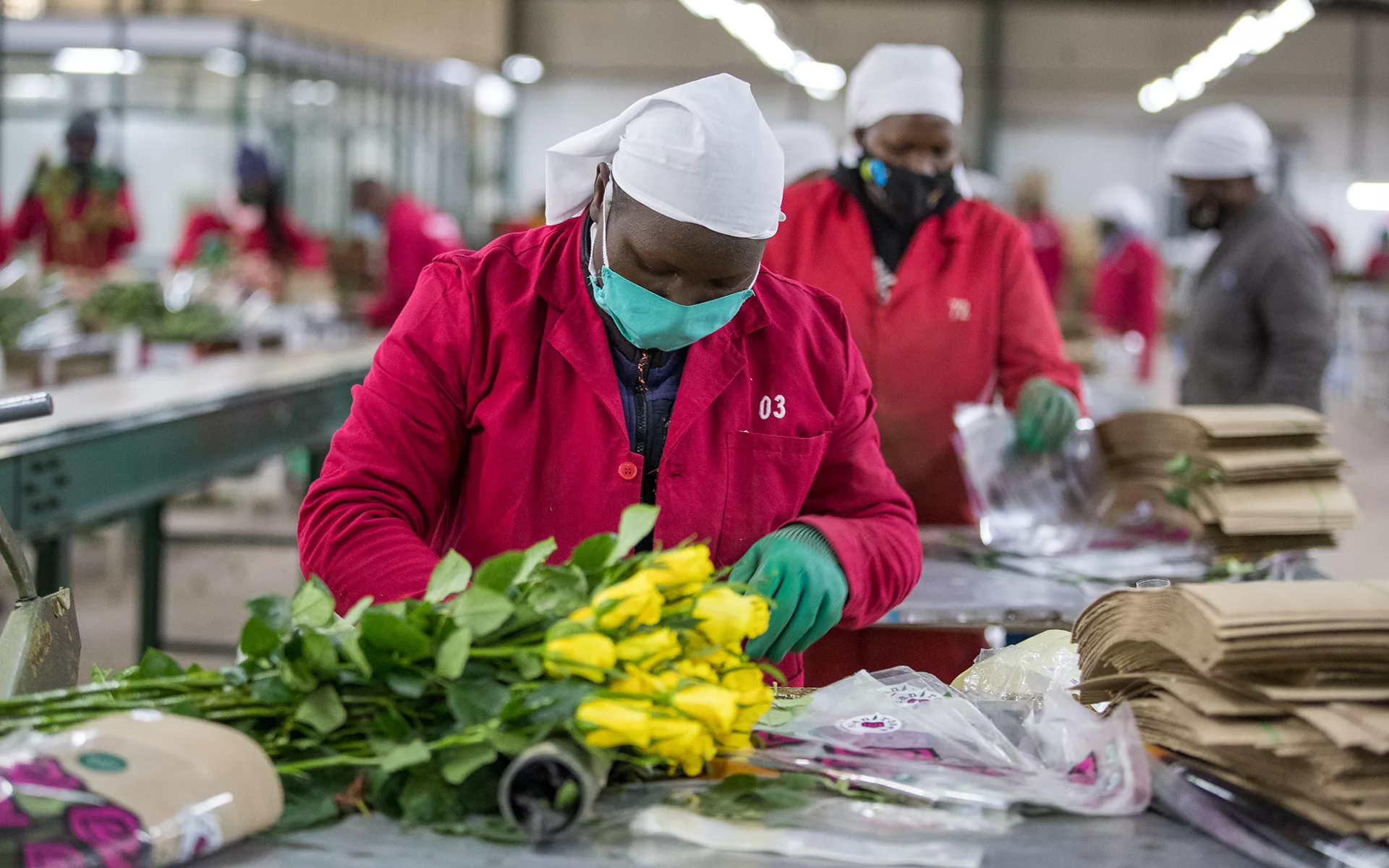
The global cut flowers industry is entering a decisive growth phase, shaped by shifting production geographies, rising consumer demand, and evolving distribution channels. According to the Global Cut Flowers Market: Industry Dynamics, Market Size, and Opportunity Forecast to 2035 report released in March 2026 by Astute Analytica, the sector is being redefined by structural demand growth and increasingly sophisticated supply chains. As the report by Astute Analytica notes, global trade dynamics and logistics efficiency will play a central role in determining competitiveness over the next decade.
For Kenyan investors, this is not just another global outlook. It is a roadmap pointing directly at Africa’s expanding role in floriculture.
Demand Growth Outpacing Supply
One of the most critical insights from the research is that global demand for cut flowers is growing faster than supply. Consumption is expanding at an estimated 5 to 7 percent annually, slightly ahead of production growth of about 4 to 6 percent.
This imbalance is significant. It signals a sustained opportunity for exporting countries like Kenya to capture additional market share, particularly in high demand regions such as Europe, North America, and parts of Asia. The growth is being driven by urbanisation, rising disposable incomes, and a global gifting culture that continues to deepen across both developed and emerging markets.
Flowers are no longer reserved for special occasions. Everyday consumption, corporate events, hospitality, and lifestyle spending are now key demand drivers. This shift is expanding the market beyond traditional peaks such as Valentine’s Day and Mother’s Day.
Kenya’s Strategic Position Strengthens
The report highlights a clear geographic shift in production towards equatorial regions, including Kenya, Ethiopia, Colombia, and Ecuador.
This is not accidental. These regions offer favourable climates, lower production costs, and the ability to supply consistent quality throughout the year. Kenya, already a leading exporter to Europe, stands to benefit further as global buyers continue to diversify sourcing away from high cost production regions.
For investors, this reinforces Kenya’s long term competitiveness. However, maintaining this advantage will depend on continued investment in greenhouse technologies, irrigation efficiency, and sustainable farming practices.
The Power of Events, Gifting, and Lifestyle
A major growth driver identified in the report is the expanding global events and gifting economy. Weddings, corporate functions, religious ceremonies, and destination events are fueling steady and predictable demand.
In addition, the professionalisation of the events industry and the rise of experiential spending are pushing demand towards premium flowers. This is particularly relevant for Kenyan growers who have traditionally focused on high quality roses and summer flowers.
Investors should take note of this premiumisation trend. Margins are increasingly shifting towards quality, variety, and branding rather than just volume.
Ecommerce is Reshaping the Market
Another major transformation is the rapid growth of digital commerce in floriculture. Online flower delivery platforms and same day logistics are expanding the customer base and increasing purchase frequency.
This trend is unlocking new demand segments, especially in urban areas and younger consumer groups. It also reduces reliance on traditional wholesale and auction systems.
For Kenyan exporters, this creates both an opportunity and a challenge. While digital platforms can open new routes to market, they also demand faster logistics, better packaging, and stronger integration with global distribution networks.
Cold Chain and Logistics as Competitive Advantage
The report makes it clear that logistics, particularly cold chain infrastructure, is becoming the defining competitive factor in the industry.
Flowers are highly perishable, and maintaining quality from farm to consumer is critical. Countries that invest in efficient air freight capacity, temperature controlled storage, and seamless export systems will dominate global trade.
Kenya already has a strong logistics ecosystem centered around Nairobi’s air cargo network. However, increasing global competition means continuous upgrades will be necessary to retain this edge.
Market Structure and Competitive Landscape
The global cut flower market remains highly fragmented, with a mix of breeders, large scale growers, exporters, and distributors. Key players range from genetic companies like Dümmen Orange and Syngenta Flowers to major growers such as Oserian and Flamingo Horticulture.
Competition is intense, driven by price sensitivity, perishability, and the need for constant innovation. At the same time, barriers to entry at the international level remain relatively high due to capital requirements and compliance standards.
For Kenyan investors, this means scale, efficiency, and partnerships across the value chain will be essential for long term success.
The Opportunity to 2035
Looking ahead to 2035, the global cut flowers market presents a compelling growth story. Demand expansion, digital transformation, and supply chain evolution are converging to create new opportunities across the value chain.
For Kenya, the opportunity lies in moving beyond volume driven exports to a more integrated model focused on value addition, branding, and direct market access. Investments in sustainability, certification, and innovation will also be critical as global buyers increasingly prioritise environmentally responsible sourcing.
In simple terms, the future of floriculture will not just be about growing flowers. It will be about delivering quality, consistency, and experience across a global marketplace.
For those willing to invest strategically, Kenya remains firmly at the heart of that future.