
23: 04: 2026
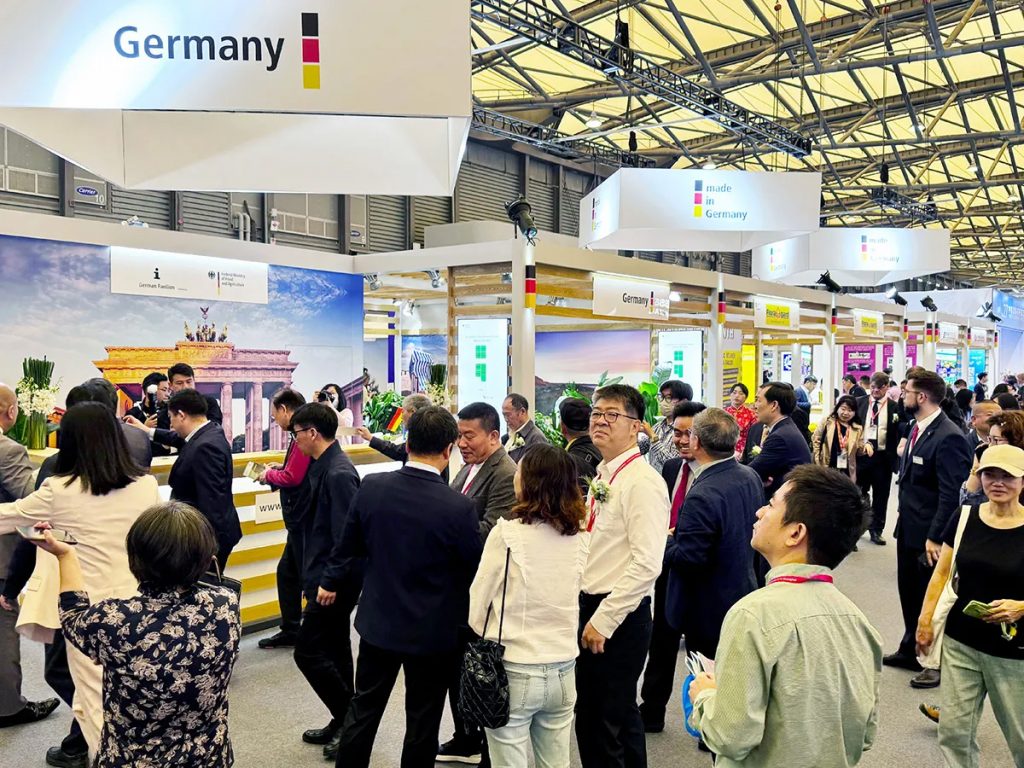
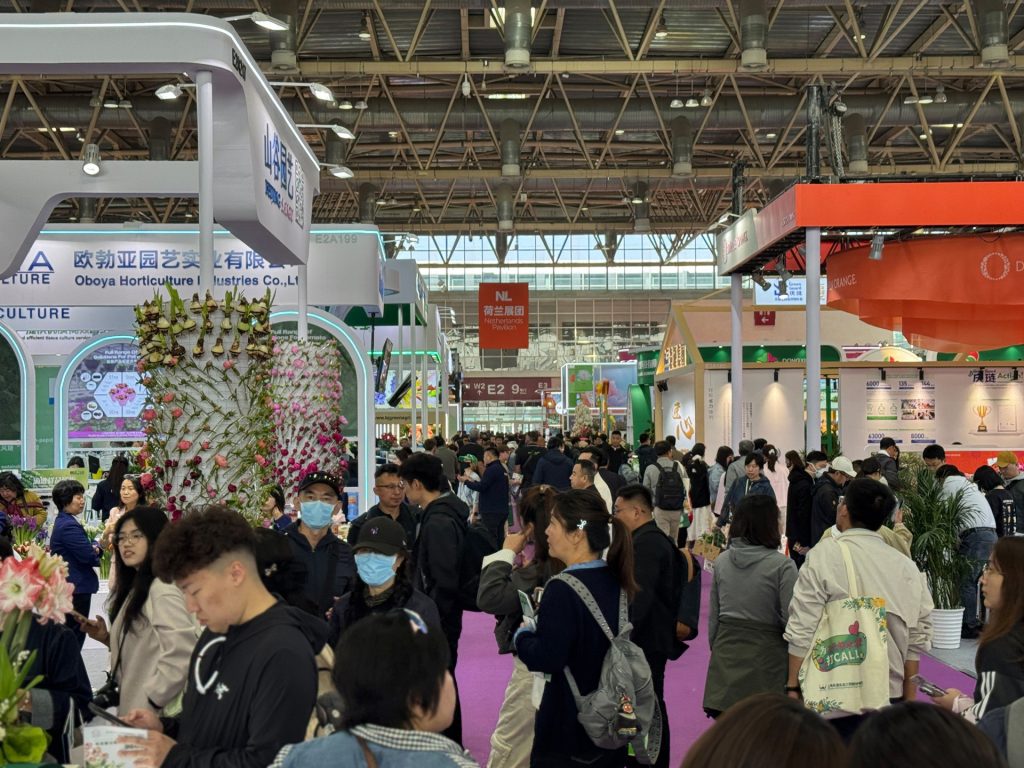
From 10–12 April 2026, the China International Exhibition Center (Shunyi) in Beijing once again positioned itself at the heart of global horticulture as Hortiflorexpo IPM Beijing brought together the international green sector in one of Asia’s most influential trade platforms.
Spanning approximately 50,000 square metres across three halls, the exhibition hosted around 700–800 exhibitors from up to 30 countries and regions, reflecting its growing international footprint. Key participating countries included Germany, the Netherlands, Finland, India, Sri Lanka and Latvia, alongside a strong and expanding domestic presence. Official national pavilions, particularly from Germany and the Netherlands, strengthened international visibility and reinforced the event’s role as a strategic gateway between Europe and Asia’s fast-growing horticultural markets.
Organised by the China Flower Association in collaboration with Messe Essen, the fair continues to link China’s rapidly modernising floriculture sector with established global production and technology ecosystems, including IPM ESSEN in Germany. This connection positions the Beijing event not only as a trade exhibition, but as part of a wider international horticultural network driving innovation, exchange, and commercial expansion.
A market shifting from scale to sophistication
China’s floriculture industry is undergoing a structural transformation, shaped by rising consumer expectations and a shift from volume-based production to quality-driven development. As disposable incomes grow and lifestyle preferences evolve, flowers are increasingly becoming part of everyday life rather than occasional purchases.
Industry perspectives shared during the event highlighted this transition clearly: flower consumption is expanding from visual enjoyment into emotional expression and lifestyle integration. This shift is accelerating demand for higher-quality plant material, improved post-harvest systems, and more differentiated horticultural products.
Producers and suppliers are responding with increased investment in modern greenhouse systems, advanced breeding techniques, and precision horticulture technologies. Innovations ranging from molecular breeding to smart production environments are redefining efficiency and consistency across the supply chain.
Technology, innovation and digital trade integration
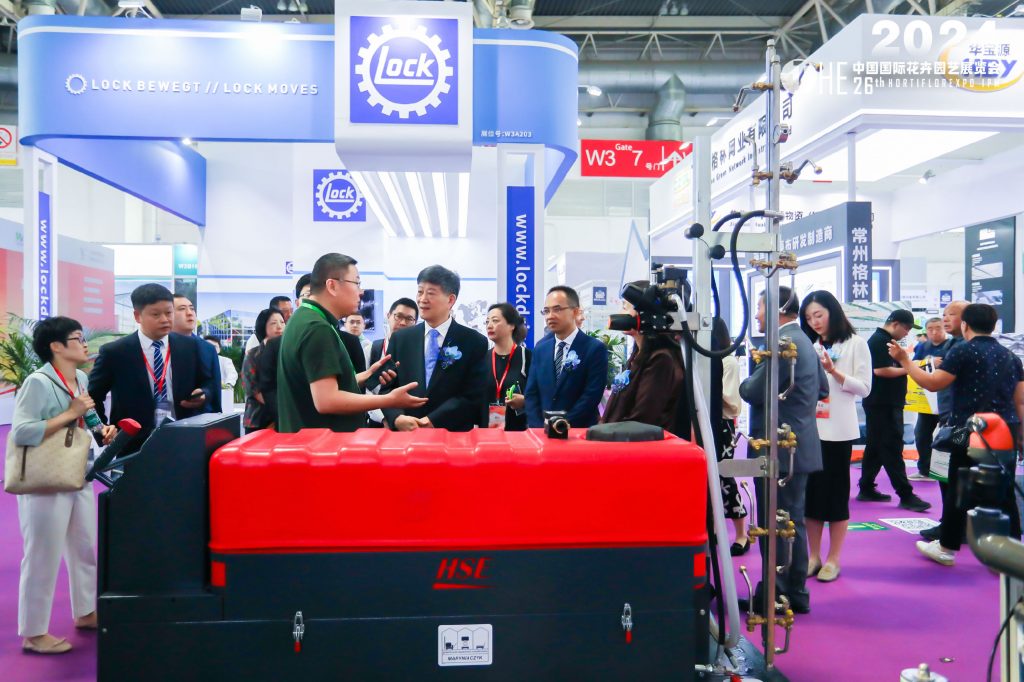
A key feature of Hortiflorexpo IPM Beijing 2026 was the strong focus on technological advancement and digital transformation. Exhibitors and industry stakeholders explored developments in greenhouse automation, seed innovation, and modern production systems designed to improve efficiency and sustainability.
At the same time, digital commerce has become central to market engagement. Exhibitors increasingly leveraged livestreaming platforms and short-video ecosystems to reach buyers in real time, blending physical exhibition with digital marketing. This hybrid approach is reshaping how horticultural products are showcased, sold and distributed, significantly expanding market reach beyond the exhibition floor.
A growing knowledge and innovation hub
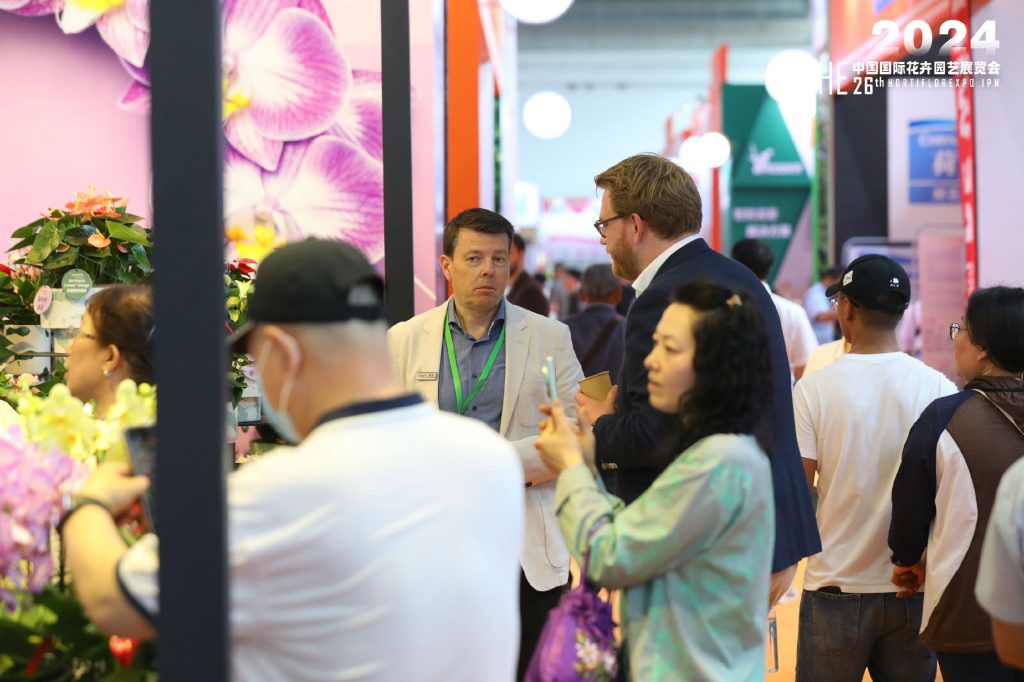
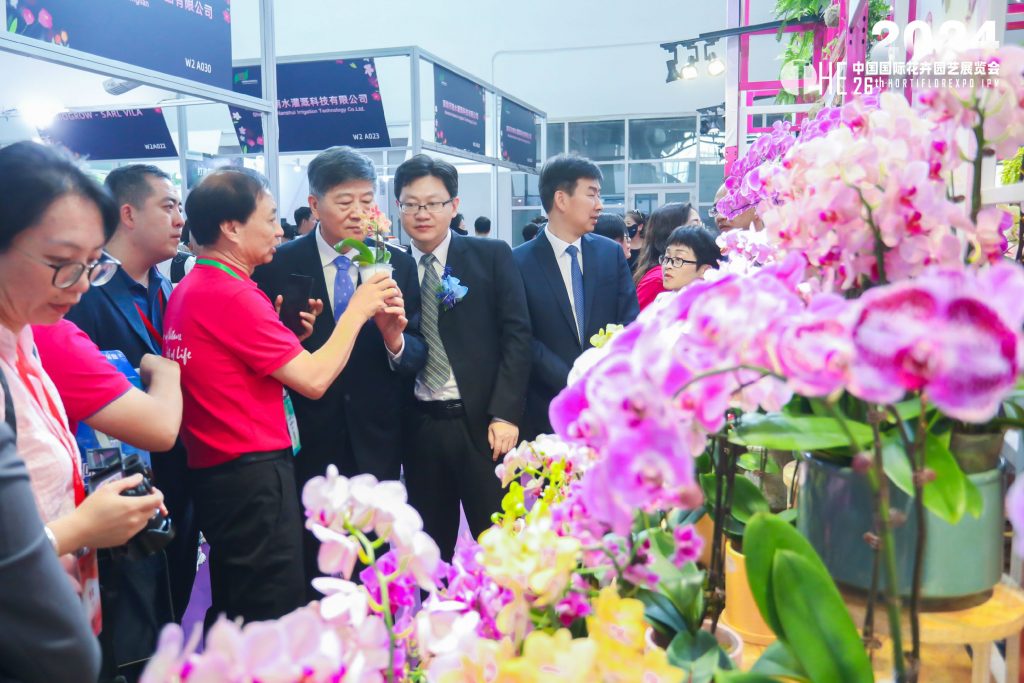
Beyond commercial exchange, the exhibition has evolved into a critical knowledge-sharing platform for the global horticultural community. Expert forums and technical conferences addressed key themes including e-commerce integration, advanced production systems, new plant varieties, and evolving landscape and garden design trends.
International dialogue remains a core strength of the event, with structured exchange formats strengthening collaboration between Chinese and European horticultural sectors. These interactions continue to accelerate the transfer of technology and expertise into large-scale commercial production systems.
A standout feature of the programme was the integrated floristry showcase, which highlighted contemporary floral design concepts and emerging creative trends, offering practical inspiration for designers, breeders, and producers alike.
An industry moving toward innovation-led growth
A defining narrative of Hortiflorexpo IPM Beijing 2026 is the increasing confidence and capability of China’s domestic horticultural industry. The sector is progressively transitioning from imitation-based development to independent innovation, with growing emphasis on research, technology integration, and productivity enhancement.
The shift is also visible in how companies present themselves at the fair—moving from product display to productivity demonstration, and from labour-intensive production models to technology-driven systems.
A platform shaping global horticulture
With its expanding scale, deepening international participation, and strong focus on innovation, Hortiflorexpo IPM Beijing 2026 has reinforced its position as a key global horticultural trade hub. It is not only reflecting the evolution of China’s floriculture sector but actively influencing how horticulture is produced, traded, and consumed across international markets.
As global demand patterns shift and production systems become more technology-led, the Beijing exhibition continues to serve as a critical meeting point where ideas, innovation, and market opportunity converge—signalling an industry firmly moving toward a more connected, digital, and innovation-driven future.