
09: 04: 2026
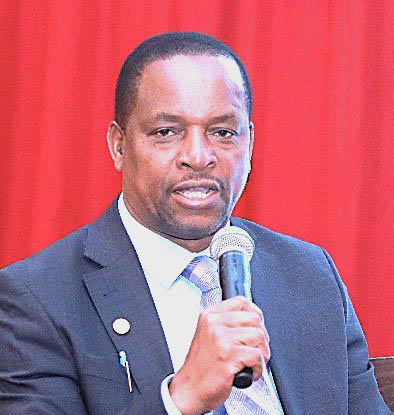
Briefly introduce the KEPHIS JKIA office and its role within the overall mandate?
Jomo Kenyatta International Airport regional office was initially a Fresh Produce Inspection Unit in the Ministry of Agriculture, Horticulture Division up to 1997 and was involved in export certification. Import inspection division was handled under KARI presently KARLO. In 1998 Plant Inspection Unit was established by merging Imports and exports inspections under KEPHIS and named JKIA Juma Lugogo Plant Inspection
Unit. The KEPHIS JKIA Regional Office, strategically located at Jomo Kenyatta International Airport (JKIA), serves as a critical gateway for Kenya’s agricultural trade. Established to support the growing volume of horticultural exports and imports through air transport, the office has evolved into one of the busiest and most vital operational stations within KEPHIS.
The office undertakes seed field inspection, post certification survey, nursery certification inspection, grading and certification of plants, plant products, and regulated articles for both import and export. It ensures that all consignments comply with national, regional, and international phytosanitary requirements, preventing the introduction and spread of pests and diseases.
Beyond the inspection services at the airport, the regional office’s jurisdiction covers Nairobi, Kiambu, parts of Murang’a, Machakos, Makueni, Kajiado and Kitui counties, supporting a wide network of producers, exporters, and importers within these key agricultural zones.
How does the office ensure efficiency in inspection and clearance processes?
JKIA office inspects and certifies over 1500 consignments translating to more than 600 tons of fresh produce for export daily and the half the same for imports. Therefore, efficiency and precision are key factors for continued support of safe trade facilitation and safeguarding Kenya against harmful plant pests. JKIA works through streamlined workflows, risk-based inspection approaches, and coordinated operations with stakeholders and other KEPHIS offices located at major production zones. Pre-export and pre arrival documentation review and dedicated inspection zones help reduce delays. Additionally, continuous staff capacity building ensures adherence to best practices and rapid decision-making.
How is technology being used to enhance inspection, tracking, and clearance processes at JKIA?
Technology plays a central role in enhancing service delivery at JKIA. The use of KEPHIS’ Integrated Export and Import Certification System (IEICS) has significantly improved efficiency in application processing, certification, and data management.
Electronic phytosanitary certification (ePhyto) facilitates secure and real-time exchange of certificates with trading partners, reducing paperwork and fraud risks. Digital tracking systems and data analytics also support risk profiling, enabling targeted inspections and faster clearance of compliant consignments.
How do you collaborate with other agencies at JKIA?
The JKIA office works closely with key government agencies including Kenya Revenue Authority (KRA), Kenya Airports Authority (KAA), Port Health Services, and security agencies to ensure seamless cargo clearance.
JKIA office is a member of the Border Management Committee whose membership comprises all the government agencies with intervening mandate at the airport. Additionally, KEPHIS JKIA participates in the Multi Agency Team operations such as joint inspections, information sharing, and participation in multi-agency forums. The office contributes to a coordinated border management system that enhances efficiency while maintaining regulatory compliance.
What measures are in place to ensure compliance with international Phytosanitary standards?
The office enforces strict adheres to international standards under the International Plant Protection Convention (IPPC) by the traders and staff members. Inspection protocols are aligned with established phytosanitary measures, including pest risk analysis, sampling procedures, and treatment requirements. Regular training of inspectors, internal audits, and updates on importing country requirements ensure that exports meet destination country standards, safeguarding Kenya’s market access.
How does the office respond to interceptions of high-risk pests or emergency Phytosanitary threats?
JKIA office works closely with the Plant Quarantine and Biosecurity Station (PQBS) and the other KEPHIS diagnostic laboratories. In cases of high-risk pest interceptions or suspected phytosanitary threats, the office activates established emergency response protocols. This includes immediate quarantine measures, laboratory analysis, and notification of relevant authorities.
Corrective actions such as treatment, re-export, or destruction of consignments are undertaken as necessary. The office also strengthens surveillance and stakeholder advisories to prevent recurrence.
What initiatives have been implemented to improve customer service?
The JKIA office has implemented several customer-focused initiatives, including digital service platforms, clear service charters, and dedicated customer support desks. Inspections and issuance of certificates are done at the designated warehouses to reduce customer movement, crowding at the central office and to maintain cool chain. Inspectors are organized into groups with team leaders to ensure quick response and interventions whenever a need arises. Stakeholder engagement forums and feedback mechanisms allow continuous improvement of services.
What efforts are in place to educate importers, exporters, and the public on Phytosanitary requirements?
The office regularly conducts training and capacity building programs targeting exporters, importers, and the general public. These include training workshops, stakeholder meetings, and dissemination of guidelines on phytosanitary requirements.
Collaboration with county governments and industry associations ensures that stakeholders within the region are well-informed and compliant with regulations. Phytosanitary requirements are also updated regularly to inform the public on emerging and new developments with the destination markets.
What are the main challenges faced at the JKIA station, and what strategies or interventions have been implemented to address them?
Key challenges at JKIA include the evolving destination market requirements which calls for quick implementation of compliance mechanism by the growers, evolving pests risks, high cargo volumes, the need for rapid clearance of perishable goods and inadequate awareness on pests risks by passengers and other actors operating across the borders. Infrastructure constraints and varying levels of stakeholder compliance also pose challenges.
To address these challenges, the office understands that information and knowledge sharing remains the most significant approach towards risk mitigation. The office has therefore done stakeholder mapping and strengthened stakeholder sensitization and consultation, adopted risk-based inspections, and leveraged technology to improve efficiency. Continuous engagement with partners also helps address operational bottlenecks.
How does the office align with KEPHIS’ broader strategic goals?
The JKIA Regional Office plays a central role in advancing KEPHIS’ strategic objectives of facilitating safe trade, protecting plant health, and enhancing market access.
JKIA office is the last line of defense for exports, therefore export consignments are thoroughly inspected in accordance with the established protocols and procedures to ensure only compliant material proceeds for exports. Conversely, the office is the first line of defense for incoming materials. Only authorized materials whose risk has been determined and appropriate measures are in place is allowed entry into the country. By ensuring compliance with phytosanitary standards and supporting exporters, the office contributes to national goals of increasing agricultural exports and strengthening food security.
What partnerships or collaborations have strengthened operations at JKIA?
Internal collaboration within KEPHIS departments and units including supplies, finance, transport, legal, audit, projects, and regional offices have greatly contributed to strengthening operations at JKIA. External collaborations and partnerships includes county governments, government agencies, business member organizations (BMOS) such as Kenya Flower Council, (KFC) Fresh Produce Exporters Association of Kenya (FPEAK) , Fresh Produce Consortium (FPC), Avocado Society of Kenya (ASOK), exporters, importers and freight agencies among others
Collaboration with airlines, freight handlers, and exporters ensures efficient logistics, while engagement with international bodies supports capacity building and adoption of global best practices.
Any memorable experiences or success stories from the field?
I have been in KEPHIS since its inception and in particular at JKIA where inspections were done between 1400 hours and by 1600 hours’ inspections and issuance of certificates was over. Additionally, all processes were manually done and inspectors did not have clear understanding of the SPS measures they were implementing. The growth from a two (2) hour manual operation into a 24-hour automated service coupled with a pool of experts knowledgeable on phytosanitary measures handling over 600 tons of fresh produce is a success story.
I also recall the time inspectors were instructed to start manning passenger terminal. There was no office and no formal introduction which meant working at a very hostile environment. The baggage hall and the passengers belonged to others and therefore presence of KEPHIS was not welcome at all. However, through sheer grit and resilience the inspectors held their ground, they made inroads and friends. Today KEPHIS presence at the passenger terminal and the entire airport is recognized and respected.
Most recently, FCM has been a real threat to Kenya’s export market especially for rose flowers to EU. Detection of one live stage of FCM (egg or larvae) leads to interception. The office in collaboration with the other regional office successfully defended the FCM System Approach (FCMSA) in the mitigation of FCM in fresh cut roses during EU audit. The Kenya model of the FCMSA has become a global benchmark on how a country can implement the systems approach for market access.
Any key messages you would like to share with stakeholders and the public?
Plant health is the foundation of safe trade, economic growth, food security, and sustainable livelihoods. For stakeholders involved in the export and import of plants and plant products, strict adherence to phytosanitary requirements is not just a regulatory obligation, it is a critical enabler of market access and a safeguard against the introduction and spread of harmful pests and diseases. Non-compliance can lead to costly interceptions, rejected consignments, and loss of international markets. We therefore urge all exporters, importers, and the general public to work closely with KEPHIS, embrace digital certification systems, and ensure that all consignments meet the required standards. Protecting plant health is a shared responsibility, by doing so, we protect our agriculture, our economy, and our future.
The JKIA Regional Office remains committed to facilitating safe and efficient agricultural trade while safeguarding Kenya’s plant resources. Together, we can sustain Kenya’s position as a leading exporter of high-quality agricultural products.
Interview Courtesy: Kephis Newsletter March 2026