
October 2, 2025
Kenya’s agricultural sector, the backbone of millions of livelihoods and a key foreign exchange earner, faces high stakes in 2025. A single shipment rejection in international markets can wipe out a season’s hard-won gains for farmers and exporters.
Yet recent efforts show a clear path forward: strict compliance with global standards paired with smart diversification of products and markets.
Together, these strategies not only open doors to lucrative markets but ensure they stay open and vibrant. This message was at the forefront of the 2025 GLOBALG.A.P. TOUR stop held in Nairobi recently.
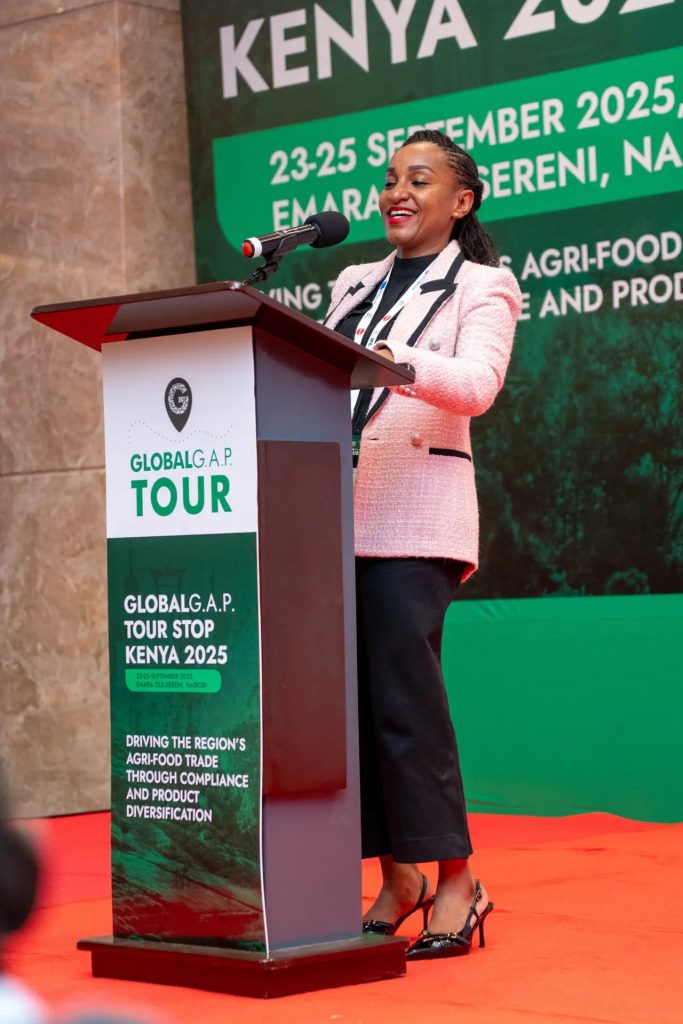
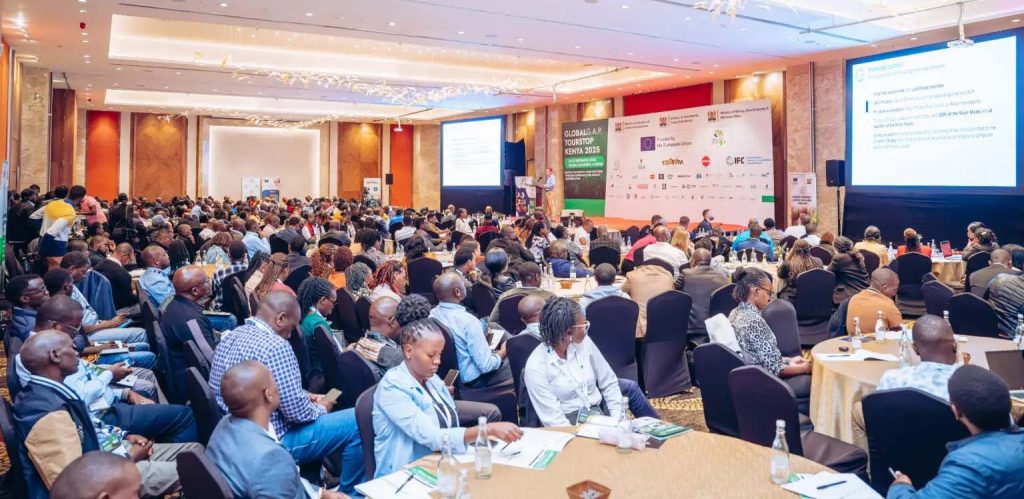
Drawing over 480 participants from 13 countries, the event showcased how certification systems like GLOBALG.A.P. and digital traceability tools are transforming farming and aquaculture across Eastern Africa. “Certification is no longer a bureaucratic hurdle, it’s a passport to premium markets and higher income,” said Lillian Mwai-Ndegwa, Kenya Country Director at TradeMark Africa. “Compliance builds credibility and resilience, especially for smallholders and SMEs looking to compete globally.”
The stakes are far from theoretical. Kenya’s horticulture sector employs over 6.5 million people and earned billions in foreign exchange last year. But the sector is vulnerable. Between 2023 and 2024, horticultural exports to the EU fell 11%, with fruit fly infestations shutting Kenyan mangoes out of the European market for nearly a decade. Fish exports face similar challenges, with hygiene and traceability concerns frequently triggering border rejections.
TradeMark Africa’s EU-BEEEP initiative has responded swiftly, distributing over 15,000 fruit fly traps and training thousands of farmers in Makueni County to meet export requirements. “This intervention is a lifeline for mango growers,” says Dr. Andrew Edewa, Chair of Kenya’s National Technical Working Group. “It boosts market access and rebuilds trust with international buyers.”
Certification achievements tell a hopeful story: five Kenyan packhouses have earned the BRCGS food safety certification, and nearly 1,000 farmers are advancing towards GLOBALG.A.P. and GLOBALG.A.P. Risk Assessment on Social Practice (GRASP) certification. These milestones reduce the risk of intercepted shipments and position Kenya as a reliable supplier.
But compliance alone is not a silver bullet. Kenya’s producers are embracing diversification to spread risk and increase revenue. This means adding value by processing avocados into oils, transforming mangoes into dried fruit and pulp, and expanding into regional markets through the African Continental Free Trade Area (AfCFTA), which offers access to 1.4 billion consumers.
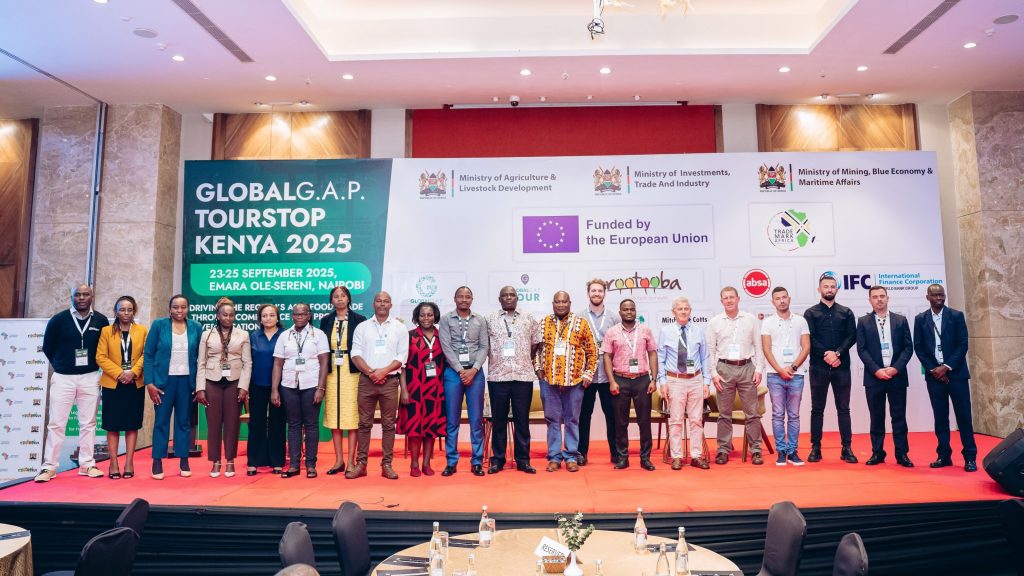
“At its core, diversification means resilience,” explains Mahinda Wahome, Technical Lead at Agraya, co-host of the GLOBALG.A.P. event. “It keeps income flowing even when traditional markets falter and creates jobs throughout the supply chain; from farming to processing and logistics.”
Therefore, Kenya’s agricultural exporters must prepare for rising demands around sustainability. Global buyers increasingly insist on proof of low-carbon footprints and fair labor practices alongside product safety. The combined force of compliance and diversification provides the foundation for meeting these evolving requirements and securing Kenya’s place at the forefront of African agribusiness.
SOURCE: GLOBALG.A.P. and TRADEMARK AFRICA