
21: 05: 2026
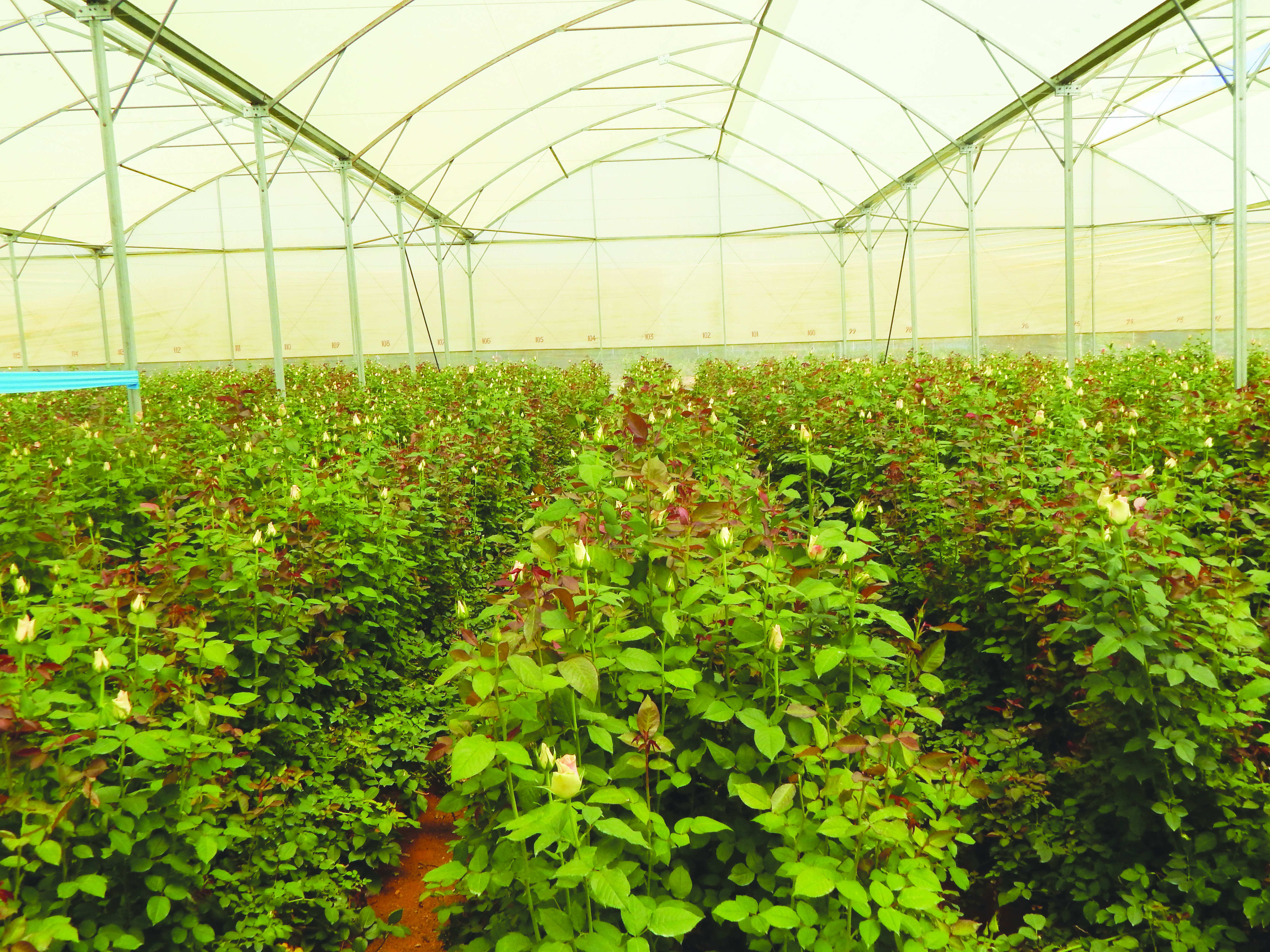
Why Alignment Matters in Kenya’s Flower Sector
Some of the biggest inefficiencies in Kenyan floriculture don’t come from poor soils, weak genetics, or even volatile markets. They come from one dangerous habit: doing things simply because “that’s how they’ve always been done.”
On the ground, this often shows up as copy-paste strategy. A neighbour installs the latest greenhouse design, adopts a new variety, or switches to a certain fertiliser regime—and the instinct is to replicate exactly, hoping for the same results. But as many growers have learned the hard way, what works for one kibadaski can leave the next farm with a rude shock.
Agriculture is full of inherited rules of thumb:
• “You must have breakfast, lunch, and dinner.”
• “One acre of maize needs one 50 kg bag of planting fertiliser.”
• “Every coffee tree needs 250 g of fertiliser.”
Some of these guidelines hold value in specific contexts. The problem is not their existence; it is how blindly they are followed—without questioning the end goal, the conditions, or the outcome. In Kenya’s flower sector, the cost of this unexamined repetition is high: wasted inputs, stressed crops, demotivated teams, and missed market opportunities.
At the heart of any effective system—whether a 5-hectare rose unit, a bouquet line, or a national export strategy—three questions must align: What?, Why?, How?
The what defines the goal: higher bud quality, better vase life, lower rejection rates, improved worker retention, or stronger presence in a particular market. The why brings clarity and alignment: why this variety, this market segment, this sustainability standard, at this moment? And the how turns intent into practice: the irrigation strategy, labour organisation, post-harvest handling, marketing, and investment decisions.
When these three are disconnected, the result is predictable:
• Chaos in daily operations
• Wasted resources and duplicated effort
• Fatigue across management and workforce
• Low morale and high turnover
• Poor delivery to buyers
• And eventually, deep frustration on all sides
We have all seen versions of this play out: archived clips of grand sector promises, glossy vision documents, powerful speeches about value addition and brand positioning. Sweet to the ear—but abandoned somewhere on the journey. Often, the problem is not lack of ambition. It is weak alignment between the what, why, and how.
The vision sounded good. The execution path was unclear. Constraints—like infrastructure, skills, capital, or market volatility—were underestimated. Feedback loops from packhouse to boardroom, from auction to farm, were missing or ignored. Time passes. Delivery stalls. Trust erodes—among staff, communities, buyers, even regulators.
For growers, exporters, input suppliers, and service providers in Kenya’s flower industry, there is a powerful takeaway. Before scaling any investment, process, or product, be brutally honest about:
• What exactly are we solving for?
• Why does it matter deeply to the customer and the value chain?
• How realistically can we deliver it, consistently, under real-world constraints?
Because markets do not buy ambition; they buy solutions that fit reality. A buyer in Europe or the Middle East values stems that arrive on time, perform in the vase, and meet sustainability standards—not just beautiful PowerPoint slides or bold promises.
The end goal must align with:
• What customers and markets truly need
• When they need it across seasons and holidays
• How they naturally perceive and experience value—from stem quality to story and reliability
A well-designed product, farm system, or market strategy is not built on assumptions or imitation. It is built on clarity, alignment, and disciplined execution.
In many cases, success in Kenya’s flower sector is not mysterious. It is the quiet, compounding result of getting the what, why, and how right—day after day, season after season.