
23: 04: 2026

Every year on April 22, Earth Day offers a moment for reflection and action on the state of the planet. But in 2026, the message feels more urgent and more practical than ever, especially for producers working in climate-sensitive sectors such as floriculture and horticulture.
The theme, Our Power, Our Planet, is a clear reminder that the shift toward sustainability is no longer a distant aspiration. It is already underway, and its momentum is increasingly being shaped by everyday decisions made in farms, greenhouses, supply chains, and markets around the world.
For Kenyan growers, particularly those in flower production, the message is direct: the future of competitiveness, resilience, and market access will be closely tied to how quickly and effectively production systems adapt to cleaner energy and more sustainable practices.
A Global Movement Rooted in Local Action
Earth Day has grown from a small environmental awareness effort into a global movement observed in nearly every country. Today, it brings together governments, industries, schools, civil society, and millions of individuals in a shared effort to address environmental challenges.
At its core, Earth Day is not only about awareness. It is about action. Over the decades, it has helped push environmental issues into policy discussions, encouraged cleaner production standards, and supported the rise of environmental regulations across many sectors.
Yet its most important strength remains unchanged: change starts locally. Whether through farming practices, energy use, or land management, the cumulative impact of small decisions continues to shape global outcomes.
Why 2026 Puts Renewable Energy at the Center
This year’s theme places strong emphasis on renewable energy, particularly solar, wind, and other clean technologies. The global ambition is to significantly scale up clean electricity generation within the next decade.
For agricultural producers, this is not only an environmental conversation but also an economic one. Energy costs are increasingly shaping production decisions, from irrigation systems and cold storage to greenhouse climate control and logistics.
Renewable energy is no longer viewed as experimental or optional. It is becoming more accessible, more affordable, and more integrated into agricultural systems. In many regions, solar-powered irrigation and energy-efficient greenhouse systems are already demonstrating measurable cost savings and improved reliability.
For Kenyan floriculture, where energy-intensive post-harvest handling and cold chain management are critical, the transition to cleaner energy sources presents both an opportunity and a competitive advantage.
Agriculture Under Environmental Pressure
The agricultural sector is among the most exposed to climate variability. Changes in rainfall patterns, rising temperatures, water scarcity, and soil degradation are already affecting production cycles and yields.
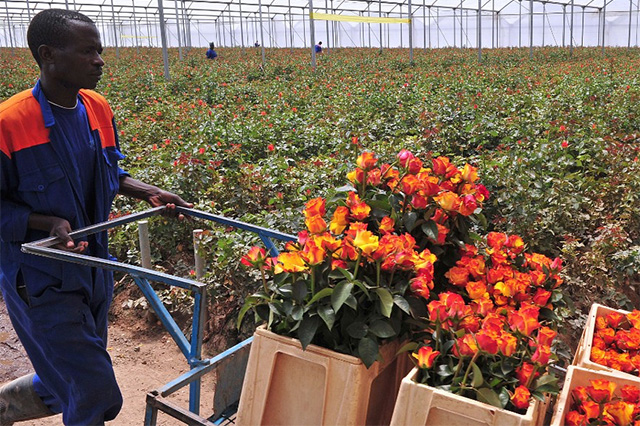
At the same time, global buyers are increasingly demanding transparency in environmental performance. Sustainability certifications, carbon footprint reporting, and responsible input use are becoming standard expectations rather than niche requirements.
This creates a dual pressure for growers: maintain productivity while reducing environmental impact.
Earth Day serves as a reminder that these challenges are interconnected. Soil health, water management, biodiversity, and energy use are no longer separate issues. They are part of a single production system that must be managed holistically.
From Awareness to Implementation
One of the strongest messages of Earth Day 2026 is the need to move beyond discussion into practical implementation.
Across the world, solutions already exist. Energy-efficient irrigation systems, integrated pest management, renewable-powered cold chains, and precision agriculture tools are all contributing to more sustainable production models.
The question is no longer whether these solutions work. It is how quickly they can be scaled and adapted to different contexts, including African horticultural systems.
For growers, this shift requires both investment and knowledge. It also requires collaboration across value chains, from input suppliers and logistics providers to exporters and retailers.
The Role of Growers in Driving Change
While governments and large corporations play a major role in shaping environmental policy, the agricultural sector remains one of the most practical spaces where change can be implemented immediately.
Growers influence land use, water consumption, chemical application, and energy demand on a daily basis. Small adjustments in these areas can produce significant environmental benefits over time.
Examples include improved irrigation efficiency, reduced reliance on high-impact inputs, better waste management, and gradual integration of renewable energy systems.
In many cases, these changes also improve long-term profitability by reducing input costs and increasing resilience to external shocks such as fuel price fluctuations or water shortages.
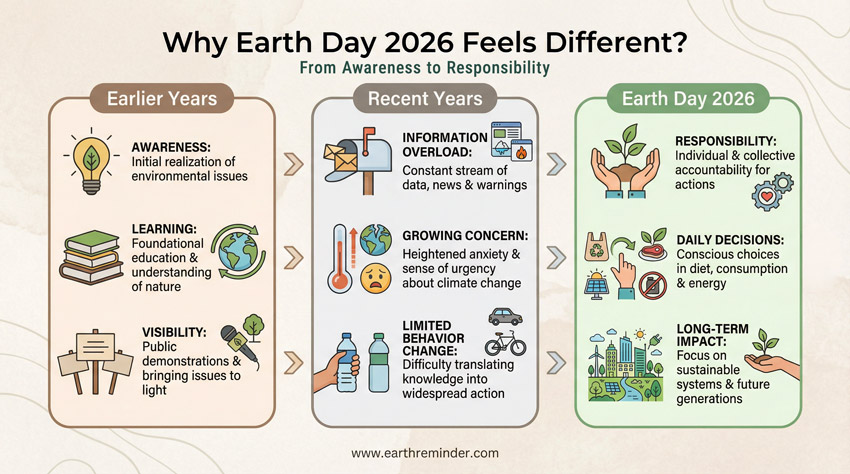
Earth Day Beyond a Single Date
Although Earth Day is marked on a specific date, its message extends far beyond a single moment in the calendar. Increasingly, environmental action is being embedded into year-round practices, with industries adopting continuous improvement models rather than one-off initiatives.
This shift is particularly relevant for agriculture, where seasonal cycles and long-term planning already define production systems. Sustainability is becoming part of routine farm management rather than a separate activity.
In this context, Earth Day functions as a global checkpoint. It is a moment to assess progress, identify gaps, and renew commitment to long-term environmental goals.
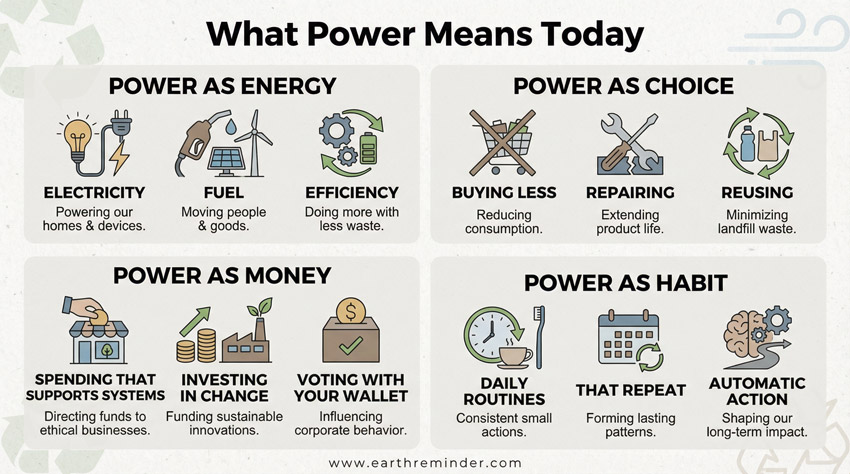
Shared Responsibility Across the Supply Chain
The responsibility for sustainability does not rest solely with producers. It extends across the entire supply chain, including exporters, logistics providers, retailers, and consumers.
In floriculture, for example, decisions made in European and global markets increasingly influence production standards in Kenya. This interconnectedness means that sustainability is no longer a local issue but a shared global responsibility.
At the same time, it creates opportunities for growers who are able to meet higher environmental standards, access premium markets, and strengthen long-term trade relationships.
Looking Ahead
As Earth Day 2026 approaches, its central message is becoming increasingly clear: the transition to a more sustainable future is already in motion, but its success depends on collective action.
For Kenyan growers, the implications are both practical and strategic. The shift toward renewable energy, efficient resource use, and climate-resilient production is not only about environmental responsibility. It is about securing the future of agriculture in a rapidly changing world.
The tools are available. The technologies are proven. The direction is set.
What remains is the pace of adoption.
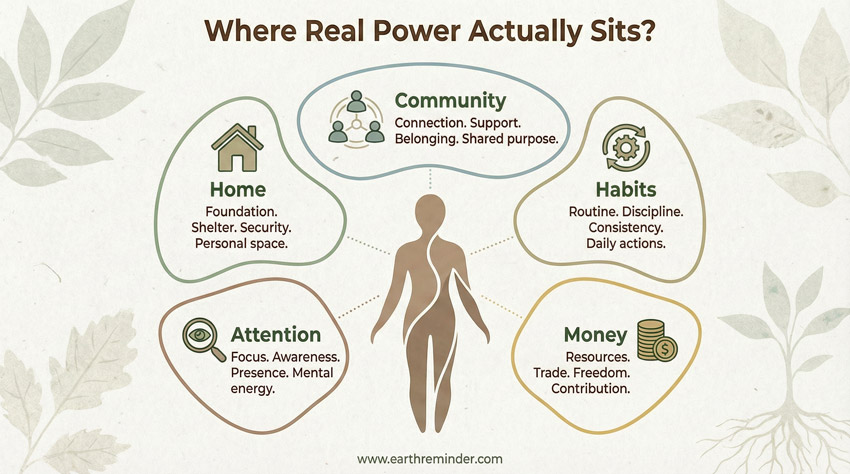
Earth Day remains a reminder that environmental change is not driven by distant institutions alone. It is shaped in greenhouses, farms, and production sites every day, through decisions that may seem small individually but are powerful collectively.
In 2026, the message is simple: the power to shape the planet’s future is already in our hands.