
October 9, 2025
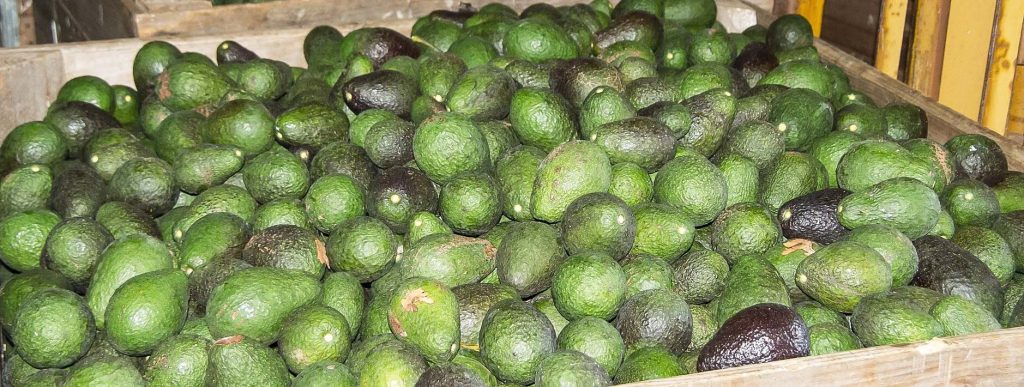
Tanzania’s avocado boom, often called the “green gold rush,” presents significant opportunities but also stark challenges for smallholder farmers, particularly the issue of food waste that threatens their livelihoods and exacerbates inequality. Up to 50% of avocados in Tanzania are wasted due to structural problems in the supply chain, handling practices, quality standards, and market dynamics, with women, who dominate the domestic trade, being disproportionately affected. Addressing these challenges requires coordinated efforts from governments, exporters, cooperatives, and development organizations to build a more sustainable and equitable avocado sector.
The Scale and Impact of Avocado Waste
Tanzania has seen a dramatic rise in avocado production and export, with the market boom creating new income prospects for many smallholder farmers. However, research shows that between 30% and 50% of avocado produce is wasted, a double blow that reduces farmers’ incomes and perpetuates inequality. Losses stem from damaged fruit caused by rough handling, mismanagement of ripe avocados, and the rejection of fruit that does not meet strict quality criteria demanded by export markets.
In particular, avocados destined for export, primarily the Hass variety, must be whole, clean, green, blemish-free, appropriately sized, and have short stems. These standards are difficult for small farmers to consistently meet due to lack of cold storage, inadequate transport, and limited access to knowledge on proper handling. Domestically, varieties preferred by consumers tend to be larger and smoother-skinned than export types, leaving rejected export-quality avocados with less market value.
Women are especially vulnerable as they dominate the domestic trade, which involves handling avocados that have been rejected from export or are sold locally. With limited alternatives and less bargaining power, small-scale women traders and farmers often bear the brunt of the losses caused by waste and market fluctuations.
Causes Rooted in Power Imbalances and Market Dynamics
The problem of avocado waste is deeply linked to power dynamics in the supply chain. Exporters, brokers, and packhouse owners hold significant control over pricing and quality standards, often to the disadvantage of smallholder farmers. Small farmers may rely on credit provided by exporters to finance inputs but face harsh penalties if their crops fail to meet export quality, leaving them with few safety nets.
Handling practices also contribute to high waste. Brokers and transporters frequently compress sacks of avocados by jumping on them or using their feet, mistakenly believing unripe fruit is hard and thus impervious to damage. This rough treatment results in bruised and wasted fruit. Transport and storage infrastructure shortcomings exacerbate the problem by accelerating avocado ripening and spoilage before sale.
Market conditions add further strain. In rural-urban markets, buyers exploit the perishability of avocados by frequently altering prices, forcing farmers to accept low payments or risk unsold fruit. This unpredictability undercuts farmers’ ability to negotiate fair prices and plan their sales effectively.
Pathways to Reduce Waste and Empower Farmers
Experts and researchers identify a range of practical strategies to mitigate avocado waste in Tanzania and improve conditions for small farmers:
- Training and Support for Farmer Cooperatives: Governments and development agencies should bolster cooperatives by offering training on improved crop management, harvesting, post-harvest handling, and negotiation skills. This enables farmers to better meet quality standards, reduce losses, and negotiate fairer contracts.
- Price Floors and Market Regulation: Local authorities collaborating with exporters can set minimum prices at the start of the harvest season to prevent farmers from being forced into unreasonably low offers. Expanding such mechanisms protects farmers across the supply chain.
- Standardized Quality Criteria: Aligning quality standards across exporters and buyers will reduce arbitrary fruit rejections and promote fairness. Making quality expectations transparent helps farmers and traders plan production and sales more effectively.
- Education on Proper Handling: Brokers, pickers, and transporters require awareness training on careful handling to prevent damage. Changing misperceptions about unripe fruit fragility is crucial to reduce bruising during transport.
- Investment in Infrastructure: Expanding cold storage, improving transport logistics, and developing oil processing plants for rejected or surplus avocados can absorb waste and generate additional income streams for farmers.
- Market Transparency: Providing farmers with real-time data on export prices, processing costs, and consumer preferences empowers them to make informed decisions and negotiate better prices in both domestic and export markets.
Beyond Reducing Waste: Building Equity and Sustainability
Avocado waste is not just an environmental or economic inefficiency; it highlights deeper systemic injustices within Tanzania’s agricultural sector. Farmers, especially women and smallholders, disproportionately bear the costs and risks while actors higher up the supply chain control pricing and quality gatekeeping. Efforts to reduce waste must therefore also address these inequalities by empowering and protecting vulnerable farmers.
Sustainable avocado production holds promise for Tanzania’s rural livelihoods and biodiversity. With better support and market reforms, avocado farming can continue to be a vital income source while reducing environmental degradation associated with other crops. However, achieving this requires collaboration among governments, private sector players, civil society, and communities to transform the supply chain into one that is fairer, more efficient, and environmentally responsible.
Tanzania’s green gold rush offers tremendous opportunities but also stark lessons on how global food systems can inadvertently harm the very farmers they depend on. The path forward lies in embracing solutions that put farmers first, optimize resource use, and build resilient local food economies across Africa. By tackling food waste as a social and economic challenge, Tanzania can create a more just and sustainable avocado industry that benefits all stakeholders involved.
This article is based on research into Tanzania’s avocado supply chain challenges and food waste conducted by Jonas Cromwell, Lecturer in Food Security in the School of Food Science and Nutrition, University of Leeds and, the original article was first published on The Conversation website.