
February 26, 2026
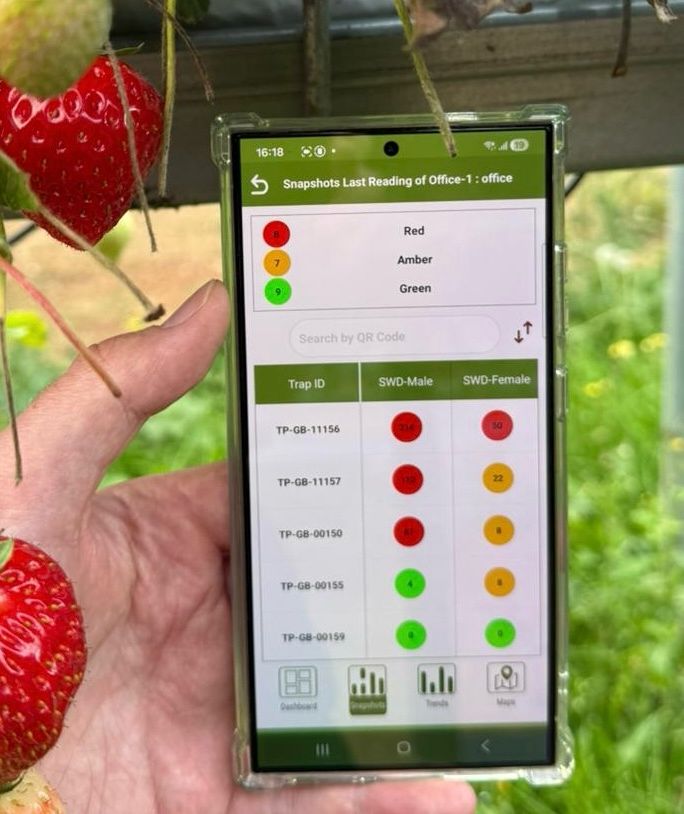
Kenya’s agricultural sector is on the verge of a technological shift in pest management with the introduction of TruePest, an artificial intelligence-powered monitoring tool developed by the UK-based Russell IPM. Designed to automate and enhance pest detection, TruePest promises to make crop protection more precise, efficient, and sustainable, while supporting compliance with international trade standards.
Traditionally, monitoring pests in crops has required placing sticky traps in fields or greenhouses, manually counting insects, and identifying species by eye. This process is slow, labour-intensive, and prone to human error.
TruePest changes the game by combining advanced AI with species-specific lures, allowing for automated identification, counting, and recording of insects in real time. A dedicated mobile application further streamlines the process by uploading data instantly, eliminating manual entry, and creating accurate digital records accessible to farmers, exporters, and regulatory authorities.
The technology is highly versatile, using a range of attractants to target key pests. Floral and pheromone-based lures are employed to detect thrips, fermentation-based baits capture spotted wing drosophila, and specific pheromones are deployed for a variety of moth species. By detecting pests early and with precision, TruePest enables growers to intervene before infestations spread, significantly reducing crop losses and improving overall plant health.
One of the major benefits of the system is its contribution to sustainable pest management. By providing timely, accurate pest data, farmers can make informed decisions about when and where to apply pesticides, reducing unnecessary chemical use. This not only lowers production costs but also minimizes environmental impact, aligning with growing global demands for safer, low-residue agricultural products.
The platform also has strong implications for export-oriented agriculture. Accurate, real-time pest records improve traceability and support compliance with international phytosanitary standards, reducing the risk of consignment rejection. Growers and exporters can demonstrate proactive pest management to importing countries, strengthening market credibility and protecting trade relationships.
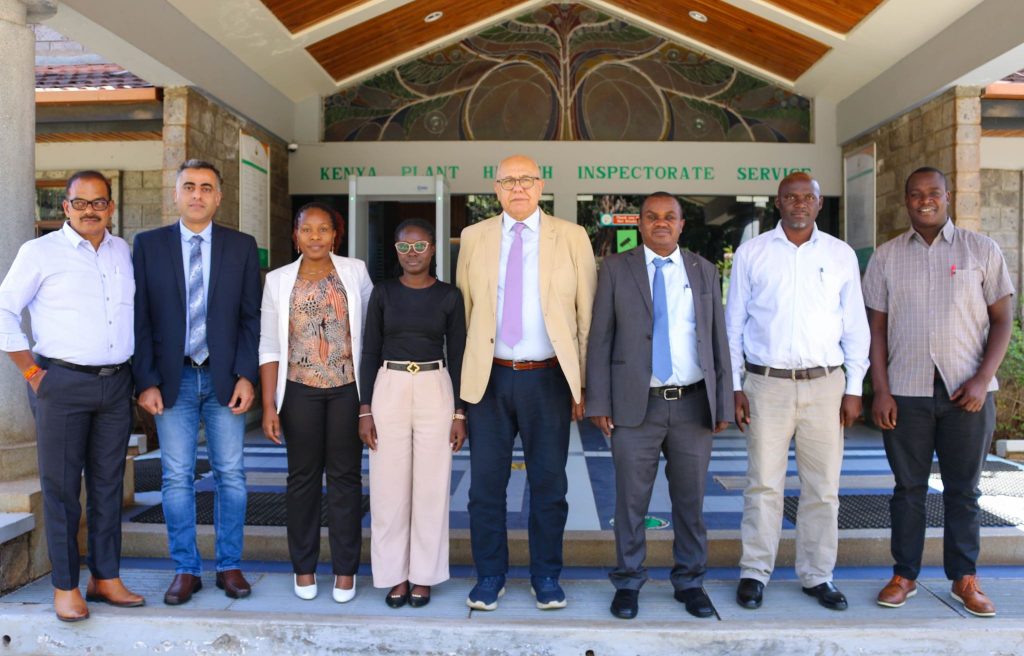
In Kenya, the potential of TruePest was highlighted during a demonstration involving the Kenya Plant Health Inspectorate Service. The regulator’s Phytosanitary department, led by Dr. Isaac Macharia, noted the value of AI-driven surveillance tools in modernizing inspection services and strengthening collaboration with stakeholders. Such innovations position Kenya as a forward-looking leader in plant health protection and agricultural trade facilitation.
Beyond individual farms, aggregated data from TruePest has the potential to enhance regional pest surveillance. By tracking pest patterns, population trends, and seasonal movements, authorities can improve early-warning systems, respond more effectively to emerging threats, and strengthen biosecurity across the country.
As agriculture faces increasing challenges from invasive pests, climate change, and stricter international standards, digital tools like TruePest are set to become indispensable. For farmers, exporters, and regulators alike, TruePest offers tangible benefits: earlier detection, reduced pesticide use, improved crop health, and stronger compliance with global standards. In doing so, it promises not only healthier harvests but also smoother access to international markets, strengthening Kenya’s position in the competitive agricultural trade landscape.