
October 30, 2025
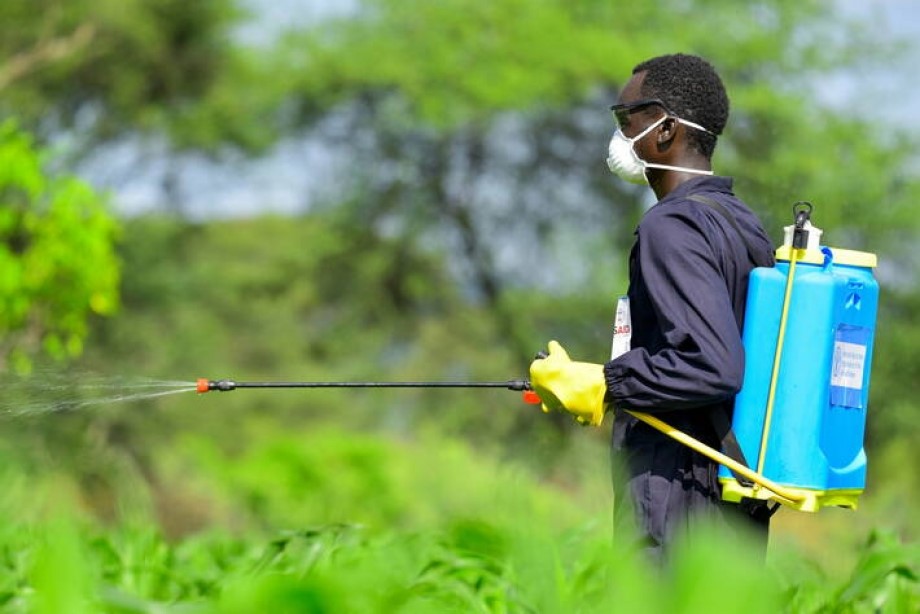
Pesticide risk reduction is key to building sustainable food systems and ensuring global food security. As climate change intensifies pest and disease outbreaks, many smallholder farmers rely on pesticides to protect crops. However, misuse and overuse of these chemicals can harm farmers’ health, reduce biodiversity, and weaken ecosystems essential for long-term productivity. Unsafe residues also threaten consumer trust and market access.
Reducing pesticide risks protects people, animals, and the environment while maintaining yields. Sustainable alternatives, such as nature- and science-based pest management, can effectively control pests without the harmful side effects of chemical dependence.
CABI is at the forefront of promoting safer pest management through several initiatives that align with the Sustainable Development Goals, especially SDG 12 on responsible consumption and production. Its PlantwisePlus programme has developed a pesticide risk reduction pathway that raises awareness of lower-risk products and promotes Integrated Pest Management (IPM) practices. Through plant clinics and digital tools, farmers worldwide gain access to reliable, science-based plant health knowledge.
CABI also partners with governments to train farmers, agro-dealers, and regulators in pesticide safety and the use of biopesticides. The CABI BioProtection Portal, the world’s largest free resource for biological plant protection, provides farmers with easy access to sustainable pest control solutions. In countries like Pakistan, CABI has supported the introduction of biopesticide regulations, enabling safer and more sustainable pest management.
These efforts integrate pesticide risk reduction into food systems, improving farmer training, expanding access to safer alternatives, and embedding sustainability into policies and markets. By helping nations meet residue standards and maintain trade access, CABI’s work strengthens competitiveness while protecting ecosystems.
Ultimately, reducing pesticide risks safeguards human health, supports biodiversity, and ensures resilient food systems, laying the foundation for secure, sustainable food production for generations to come.