
March 5, 2026

The ongoing conflict in the Middle East is casting a long shadow over global trade and Kenya’s floriculture industry is feeling the pressure. Trade Cabinet Secretary Lee Kinyanjui has warned that the crisis poses real risks to Kenya’s export basket, noting that the country enjoys thriving trade with Middle East markets where meat, vegetables, coffee, tea and flowers feature prominently.
For Kenya’s flower sector, the timing is particularly delicate.
A Critical Diversification Window
In recent years, Kenya has aggressively pursued direct fresh flower exports to the Gulf region, particularly the United Arab Emirates, alongside Saudi Arabia, Kuwait, Qatar, Bahrain, and Oman, as part of a broader strategy to reduce overreliance on Europe. Kenya Flower Council Explores Direct Access to Saudi Arabia’s Growing Market
With a regional population of over 54 million, strong purchasing power, modern cold-chain facilities and direct flights between Nairobi and key Gulf hubs, the Middle East has emerged as a promising growth frontier for Kenyan blooms. Kenya’s Flower Industry Shifts Focus as New Markets Emerge
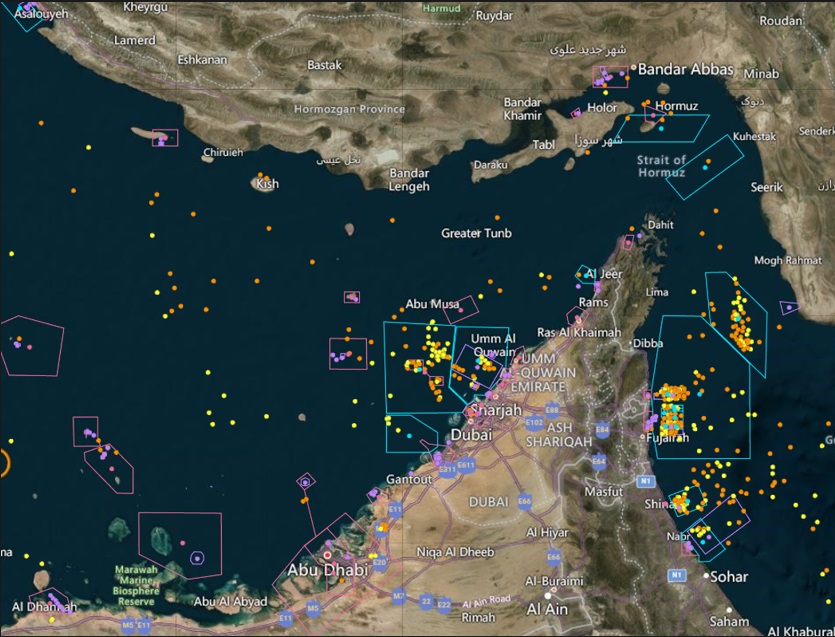
However, escalating tensions, airspace restrictions across Iran, Iraq and parts of the Gulf, and maritime insecurity around the Strait of Hormuz are disrupting cargo routes and increasing uncertainty.
Immediate Impact on Flower Exports
While Kenya has not lost market access, exporters are facing:
- Air cargo capacity shortages — estimated at up to 30% below required weekly volumes.
- Freight rates surging to as high as $5.30 per kilo.
- Delays of up to 48 hours on cargo flights serving Jomo Kenyatta International Airport.
- Escalating insurance premiums for both air and sea freight.
- Rising fuel costs, driven by volatility in global oil markets.
Cold stores at JKIA are reportedly full, with some trucks turned back to farms, a stark reminder that floriculture is a time-sensitive business where hours matter.
Kenya, the world’s third-largest exporter of cut flowers, sends over 70% of its blooms to Europe. The Gulf represents a strategic opportunity for market diversification. But longer transit times and higher freight costs risk eroding competitiveness at a time when growers are already operating on tight margins.
Energy and Logistics Pressures
The conflict also threatens energy supply chains. Kenya imports most of its refined petroleum products from Gulf producers, including Saudi Arabia and the UAE. Any disruption in maritime corridors could increase domestic fuel prices, raising costs for greenhouse operations, farm logistics and air freight.
This combination of freight volatility, energy price pressure and insurance constraints directly affects profitability across the value chain, from farm to freight consolidator.
Government Response and Industry Outlook
CS Kinyanjui has indicated that the government is consulting stakeholders to safeguard Kenya’s trade position and explore alternative routing options, including sea–air logistics models and expanded cargo partnerships.
Market diversification, he emphasized, is not optional, it is a resilience strategy.
For the floriculture sector, the message is clear: while geopolitics may be unpredictable, Kenya’s flower trade must remain agile, strategic and forward-looking. The Middle East remains a vital growth market, and once stability returns, demand fundamentals remain strong.
In the interim, coordinated government-industry action, including logistical innovation, cost containment measures and possible support mechanisms for affected exporters, will be critical to sustaining momentum in one of Kenya’s most important foreign exchange earners.
Kenyan flowers have weathered global shocks before. With structured support and strategic focus, the industry can navigate this turbulence and emerge stronger.