
February 19, 2026
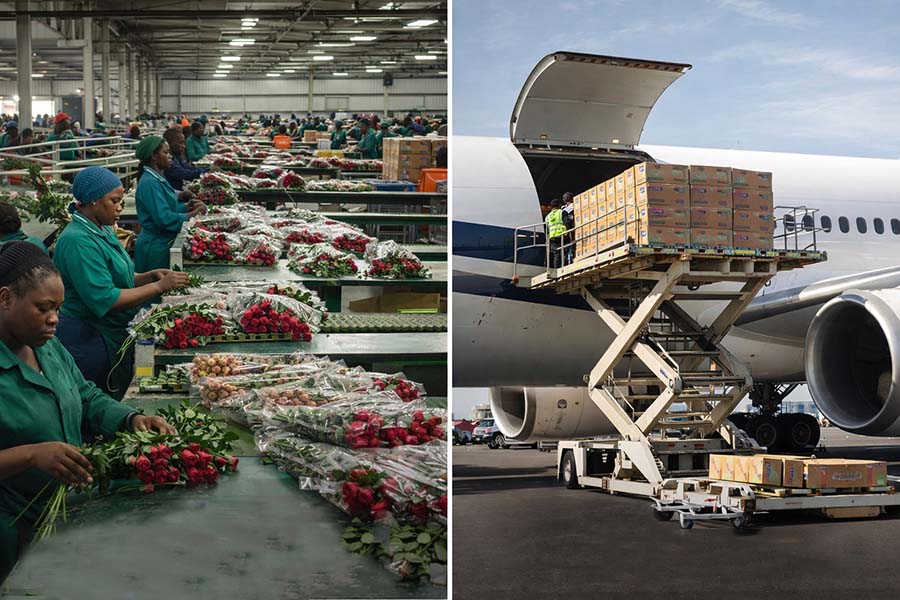
Over the past decade, Kenya’s flower sector has pursued a deliberate strategy of market diversification. Through targeted trade missions, bilateral engagements, and sustained promotion, exporters have begun to unlock demand beyond Europe, particularly in Asia and the Middle East. The results are increasingly visible. Shipments to destinations such as the United Arab Emirates, Saudi Arabia, China, Kazakhstan, and other non-European markets have grown steadily, even if they still represent a smaller share of total volumes.
Industry data shows that while export values to the EU and UK have remained strong, their relative share has declined from historic highs of around 95 percent in the early 2020s to today’s roughly 70 percent. This shift reflects not a weakening of Europe’s importance, but the gradual success of diversification efforts.
For Kenyan exporters, these emerging markets offer more than incremental gains. In the Middle East, a fast-growing appetite for premium blooms is being supported by expanded airline connectivity and new cold-chain investments. In Asia, particularly China, rising urban middle-class incomes and an expanding culture of floral gifting present significant long-term scale potential.
The lesson from the past decade is clear: spreading exports across more markets makes the industry more resilient and sustainable. Kenya’s ability to nurture its legacy relationships in Europe while building new ones in Asia and the Middle East will be critical to future growth. By balancing established markets with emerging opportunities, Kenya’s floriculture industry is not only managing risk but also positioning itself to thrive in a more diversified and competitive global marketplace.
To compete effectively across this wider market mix, domestic stakeholders have intensified their focus on sustainability, traceability, and quality certification. Meeting increasingly stringent buyer requirements not only opens doors in new destinations but also helps Kenyan flowers command premium prices. These efforts align with global trends toward conscious consumerism and stronger environmental regulation.
Despite these gains, Europe remains central to Kenya’s floriculture trade because of its purchasing power and mature import infrastructure. The Netherlands continues to be the single largest destination for Kenyan flowers, accounting for a substantial share of export revenue, with the UK close behind. Well-established supply chains, auctions, and wholesale networks still make Europe an indispensable pillar of the industry.