
October 30, 2025
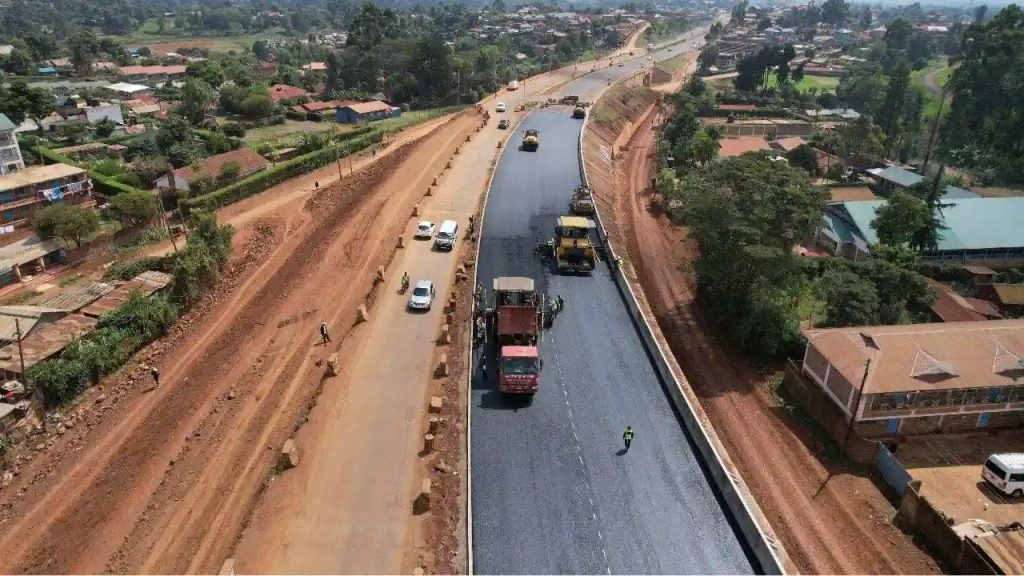
The Kenya-Uganda Expressway project, spanning approximately 256 kilometers along the Northern Corridor, has been confirmed feasible and investment-ready after a comprehensive African Development Bank (AfDB)-funded feasibility study. This multinational expressway will connect key points from Kisumu to Busia and continue through Kakira, Malaba, and Busitema, aiming to significantly transform transport and trade between Kenya, Uganda, and the broader East African region.
The project is supported by the East African Community (EAC) framework and financed through a grant from the NEPAD Infrastructure Project Preparation Facility (NEPAD-IPPF). It is designed to alleviate the intense congestion and prolonged travel times that currently characterize this vital corridor, which handles the majority of landlocked East African countries’ imports and exports via the Port of Mombasa.
Key components of the expressway include:
- In Uganda: Construction of a new 60-kilometer greenfield expressway between Jinja and Busesa, to be developed through a Public-Private Partnership (PPP) model. Additionally, the Busesa–Malaba and Busitema–Busia sections will be upgraded to dual carriageways, while the Lwakhakha–Bumbobi segment will remain a single carriageway.
- In Kenya: The Kisumu bypass will be dualled to improve traffic flow, and the Kimaeti–Lwakhakha road will be upgraded to bitumen standards to enhance road quality. Furthermore, the Busia and Malaba One Stop Border Posts will undergo rehabilitation to increase clearance efficiency and reduce long queues, which currently can extend to seven kilometers.
This expressway project is expected to reduce the truck turnaround time between the Port of Mombasa and Kampala, which presently averages five to six days, by enabling faster, more efficient transits. The road is anticipated to cut transit time considerably, lower fuel costs, and increase truck operating distances, potentially allowing trucks to cover up to 120,000 kilometers annually.
The Shippers Council of Eastern Africa (SCEA), which represents importers, exporters, and logistics players, says the expressway will cut transit times along the Northern Corridor and ensure faster, more reliable delivery of goods to landlocked countries.
The project enjoys regional support, having been endorsed at a Market Sounding Conference held in Kampala, where government representatives, financiers, and private sector leaders highlighted its significance for regional integration, trade facilitation, and economic development. Additional measures planned under the expressway include upgrading border infrastructure, integrating digital technology for efficient corridor management, ensuring safety, and promoting social inclusion.
This road development is part of a broader East African regional infrastructure strategy to improve cross-border connectivity among member states, reduce transport costs, and boost competitiveness in the trade corridors linking Kenya with Uganda, Rwanda, Burundi, the Democratic Republic of Congo, South Sudan, and Tanzania.