
February 12, 2026
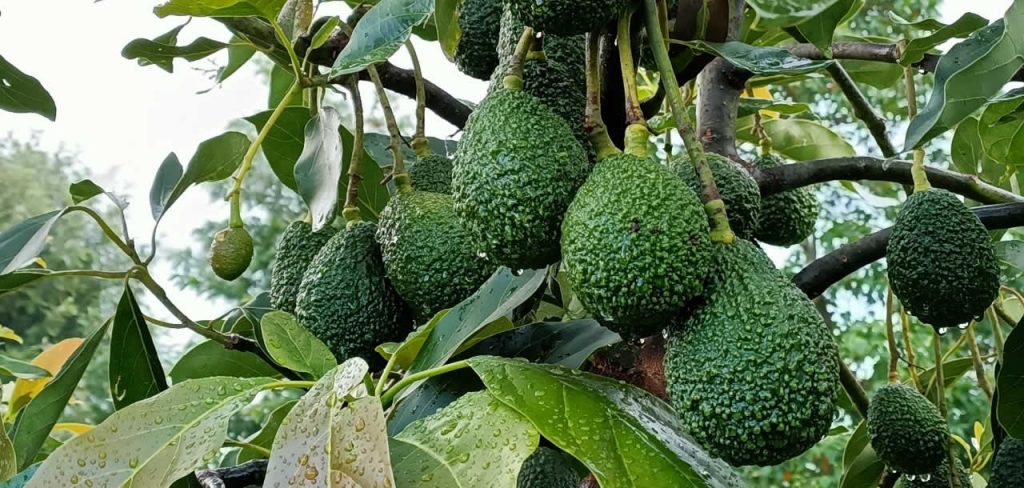
Kenya’s once undisputed dominance in avocado exports was challenged in 2025, with Morocco emerging as the top African exporter while Kenyan shipments declined amid persistent logistical and seasonal hurdles.
Preliminary figures from the Food and Agriculture Organization’s (FAO) Tropical Fruits Market Review show that African avocado exports rose 16.7 % in 2025 to about 430,000 tonnes, driven by strong growth in North Africa and overall global demand. Morocco’s export volumes soared by around 90 % year-on-year to approximately 141,000 tonnes, enabling the country to overtake traditional leaders and claim the continent’s top spot in avocado exports for the first time.
Kenya, historically Africa’s largest avocado exporter and a leading global supplier, slipped to second place after recording a notable 19 % reduction in export volumes to an estimated 105,164 tonnes in 2025. The FAO attributes this contraction primarily to logistics bottlenecks linked to disruptions in key shipping corridors, particularly the Red Sea route.
With heightened security risks around the Suez Canal, many carriers diverted around the longer Cape of Good Hope maritime passage, nearly doubling transit times to European markets and sharply increasing freight costs. These transport challenges directly impacted Kenya’s principal markets in the European Union, where freshness and timely delivery are crucial.
The export decline in 2025 compounds recent structural pressures in Kenya’s avocado industry. While production estimates showed that output dipped in 2024, industry analysts previously projected a modest rebound in 2025, supported by expanded acreage and improved agronomic practices. Domestic production was expected to rise by approximately 4 % as farmers planted more trees and improved yields per hectare.
However, export performance is shaped by more than just production. Regulatory interventions have also influenced trade flows. In late 2025, Kenya’s Agriculture and Food Authority (AFA) suspended avocado shipments by sea to safeguard quality and market access, limiting some consignments to air freight during key months. This policy, aimed at preventing immature fruit from entering international markets, has compounded logistical pressures but reflects long-standing concerns about quality assurance standards for export consignments.
Despite these setbacks, Kenya remains a huge player in the global avocado market. It consistently ranks among the world’s top producers, supplying a mix of Hass, Fuerte, and other varieties. Smallholder farmers across key counties such as Murang’a, Kiambu, and Nakuru continue to expand avocado cultivation as both a cash crop and a livelihood strategy, contributing significantly to rural incomes and foreign exchange earnings.
The continent’s broader export picture remains positive: global avocado shipments climbed about 13% in 2025, reflecting growing demand in Europe, the Middle East, and parts of Asia. Yet the diverging fortunes of leading exporters underscore how infrastructure resilience, trade facilitation, and route security now play a major role alongside on-farm production in shaping Africa’s competitiveness.
For Kenya, the export setback in 2025 may be temporary if structural investments in cold chain logistics, alternative export corridors, and value addition are accelerated. The government and private sector are increasingly focused on improving air freight capacity, expanding access to markets in Asia and the Gulf, and enhancing compliance with international quality standards. These initiatives aim to sustain Kenya’s strong reputation for high-quality avocados even as the continent’s export landscape evolves.