
February 05, 2026
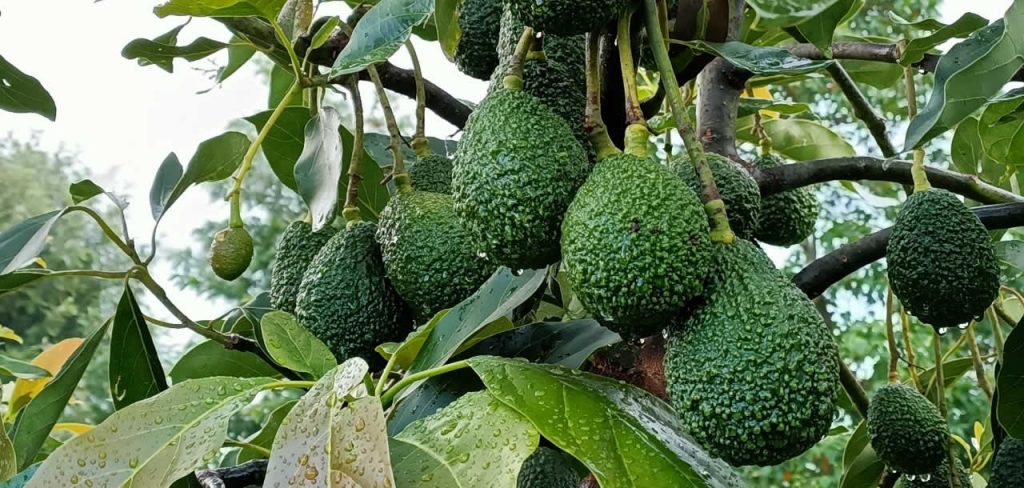
As Kenya’s avocado industry gears up for another ‘green gold’ boom, policymakers are tackling long-standing logistical challenges that have previously hampered export flows.
The global demand for Kenyan avocados, particularly Hass, is rising in Europe, the Middle East and Asia; thus, efficient cargo handling has become a strategic priority. According to industry leaders, improving port operations is now one of the most critical steps to protect farmers’ incomes, preserve fruit quality and strengthen Kenya’s reputation as a reliable supplier of perishable produce.
Efficient maritime operations matter more than ever right now because over 80% of Kenya’s imports and exports move by sea. Delays at key gateways like the Port of Mombasa can threaten the delicate supply chain for avocados, which are highly perishable and sensitive to time-on-deck.
Cabinet Secretary for Investments, Trade and Industry Hon. Lee Kinyanjui has been clear: reducing congestion, cutting turnaround times and streamlining inspections are essential if Kenya is to scale avocado exports while maintaining quality on arrival in international markets.
To this end, the government has brought together senior officials from the Kenya Ports Authority, the Kenya Ship Agents Association and the Kenya Revenue Authority to diagnose bottlenecks and design practical solutions. Their focus ranges from paperwork harmonization to cargo flow processes that prevent fruit from languishing in port yards.
Last year’s export season illustrated both the promise and the pain points of Kenya’s avocado trade. The nation earned millions of dollars from avocado shipments but also faced logistical hiccups that risked fruit quality and timely delivery.
As harvests approach peak season, traditionally stretching from late February through much of the year, the pressure to get produce from orchards to ocean carriers without delays has intensified. Due to shifting weather patterns and climate effects nudging harvest schedules, timing has become more crucial.
| FAQ |
|---|
| How important is sea transport to Kenya’s avocado trade? Critical. Over 80% of Kenya’s imports and exports move by sea, making efficient maritime operations essential for fresh produce exports. What challenges are being addressed at the ports? Congestion, long turnaround times, fragmented inspections, and paperwork bottlenecks slow cargo movement and trap fruit in port yards. Why is timing more critical this season? Climate variability is shifting harvest windows, compressing export timelines and leaving less room for logistical delays. Scope of Kenya’s Avocado Exports The scope of Kenya’s avocado exports extends across Europe, the Middle East, and Asia, making the country one of the continent’s leading suppliers of the Hass variety. Producing over 250,000 tonnes annually, these exports generate hundreds of millions of dollars in foreign exchange and support tens of thousands of smallholder farmers, as well as jobs in packaging, transport, and logistics. Europe, including the Netherlands, the UK, and Germany, remains the largest market, while demand in China, Japan, and the Middle East is rapidly expanding. Despite this success, the sector faces challenges such as the highly perishable nature of avocados, port congestion, and climate-driven shifts in harvest timing. To maximize the scope and potential of the industry, Kenya is focusing on improved port efficiency, strengthened cold chain systems, compliance with international standards, and diversification into new markets. |