
November 27, 2025
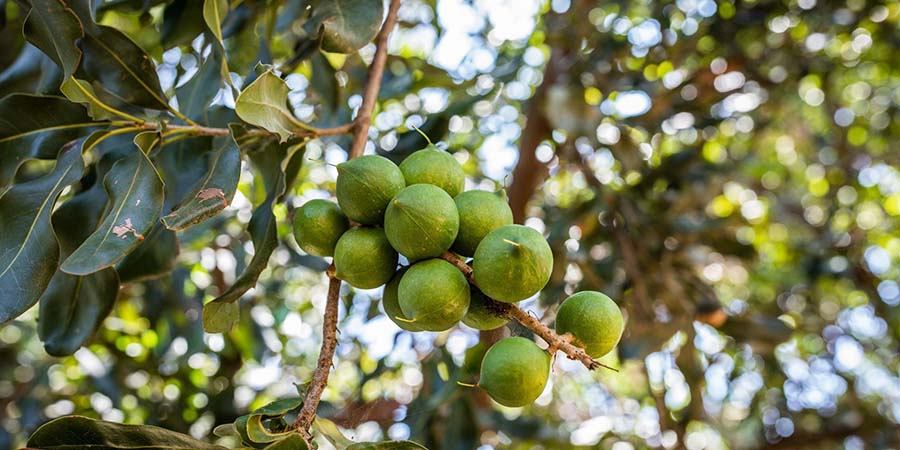
PHOTO COURTESY: AFA
Kenya is losing nearly 40 percent of its macadamia harvest every year to destructive pests, climate stress and ineffective pesticides, amounting to an economic blow of Ksh.2.88 billion, Agriculture Cabinet Secretary Mutahi Kagwe has warned.
Addressing macadamia sector stakeholders , the CS said the losses threaten one of Kenya’s most valuable export crops and require urgent coordinated action. Sector leaders reported that farmers are battling invasive pests that damage flowers, bore through shells, destroy leaves, and trigger massive premature nut drop.
According to Jane Maigua, Chair of the Macadamia Association of Kenya (MACNUT), Kenya produces about 45,000 metric tonnes of macadamia annually, of which 44,100 tonnes are marketable. However, 17,640 tonnes, including more than 2,200 tonnes of premium export kernels, are lost to insect damage each year. Processors incur additional labour and energy costs to sort infested nuts.
The Kenya Plant Health Inspectorate Service (KEPHIS) identified stink bugs as the most destructive pest, followed by nut borers, lace bugs, moths, thrips, and rats. Rising temperatures have intensified thrip attacks, while climate change is reducing the effectiveness of commonly used pesticides.
In response, the Pest Control Products Board (PCPB) outlined emergency legal provisions that allow rapid approval of organic and pyrethrum-based pesticides. Once pest pressure is confirmed by PPCK and KEPHIS, the Board can fast-track emergency products, conduct local efficacy trials, set application rates, and support counties in training farmers on safe pesticide use.
PCPB CEO Fredrick Muchiri assured the CS that pyrethrum-based solutions will be prioritized if they meet safety and performance standards, noting that Kenya imports more than 20 million kilograms of pesticides annually.
CS Kagwe directed AFA, KEPHIS, PCPB, and county governments to intensify farmer education, strengthen pest-management training, and revive the domestic pyrethrum value chain to provide affordable, safer pest-control alternatives. He further instructed PPCK to safeguard its scientific data, insisting that private firms must pay for access to this national asset.