
December 4, 2025
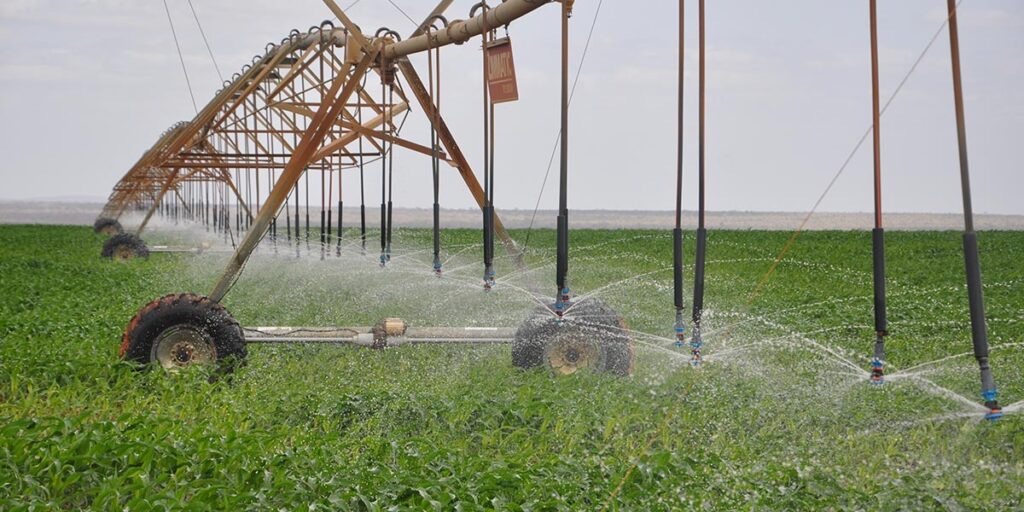
In a bold push to end Kenya’s food import dependency, Agriculture Cabinet Secretary Mutahi Kagwe announced plans to designate the vast Galana Kulalu irrigation scheme in Kilifi and Tana River counties as the nation’s first Agricultural Special Economic Zone (SEZ).
Spanning 1.5 million acres of irrigable semi-arid land under Kenya’s Vision 2030 blueprint, Galana Kulalu has gained momentum through public-private partnerships (PPPs), including a KSh 12.5 billion ($92 million) deal with UAE firm Al Dahra signed in August 2025. The SEZ status will deliver tax breaks, one-stop regulatory approvals, and upgraded infrastructure like 60 km of farm roads, storage silos, and a 306-million-cubic-meter dam feeding gravity irrigation to 200,000 acres. Focus areas include high-yield edible oils, cereals like maize and rice, horticulture, livestock feed, and industrial crops, aiming to position Kenya as East Africa’s agri-export hub amid AfCFTA opportunities.
Complementing this, the ministry launched a One-Stop Land Commercialization Office to fast-track public land leases, slashing approval times from years to one month. Nyumba Group’s model exemplifies success: leasing 300,000 acres, investing $50 million (KSh 7.5 billion) in irrigation canals and dams, and cultivating 20,000 acres—yielding over 3,000 jobs and cutting coastal food deficits. Phase 1B expansions now cover 3,200 acres of maize, with first harvests in October projected at 4 million kg, targeting 20,000 acres and 2,000 more jobs soon.
Kagwe stressed urgency: “Kenya cannot afford idle land while importing food,” urging counties to nominate productive sites for private investment. With 1.8 million acres now under the Land Commercialization Initiative (LCI), Kenya’s largest ever; the project promises forex savings, rural youth employment, and climate-resilient farming via precision tech from partners like Al Dahra, which farms 400,000 acres globally. President William Ruto hailed it as a jobs and export engine, with infrastructure like siltation basins now complete. Success could save KSh 400 billion annually in imports, stabilizing regional prices and inspiring arid-zone models across Africa.