
December 4, 2025
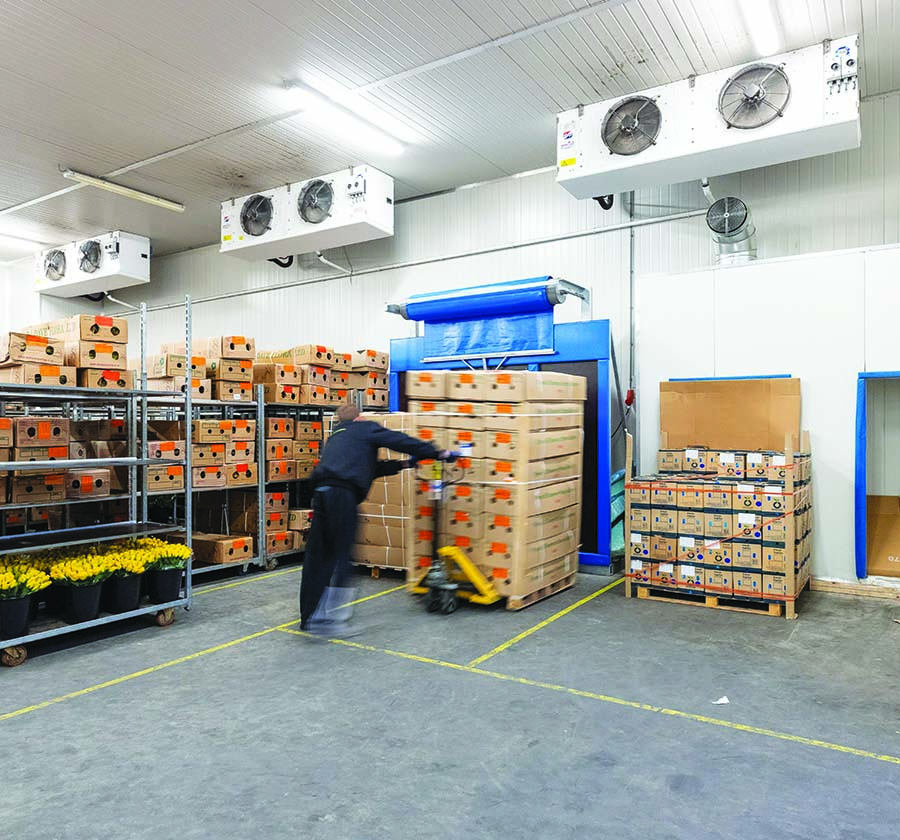
A single lapse in the cold chain from farm to vase can determine whether a rose arrives vibrant or wilted. “Temperature is the single most important factor that affects flower value,” says Ross G. Field, Managing Director of Specialized Fibreglass Ltd (SF).
“Keeping flowers in low temperatures from the farm to the final destination is vital. One of the key links in that chain is transport from the farm to the airport.”
For years, most flowers have been trucked in open or semi-insulated vehicles to Nairobi’s Jomo Kenyatta International Airport. But as global markets demand higher standards, growers are shifting to refrigerated transport systems insulated truck bodies that keep the cargo cool and protect quality under Kenya’s tropical heat.
Building Better Cool Chains
Specialized Fibreglass Ltd, founded in 1981, has become a leader in designing and manufacturing glass-reinforced plastic (GRP) truck bodies for perishable goods. From small pickups to 40-tonne trailers, SF builds units tailored for Kenya’s terrain and export requirements.
“Our reputation has been built on design excellence, quality control, and customer service,” says Field. “We’re cost-efficient and price-competitive, but never at the expense of quality.”
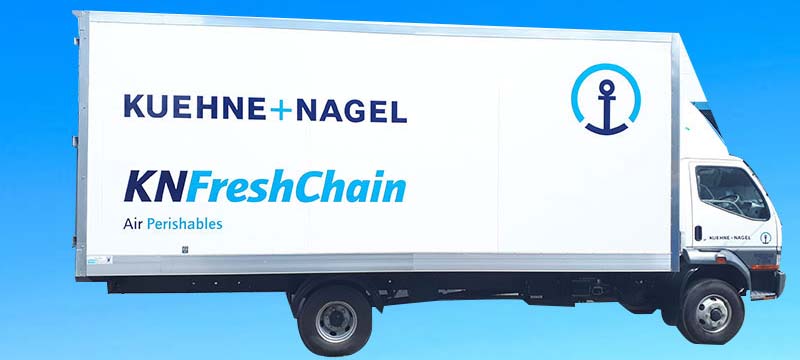
SF’s insulated bodies range from 50 to 115 mm in wall thickness, laminated inside and out to prevent heat leakage. They can be fitted with imported refrigeration systems powered by the vehicle engine or by independent diesel units. Optional features include air curtains to minimize warm air entry, ribbed floors for air circulation, and temperature-controlled compartments for uniform cooling.
Built to meet East African road standards, the units can also be customized for height, width, or load capacity. Growers choose designs that suit their flower boxes, route conditions, or temperature requirements. SF backs its products with a one-year warranty, operator training, and full service support for refrigeration systems.
Why Cooling at Origin Matters
Experts agree that cooling must start immediately after harvest. Once flowers are exposed to warm temperatures, moisture loss and ethylene build-up trigger irreversible deterioration. “Re-cooling at the destination doesn’t undo early damage,” notes one Naivasha grower. “By then, botrytis and other quality issues have already set in.”
Keeping flowers at 2–4 °C during farm-to-airport transport ensures they arrive at export temperature, ready for loading. Supermarkets in Europe often insert data loggers in shipments to verify that growers maintain consistent cooling across the chain. Maintaining this discipline helps Kenyan exporters retain quality and reduce post-harvest losses.
The Rise of Rail-Based Reefer Transport
While refrigerated trucks dominate local logistics, Kenya is now exploring a new frontier: reefer containers on rail. On March 17, 2025, the first reefer container carrying Kenyan flowers travelled by Standard Gauge Railway (SGR) from the Naivasha Inland Container Depot (ICD) to the Port of Mombasa, bound for Rotterdam.
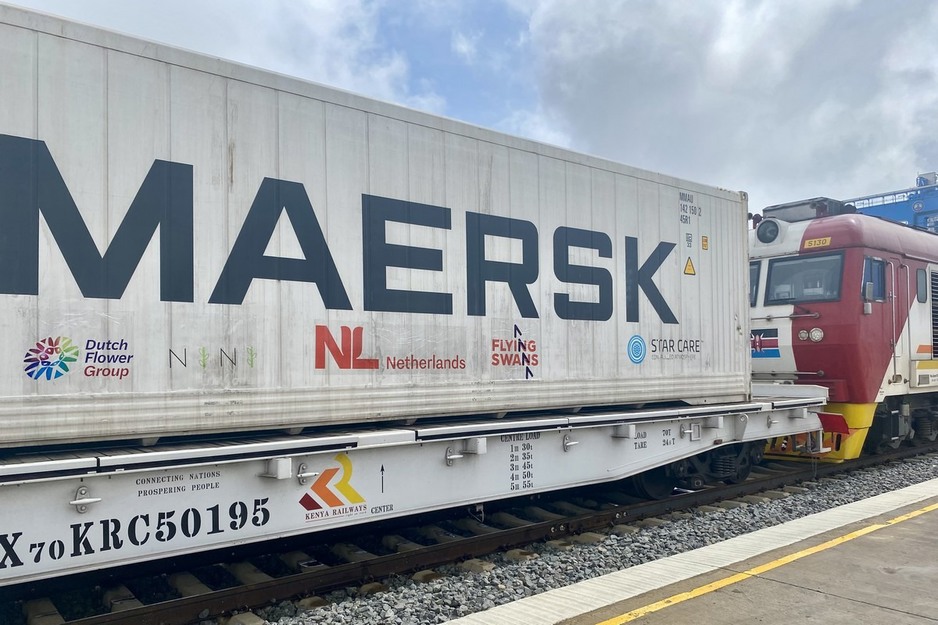
This milestone marked the launch of the Cool Logistics Corridor, a Kenya–Netherlands partnership involving Nini Flowers, Dutch Flower Group, Maersk, Kenya Railways, and Kenya Ports Authority, with support from Invest International, Flying Swans, and the Dutch Embassy.
“This first shipment demonstrates how rail and sea freight can complement air freight,” said Henk Jan Bakker, Ambassador of the Netherlands to Kenya. “It shows our joint commitment to sustainable agro-logistics.”
A Greener, Cheaper Alternative
Most of Kenya’s flowers are air-freighted, but sea transport offers major advantages. “By shipping flowers by sea, we cut CO₂ emissions by 80–90% compared to air,” says Jan van Dam, CEO of Dutch Flower Group. “This trial also shows that rail can be a sustainable, efficient alternative to long truck hauls to Mombasa.”
Located near major production zones, the Naivasha ICD is key to this shift. Equipped with reefer plug-in points and customs facilities, it enables exporters to consolidate and clear cargo inland before sending it by SGR directly to the port. A new Naivasha Consolidation Centre, being developed with funding from Invest International, will further streamline the process by aggregating flowers, fruits, and vegetables for refrigerated rail transport.
“We see Naivasha as the anchor of Kenya’s integrated rail-and-sea freight system,” says Marcel Biemond of Flying Swans. “It’s close to farms and connects directly to global markets.”
A Win–Win for Trade and Sustainability
For Kenya, rail-and-sea reefer transport reduces costs, congestion, and carbon emissions while expanding export capacity. For the Netherlands, home to the world’s largest flower auction and the Port of Rotterdam, Europe’s main fresh-produce hub, it ensures a steady, sustainable supply of Kenyan flowers.
“Invest International is committed to greening trade while improving livelihoods,” says Hans Docter, CEO of Invest International. “This project will create jobs, raise farmer incomes, and strengthen the Kenya–Netherlands partnership.”
From fiberglass truck bodies on Kenya’s highways to refrigerated containers on the SGR, the goal remains the same: delivering freshness, reliability, and value from the Rift Valley to the world.
As Ross Field concludes, “There’s no mystery to cooling; it’s attention to detail that makes the difference.”