
January 29, 2026
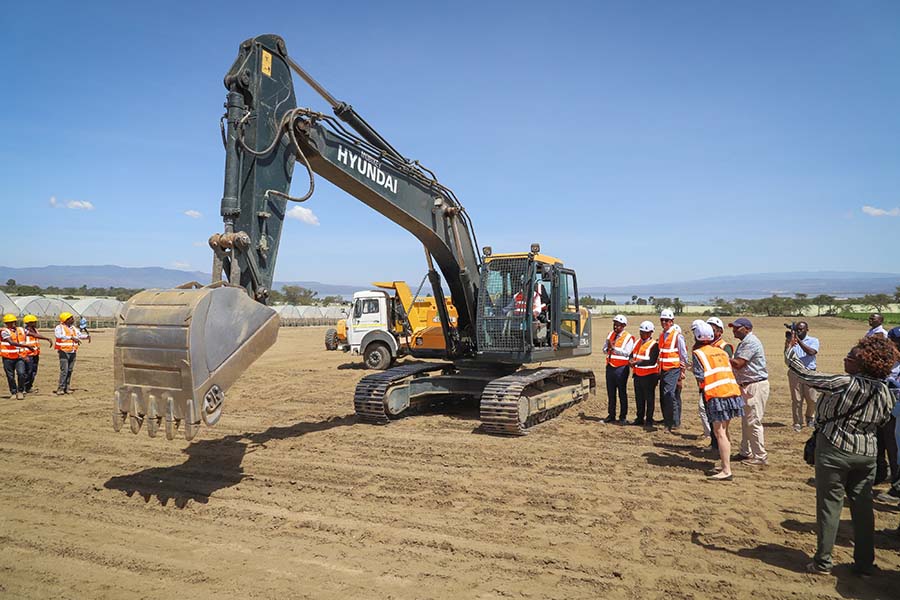
Flamingo Horticulture Kenya Ltd. recently commenced a major expansion project at its Naivasha facility. This milestone promises to strengthen Kenya’s horticultural export platform, unlock thousands of jobs, and deepen private capital investment in agriculture.
The launch, presided over by Agriculture and Livestock Cabinet Secretary Mutahi Kagwe, came amid government policy reforms aimed at boosting the competitiveness of Kenya’s agricultural exporters and easing long-standing cash-flow constraints in the sector.
From Raw Exports to Value-Added Products
Flamingo Horticulture, a subsidiary of the global Flamingo Group International Ltd, has long been a significant player in Kenya’s flower export industry. Over the years, the company has built deep capacity in rose cultivation and packing for markets in the United Kingdom and Europe, with operations spanning thousands of hectares across Naivasha and other highland regions.
This latest phase of investment marks a strategic shift, rather than exporting primarily raw stems, Flamingo is scaling up packed-at-source bouquets, a value-added product that allows Kenya to retain more of the economic benefits of its horticultural exports. By doing so, the company aims to bypass European auction houses and improve export revenue margins.
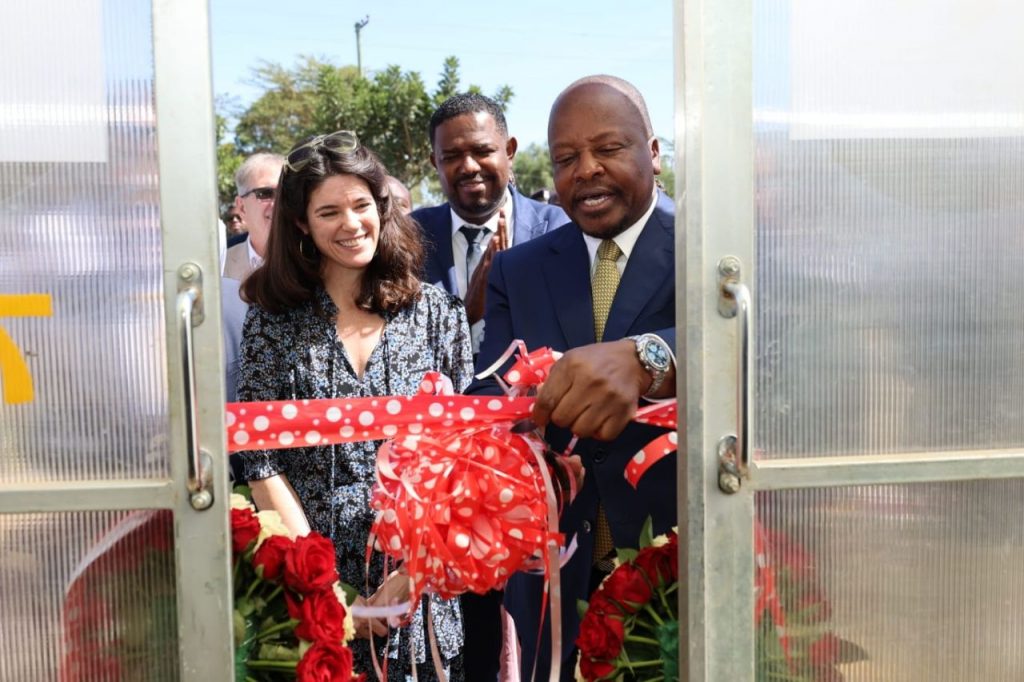
Olivia Streatfeild, Group CEO of Flamingo Group International, highlighted the significance of this transformation: “This collaboration between Flamingo, the Government of Kenya, and our UK and European retail customers creates a formidable growth opportunity for Kenya’s bottom-up economy.”
Job Creation and Community Impact
The expansion is expected to create around 2,000 new direct jobs, supporting an additional 12,000 dependents across the horticulture value chain. These positions will be centred not only on cultivation and packing but also on new functions tied to quality control, logistics, and compliance with global market standards.
For a country where horticulture is a cornerstone of export revenue, generating billions in foreign exchange and directly employing tens of thousands of workers, such job creation is significant. Beyond direct employment, the project is also projected to benefit outgrowers, smallholder partners, and local supply networks clustered around Naivasha.

Government Support Through Policy and Finance
A key enabler of the expansion has been government action on tax refunds and incentives. Long-standing delays in the release of Value Added Tax (VAT) refunds had constrained reinvestment by exporters across horticulture, tea, coffee, and livestock sectors. At the Flamingo launch, CS Mutahi Kagwe confirmed that the government had disbursed KSh 470 million toward the company’s upfront refund claims, part of a broader backlog of KSh 1.8 billion and pledged further payments to clear verified claims.
Kagwe emphasized that proposed changes in the Finance Bill 2026, including VAT cuts on key inputs, removal of excise duties on packaging, and expedited refund processes, are intended to strengthen Kenya’s export competitiveness and provide predictability for investors.
Strengthening Quality Standards and Market Access
The government’s focus on export facilitation also extends to regulatory compliance and quality assurance. The Kenya Plant Health Inspectorate Service (KEPHIS) recently reported that the floriculture industry continues to maintain strong phytosanitary compliance, exporting more than 60 million flower stems daily to global markets with minimal interceptions.
It is through aligning quality systems with stringent international requirements that Kenya aims to safeguard market access in the EU and UK while building trust with international retailers, a crucial foundation for Flamingo’s expansion strategy.
The Flamingo Naivasha expansion underscores Africa’s largest economy’s evolving agricultural narrative: moving from commodity-driven export models toward integrated, value-added production that captures a greater share of the global value chain. It also reflects an increasingly collaborative investment environment, where private capital, government incentives, and international market partnerships converge to drive growth.