
December 11, 2025
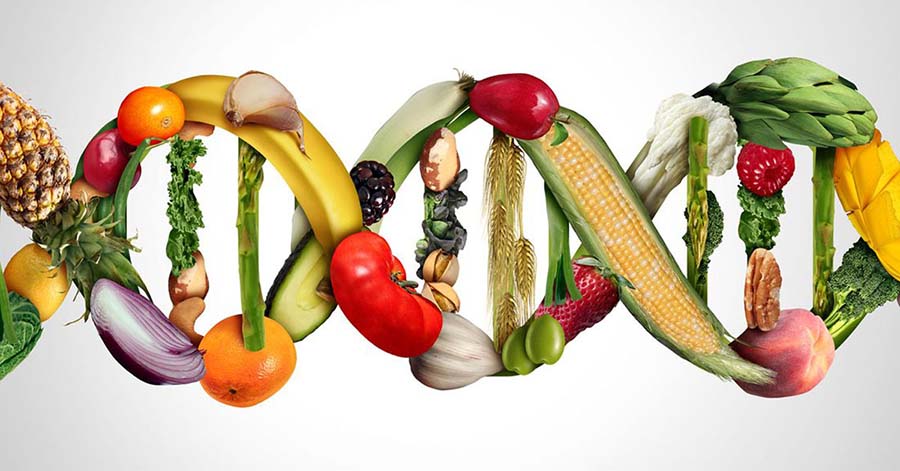
The European Union has achieved a landmark regulatory agreement that paves the way for gene-edited fruit and vegetable varieties to enter commercial markets, distinguishing them from traditional GMOs and easing stringent oversight. Reached after intense negotiations between EU member states, the European Parliament, and the Commission, the deal categorizes new genomic techniques (NGTs) into two groups: simpler edits mimicking natural mutations will face conventional crop rules without mandatory GMO labeling, while complex changes like herbicide resistance remain under strict GMO regulations. This framework, pending formal approval, promises climate-resilient produce requiring fewer pesticides and fertilizers, addressing Europe’s agricultural challenges amid global food security pressures.
The agreement exempts many NGT plants from GMO risk assessments, labeling, and traceability mandates, treating them like traditionally bred crops since they avoid foreign DNA insertion. To counter patent concerns, developers must disclose information in a public database, and farmers retain rights to save and replant seeds, preventing monopolization. Denmark’s Food Minister Jacob Jensen, leading the EU presidency, hailed it as enabling plants better adapted to climate change, while farming group Copa-Cogeca called it a historic Green Deal win for practical farmer solutions.
This clears paths for gene-edited tomatoes, strawberries, and other produce resistant to diseases or droughts, accelerating breeding timelines from years to months via tools like CRISPR/Cas. AgriTechMEA notes initial approvals for commercial use, positioning Europe to catch up with leaders like the UK, where Precision Breeding laws since 2023 streamlined NGT approvals. BIO Germany’s Viola Bronsema praised the compromise for equipping breeders with tools to enhance productivity, nutrition, and pest resistance, long overdue after two decades of biotech stagnation.
The UK pioneered this shift with its 2025 regulations, creating a science-based system that contrasts Europe’s caution, while the US and others have long embraced gene editing. The EU’s move aligns with calls from Euroseeds and 26 food associations urging swift NGT adoption to boost competitiveness under AfCFTA-like pressures. Earlier 2023 Commission proposals faced backlash for deregulation, but this balanced trilogue maintains safety while fostering innovation.
Environmentalists like Friends of the Earth decry it as a “free pass” for biotech, warning of ecosystem risks and consumer choice erosion without labels. Critics argue long-term health impacts remain unproven, echoing GMO debates, though proponents cite natural mutation parallels. The European Commission welcomes it for resilient farming and reduced external dependencies, but final votes could refine safeguards.
This milestone ruling could transform EU horticulture, enabling drought-tolerant apples or nutrient-rich peppers, but hinges on parliamentary and council endorsement. As climate threats intensify, it balances innovation with precaution, potentially reshaping global seed markets.