
February 12, 2026

Bʏ Mᴇᴋᴏɴɴᴇɴ Sᴏʟᴏᴍᴏɴ ⁽MOA⁾
In the expansive and challenging landscape of Ethiopia’s South Omo region, where the Omo River provides a vital resource to arid plains and meets the northern shores of Lake Turkana, the largest desert lake in the world, emerges a symbol of innovation and resilience. Fri-EL Ethiopia Farming and Processing PLC, an agribusiness leader established by Italian investors in 2007 in accordance with Ethiopia’s investment policies, is not merely engaged in banana cultivation; it is orchestrating a harmonious blend of sustainable development, technological advancement, and community empowerment. Operating in the remote Omorate area of Dasenech Woreda, located 800 kilometres from central supply hubs, Fri-EL is transforming geographic challenges into a benchmark for export-driven agriculture that not only appeals to global markets but also supports local communities.
The Allure of a Challenging Frontier
Omorate’s landscape is a study in extremes: sun-baked soils under relentless heat, seasonal floods that surge without warning, and winds that whip across the terrain like untamed forces. Here, Fri-EL operates without the luxury of national grid electricity, relying instead on a hybrid system of diesel generators for night-time needs and high-cost imported solar panels during the day—expenditures that tally tens of thousands of dollars. Logistics amplify the drama: exporting premium bananas demands a 1,500-kilometer journey to ports or neighbouring Djibouti Somaliland, a testament to the sheer willpower required to thrive in this isolated enclave.
Yet, it’s this very remoteness that endows Omorate with unparalleled advantages. The Omo River’s fertile banks offer abundant water for irrigation, alluvial soils rich in nutrients, and a microclimate ideal for high-value crops. Positioned near the Ethiopia-Kenya border, the area emerges as a natural epicenter for export-oriented agriculture, where Fri-EL has secured a 70-year lease on 10,000 hectares. Currently, 3,000 hectares are developed with 1,400 dedicated to banana cultivation and plans for an additional 2,000 hectares focused on cotton, alongside trials in vegetables, fruits, spices, and oilseeds. This diversification isn’t mere strategy; it’s a seductive blend of resilience and foresight, ensuring the company dances gracefully amid market fluctuations.
Fri-EL’s banana program, centring on the premium Cavendish variety—especially the sought-after Grand Nain—embodies this allure. Tailored to the discerning palates of European and Middle Eastern buyers, these bananas boast superior quality, with weekly exports hitting 200 tons to Dubai alone. Additional shipments grace markets in Saudi Arabia , Addis Ababa, Somaliland, and beyond, generating vital foreign exchange while showcasing Ethiopia’s potential as a global agricultural player. In a world hungry for sustainable sourcing, Fri-EL’s produce isn’t just fruit; it’s a narrative of ethical excellence wrapped in tropical temptation.
Technological Elegance Amid Rugged Terrain
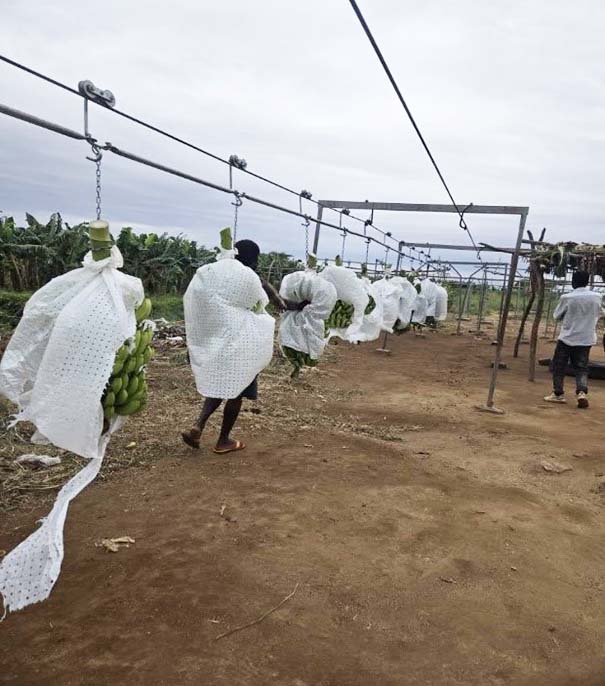
What elevates Fri-EL from a mere plantation to an agribusiness icon is its seamless fusion of cutting-edge technology with environmental harmony. At the forefront is a pioneering 20-kilometre aerial cable-car harvesting system, one of East Africa’s most advanced. This engineering marvel gently ferries banana bunches from field to packhouse, minimizing bruising, extending shelf life, and slashing labour demands across the uneven landscape. Imagine clusters of golden fruit gliding through the air, untouched by rough hands or bumpy roads, a process that ensures every banana arrives in pristine, export-ready condition.
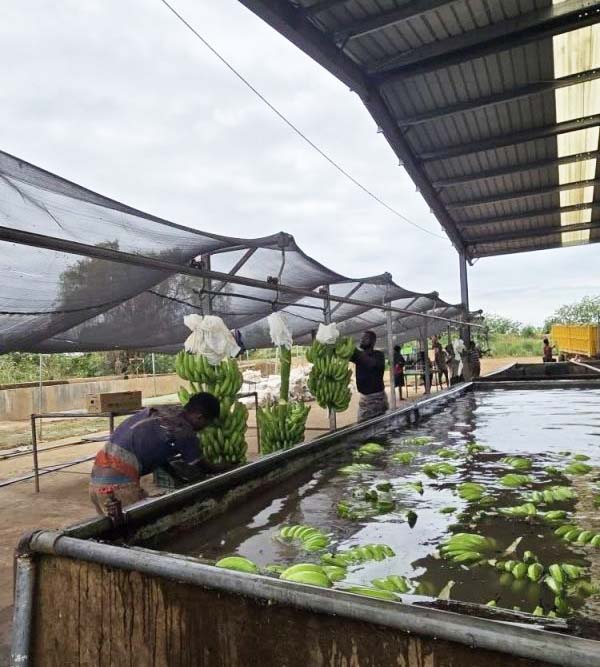
Complementing this is a state-of-the-art packing station, outfitted with precision grading, washing, and cold-chain facilities that adhere to the strictest international standards. Irrigation, drawn sustainably from the Omo River, optimizes water use in a region where the river sustains not only crops but also the downstream ecosystem of Lake Turkana. These innovations aren’t flashy gimmicks; they’re smart, sound investments that maximize yields while minimizing ecological footprints, proving that profitability and planetary care can entwine in a mutually enhancing embrace.
The scale is impressive: over 1,400 hectares under banana cultivation, with expansion ongoing. Harvesting, transporting, grading, and packing such volumes manually would be a herculean task, yet Fri-EL’s systems turn chaos into choreography. This technological sophistication addresses the inherent challenges of manual labour in a vast operation, where timeliness is everything. By reducing physical strain and enhancing efficiency, Fri-EL not only boosts output but also creates a workplace that’s as intelligent as it is inviting.
Empowering Communities: From Dependency to Dignity
Beyond the fields and factories, Fri-EL’s story is profoundly human. In a semi-arid zone where the Daasanach people have long relied on aid and climate-sensitive resources like pastoralism, the company is scripting a transformative tale. Employing over 2,950 workers, predominantly from local Daasanach and semi-pastoralist communities, Fri-EL tackles chronic labour shortages and high turnover with an innovative integration model. This isn’t token inclusion; it’s a strategic synergy that empowers individuals while fortifying the operation.
Comprehensive training programs, led by agronomists, span the full banana production cycle: soil preparation, planting, irrigation, integrated pest management, harvesting, and post-harvest handling. Residents emerge not as mere laborers but as skilled professionals equipped with globally competitive expertise. Women and men alike gain tools to thrive, diversifying livelihoods and reducing dependence on scarce natural resources, a move that eases tensions among border communities prone to resource-driven conflicts.
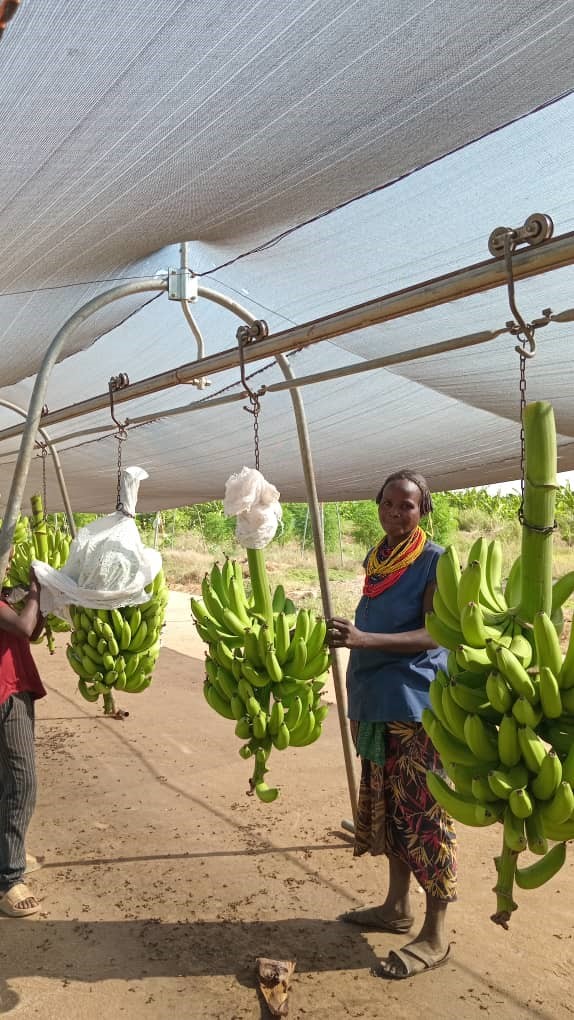
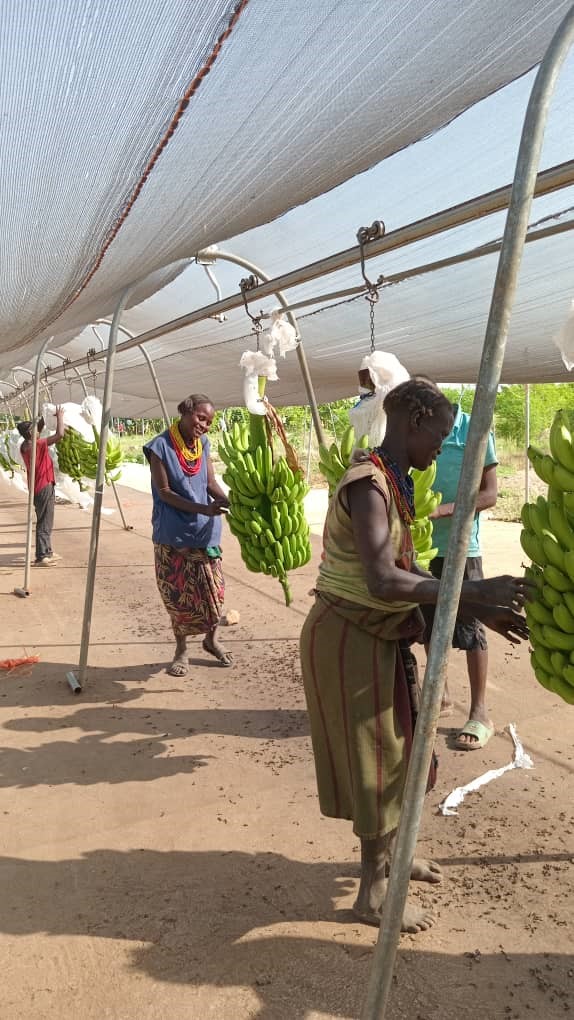
Fri-EL’s commitment deepens further. Dedicated land allocations enable community-managed crop production, forage, and facility development, bolstering food security and livestock systems. Indigenous groups cultivate high-value crops independently, building economic assets that foster true partnership over paternalism. This approach isn’t just sound policy; it’s a smart investment in social capital, creating a ripple effect of resilience and hope in South Omo.
In an environment where pastoralism meets modernity, Fri-EL stands as a model for other farms grappling with remote labour woes. By prioritizing local engagement and skill-building, the company cultivates not only bananas but also aspirations, turning a historically marginalized region into a hub of opportunity. It’s a narrative that’s as inspiring as it is intelligent, demonstrating how agribusiness can seduce communities into sustainable progress.
Overcoming Shadows: Renewal and Resilience
No success story is without its trials. Fri-EL’s journey has navigated earlier hurdles of disorganized management, inefficiencies, and resource siphoning that clouded operations. These issues, once a fog of chaos, were dispelled through decisive leadership renewal. Streamlined workflows, fortified administrative controls, and robust sustainability frameworks have restored clarity and momentum, allowing the company to pursue ambitious expansion with confidence.
Today, Fri-EL’s diversified portfolio underscores this resilience. While bananas reign as the centerpiece, symbolizing the Omo River corridor’s untapped potential—cotton with integrated ginning provides a sturdy backbone. Ongoing trials in other crops ensure adaptability, hedging against risks in a volatile climate. This multifaceted strategy isn’t reactive; it’s a proactive, sound blueprint for long-term viability, blending economic ambition with environmental and social responsibility.
The result? A flagship enterprise that generates foreign exchange, creates dignified jobs, and catalyses inclusive rural development. In Omorate, Fri-EL isn’t merely farming; it’s architecting shared futures, one harvested bunch, one trained farmer, one exported container at a time.
A Beacon for the Horn of Africa
Fri-EL Ethiopia’s journey in Dasenech Woreda exemplifies how adversity can birth courage. By harnessing the Omo River’s gifts—abundant water, fertile soils, and strategic location—the company delivers premium products to discerning global markets while embedding sustainability at its core. Its model integrates technology, like the aerial cable-car, with stewardship, nourishes both agriculture and ecosystems.
As Ethiopia eyes agricultural frontiers, Fri-EL sets a compelling standard for the Horn of Africa. It’s a story of determination, where Italian investment meets Ethiopian potential, proving that even in remote corners, transformation blooms. With continued support, public and private, Fri-EL could scale to create thousands more livelihoods, amplify foreign earnings, and inspire a wave of sustainable agribusiness.
In essence, Fri-EL Ethiopia new administrative reform is a masterclass in seductive sustainability: professional in execution, smart in strategy, sound in principles, and irresistibly good for all stakeholders. From the sun-drenched fields of Omorate to the bustling ports of Dubai and Saudi Arabia it’s a testament that hope, harvested wisely, can redefine possibilities.
| About the Author |
|---|
| Mekonnen Solomon is a professional working In the Ministry of Agriculture of Ethiopia |