
Kenya’s fresh produce sector — long a cornerstone of rural livelihoods and a key foreign exchange earner — is facing an unprecedented challenge. Vegetable exports and earnings to the European Union (EU). Behind these stark numbers lies a story of compliance pressures, post-harvest inefficiencies, and regulatory shifts that are reshaping Kenya’s place in global horticulture.
At the heart of the crisis are stricter EU pesticide regulations. Amendments to Regulation (EC) No. 396/2005 delisted over 30 commonly used active substances, reducing farmers’ options for crop protection. Beyond pesticides, buyers now demand full traceability, microbial safety, grading consistency, cold-chain integrity, and accurate documentation. For many Kenyan farmers and exporters, meeting these requirements has become a daily challenge.
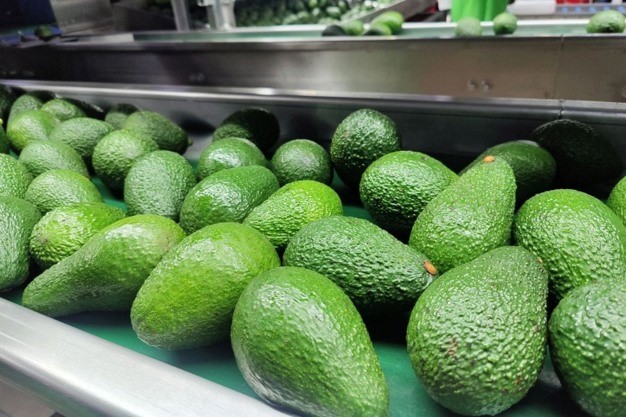
Despite these hurdles, Kenya’s production remains robust. Across the country, high-value crops flourish. Fresh produce is lost due to weak aggregation, poor storage, and limited access to accredited testing. High-quality crops often rot in transit or are rejected at ports, eroding the gains of careful cultivation and investment.
The regulatory environment is shifting rapidly.
The European Green Deal and the Farm to Fork Strategy are pushing for stricter sustainability and safety standards, requiring enhanced pesticide management, traceability, and documentation. Kenya’s response capacity, however, is constrained.
Agricultural Field Extension officers frequently have minimal knowledge of EU standards. Laboratories are scarce outside Nairobi, forcing farmers to send samples long distances at high cost and with inevitable delays. Water quality issues, microbial hazards, and pests like the False Codling Moth further increase export risk.
So how can Kenya overcome these bottlenecks?
Export Supply Hubs offer a compelling solution. These are integrated centres that provide cold storage, pesticide residue testing, inspection services, certification counters, and digital traceability systems under one roof. Pilots have shown that hubs can reduce compliance costs, accelerate inspections, and improve market credibility. When scaled across horticulture clusters, they can serve producers across neighbouring counties, creating predictable, reliable pathways to high-value markets.
However, the success of these hubs depends on county-level governance. Counties, constitutionally responsible for agriculture, must be equipped to oversee operations, support extension services, and deploy mobile labs and digital tools suitable for rural contexts. Compliance cannot succeed as a top-down intervention; it must be integrated into local systems and supported by trained personnel.
The private sector and development partners also play a critical role. Compliance must be treated not as a sunk cost but as a strategic investment in market access and pricing power. Shared infrastructure, farmer training, and traceability systems embedded into supply chains can drive long-term returns. Programmes such as the EU’s Business Environment and Export Enhancement Programme, implemented with TradeMark Africa, are already helping county governments address these bottlenecks, upgrade infrastructure, and expand market reach.
Looking beyond Europe, Kenya’s compliance improvements also position it to take advantage of the African Continental Free Trade Area (AfCFTA).
Harmonised SPS protocols across member states create opportunities for regional leadership. By establishing science-based, verifiable compliance systems, Kenya can become a model for fresh produce exports across Africa, supporting both intra-continental and global trade.
Ultimately, Kenya’s horticultural sector has enormous untapped potential. The challenge is not production, but turning compliance into a capability rather than a barrier. For exporters, this means integrating standards into production, post-harvest handling, and logistics. For policymakers, it means building predictable, cost-efficient compliance systems that empower farmers, reduce waste, and safeguard trade. With strategic investments, public-private collaboration, and regional coordination, Kenya can not only reclaim lost EU markets but also secure a stronger, more resilient position in global horticulture, protecting livelihoods and sustaining rural economies for years to come.