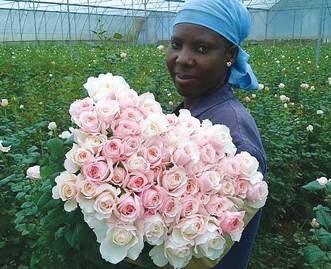
 Kenya will continue enjoying duty-free and quota-free access for its goods to the European Union (EU) even if neighbouring countries fail to approve the Economic Partnership Agreements (EPAs).
Josiah Rotich, the chief trade development officer at the Trade ministry, said that Kenya will, however, not enjoy other benefits that come with the EPA until all East African Community (EAC) partners ratify the deal.
Among the benefits that will remain pending is the rules of origin, a provision that allows Kenyan exporters to enjoy dutyfree access to the European market despite their goods being made using raw materials sourced from other countries.
“On the basis of Kenya ratifying the agreement, the country will continue benefiting from the duty-free, quota-free access for as long as we are still trying to sort ourselves out at the EAC level,” Mr Rotich said during a roundtable meeting organised by the Institute of Economic Affairs (IEA).
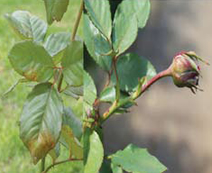 Rose growers have a relatively benign group of insect pests to deal with and so focus most of our pesticidal attention on the fungal disease — powdery mildew — that seem to bedevil us on a yearly basis. However, every few months, we are confronted with a far more virulent fungicidal invader known as downy mildew. Downy mildew is a fairly common term as far as plant diseases go.
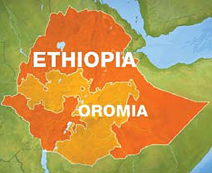 Mounting violence in Ethiopia has seen many killed, as protests against the government’s economic and human rights policies continues. The tensions at the heart of the crisis are systemic ones, yet what makes the violence particularly worrisome is that foreign investors have become prominent targets. Foreign businesses are being systematically attacked in protest of the government’s development-centric approach, with protesters citing land grabs and unfair competition as key issues.