
Brexit is still causing a stir in Great- Britain, including among growers, who have been talking a lot about the UK’s upcoming departure from the EU the last couple of months. The structure, distribution channels and staffing needs of a company seem to play an important role in the entrepreneur’s opinion about Brexit.
“I’m really disappointed that the majority of the population voted in favour of leaving the EU”, says Matthew Smith of Brighter Blooms in Preston. “My preference was to stay; operating alone isn’t good for our economy. International business is going to be more complex without a doubt, it’s going to involve more paperwork for example. And we may have to start paying import duties on products from abroad.”
 Family, staff, friends and relatives gathered at the Oserian Stadium in Naivasha on December 20, 2016 to celebrate the life of the pioneer of the Kenya flower industry Johannes Ewaldus Maria Zwager popularly known as Hans Zwager who has passed on at the age of 90. Hans Zwager founded leading flower export farm, Oserian Development Company in the early 80s marking the beginning of a business which would drive an industry to grow into one of the top export earners for Kenya – a key employer and driver of a major socialeconomic transformation in the region. An estimated two million people depend on the flower industry today through direct and indirect employment at both the farm and across the value chain.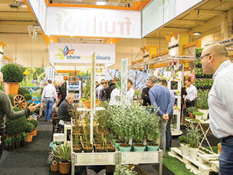
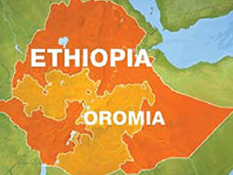 2016 has been a very tough year for Esmeralda Farms. Last June, Peter Ullrich, founder and driving force behind one of the largest floricultural companies in the world, passed away. In August, their farm in Ethiopia was attacked by rebels. Present owner Clarisse Ullrich decided subsequently that Esmeralda would cease their activities in Africa. And the office in Aalsmeer, the Netherlands, was shut down as well. In the beginning of December, Clarisse Ullrich tells her story.
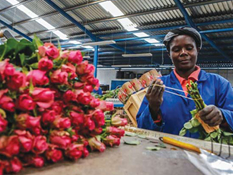 The Kenyan flower industry has been spared decline thanks to a permanent Market Access Regulation between the EU and Kenya. Union Fleurs and the Kenya Flower Council’s great efforts have contributed to the import duty exemption currently in place for Kenyan flowers exported to the European Union since 1 October 2016.
 Horticulture is showing that it is largely stable and optimistic in spite of the many economic and political uncertainties on the markets. Notwithstanding Brexit, the embargo on Russia and terrorism, the flower and plant worlds are continuing to revolve even if not always in the traditional orbits.