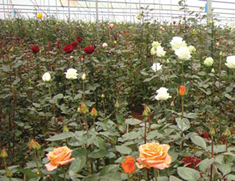
Mt. Kenya region is extremely scenic with the escarpment giving way to dramatic wooded gorges and tangled riverine thickets. Behind the scenery flower farming is a big business. Maurice Koome Writes.
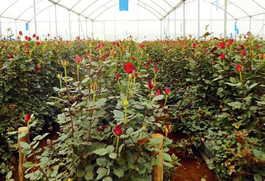 Due to the diverse range of habitats, Laikipia hosts an abundance of wildlife, second only to the Masai Mara in Kenya. It has significant populations of predators and also the “big five”, with over 50% of Kenya’s Black and White Rhinos, thousands of elephants, about 25% of the world’s Grevy Zebras, and an increasing population of Wild Dogs. The focus of wildlife viewing here is in Lewa Wildlife Conservancy.
More than great Scenery
When I first met Mr. Kanyingi, Editor Floriculture Magazine in one of our product launches at a Nanyuki Hotel, he was full of lamentations. “Mt. Kenya is more than Snowy Mountain”, I answered. “Yes I know, it is the most accessible, and popular with Johnnies. The Timau and Nanyuki triangle is characterised by diverse landscapes, rolling hills interrupted by rocky outcrops intricately merged into beautiful scenery reminiscent of a canvas painting.
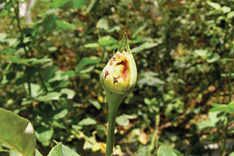 Thrips are minute, slender insects, usually only a few millimetres long with piercingsucking- mouthparts and the ability to cause direct damage to flowers making it unmarketable for export.
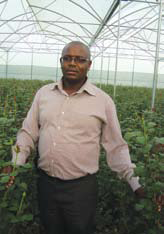 You might think of Nakuru as an ultimate “Cereal region” by victim of being the Kenya’s biggest producer of barley and wheat, but over the past one decade it has become famous for a rather more fragrant crop.
 The 30 Dutch Flower Group companies operate worldwide, including in Kenya, Zimbabwe, Ethiopia and Uganda. This globally operating horticulture concern from the Netherlands is keen to put something back in the local communities in areas where they operate. When Dutch Flower Group was established in 1999, the management board immediately set up its own foundation, through which Dutch Flower Group supports a range of local projects, including in Africa. “The establishment of Dutch Flower Foundation ensured that from the start in 1999 we were able to support projects financially,” according to Dutch Flower Foundation’s chairman Boudewijn Rip. “We do this mainly in areas where the growers we work with are situated. We also support projects in areas where Dutch Flower Group companies are situated and in regions where our employees live.”