
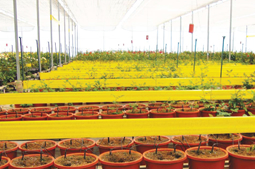
 The Global Biopesticides Market was valued at USD 3147.1 million in 2018 and is expected to register a CAGR of 14.1% during the forecast period (2019-2024). Of all the regions, South America is expected to witness the fastest growth in the forecast period, recording a CAGR of 16.4%. In addition, the United States is likely to be the largest individual market over the forecast period.
While the prevalence of chemical or synthetic pesticides in crop protection continues; human, animal, and environmental health concerns are still playing key roles in driving the growth of biopesticides. Several countries are adopting a stringent approach concerning the amount of imports, with a special focus on regulating the quantity of pesticide residues. Emerging economies in Asia-Pacific are likely to take the lead in the adoption of biopesticides.
Biopesticides are certain types of pesticides, derived from natural materials as; animals, plants, bacteria, and certain minerals. It is important to take into consideration both microbial and organic pesticides. The market is broadly segmented into bioinsecticide, bioherbicide, biofungicide, and others. This presents a wideranging analysis of market share, size, and volume of the biopesticide market on a global scale.
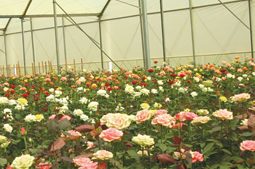 The Agriculture Industry, which is the backbone of our economy, is facing multiple threats from the growth of fake pesticides. According to a latest study conducted, the fake pesticides industry in India was estimated at billions of US dollars globaly, which account for 25 per cent by value and 30 per cent by volume of the domestic pesticides industry . The Study indicates that this market is expected to grow at the rate of 20 per cent per annum in terms of value, and if not addressed, can reach to approximately 40 per cent share by value in the pesticides industry by 2019. The problem is extreme in many countries including Kenya.
 The Export Promotion Council (EPC) held the 1st inaugural Kenya Exporter of the Year Awards (KEYA) on 15th July 2019 at KICC aimed to recognize firms that have made significant contribution to the development of the economy through exemplary business performance.
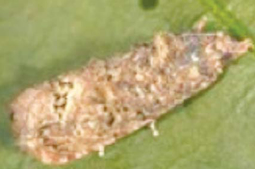 Alittle animal causes a big fuss in the ornamental and horticultural industry today. Dutch media reports on how an increase in the discovery of the false codling moth (Thaumatotibia leucotreta) in roses imported from Kenya and Tanzania could form a threat to floricultural trade. But what is going on?
 Ask those who work in the floral industry, “why do people buy flowers?” and you will get numerous answers delivered with great confidence. Some of these answers may even be correct. However, we can’t be certain which ones are the real reasons consumers buy flowers. Turns out, asking consumers such a direct question will not reveal the most accurate answers.
 Corteva Agrisciencies opened the third in a series of new offices in Africa, parts of plans to increase sales on the continent within the next few years. The growth plan are based on two-pronged strategy that centres around offering technical support and experience to farmers and other agricultural professionals locally.
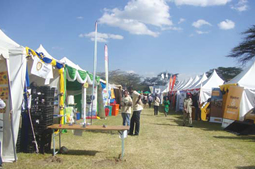 Even though the rose industry has been under pressure over the last year, the attendance at the Naivasha Horticultural Fair does not seem to be affected. As statistics show, this year it even seems to become the biggest edition so far. “It is once again receiving plenty of bookings certainly on par with other years”, says Naivasha Horticultural Fair Chairman Richard McGonnel.