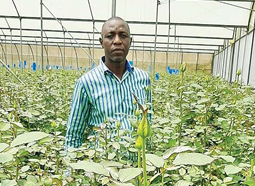
Mealybugs pose a serious threat to growers in warmer climates as they can significantly reduce the productivity and yield of greenhouse crops. But lessons-learnt from greenhouse rose farms in Kenya demonstrate that it is possible to manage Mealybugs when the right tactics are deployed, such as early intervention supported by an effective scouting system, writes Edwin Kiptarus and Simon Kihungu
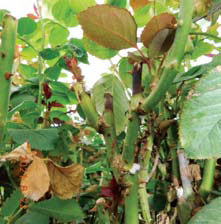 Mealybugs have taken on a renewed significance with the recent arrival and rapid spread in Kenya of the Papaya mealybug, Paracoccus marginatus. Although not the same species as the Coffee mealybug, Planococcus kenyae, generally found on roses in Kenya, both are quarantine pests that have the potential to spread viruses along fresh cut flower pathways. Other Species of Mealybugs that affects ornamentals are: Common examples include the long tailed mealybug (Pseudococcus longispinus), which has characteristically long waxy filaments that protrude from the end of the abdomen, and the obscure mealybug (Pseudococcus viburni), which also has waxy filaments, but they are much shorter in comparison to the longtailed mealybug. Citrus mealybug (Planococcus citri), lacks any waxy filaments and has a gray stripe that extends the length of the body. The differences are shown in the image below:
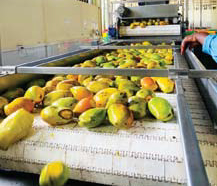 Makueni is the leading county in mango production contributing up to 31 per cent of the total fruits that Kenya produces. “Right now the amount exported is two per cent of the total production of 184,000 tonnes produced annually, which is a small fraction,” said Robert Kisyula, the then CEC Agriculture, Makueni.
 In the run-up to Mother’s Day, Royal FloraHolland could not only report on the good turnover on our market place, but could even report a week record turnover of over 170 million euros. This is partly thanks to the clock. The average price of cut flowers went through the ceiling. The share of the clock has declined in small steps in recent years to 40% last year. But cut flowers are still for the most part traded on the clock. The clock share of cut flowers in terms of turnover is 60% and in terms of volume 54%. This shows that the prices for cut flowers are higher on the clock than in the direct streams.
 UPL Ltd has continued to deliver successful product innovations. This time they organised a very successful virtual training on Vacciplant, an innovative Biofungicide against powdery mildew in Ornamental crops and Snowpeas. Timely and almost audio-recorded voice of Lara Ramaekers, a UPL Biosolutions Specialist, greeted the air as she took growers through the innovation.
  Like many industries, floristry and floriculture are rapidly evolving as technology and farming practices further evolve in the 21st Century. Below are key floristry and floriculture industry statistics and trends highlighting the shifts in production, employment, consumer sentiment, and floristry practices globally. In addition, the impact of Covid-19 will present numerous short term and long-term challenges to the industry as a whole.
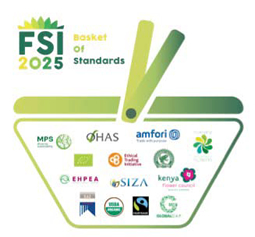 Starting 1 January 2021, the FSI Basket of standards has a third scope. The GAP and Social scopes are complemented with an Environmental scope. With IPM and reliable record keeping at the centre, this new scope will offer growers and their supply chain partners capacity to keep the sector future-proof.
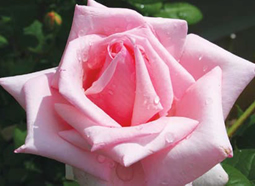 loriculture has emerged as a viable diversification option in the agri-business. It is a rapidly expanding dynamic industry recording a growth rate of more than 15 per cent per annum in the last two decades. Rapid urbanization, increased income levels and changes in social values resulted in increase of export market for cut flowers. Improvement in the general level of well being and increased affluence particularly among the middle class is also another reason for increase in the volume of local flower market.
 Changing market conditions