
Helicoverpa Armigera (African Bollworm) Caterpillars In Flowers
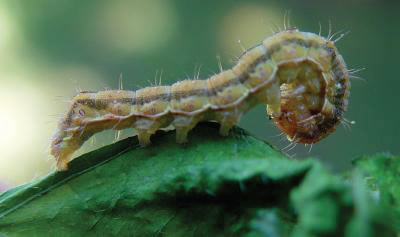 Caterpillars are seasonal pests to the flowers but when in season result in major losses to the flower industry as one caterpillar can cause damage to more than one flower. In flowers there are different kinds of caterpillar species which include helicoverpa armigera and spodopteraexigua and thus it’s important to know the exact pest that one has in their crop and out of these two, the helicoverpa species is the notorious and listed as a notifiable pest in the European market.
Description
Helicoverpa armigera commonly known as African bollworm is the main caterpillar that infests flowers in green houses and outdoor ones. It is a pest of roses, carnations, hypericum, gypsophilla amongst other flowers. It is a moth with the larval stages referred to as caterpillar being the destructive stage. It is unique in that the moth lays its eggs singly on the roses and specifically on the softest parts of the crop. In roses the eggs are found on the flower buds and petals. The eggs are small, yellowish-white, ribbed and rather dome shaped. The egg period is two days after which it hatches to a larva- the caterpillar.
 The International Flower Trade Expo (IFTEX) now enters its third year in Nairobi, Kenya, with high expectations on both quality and quantity from the organizers, exhibitors and visitors. The show, which debuted in March 2012, is quickly developing a magnetic pull for the flower industry fraternity not only in Africa but the world over.
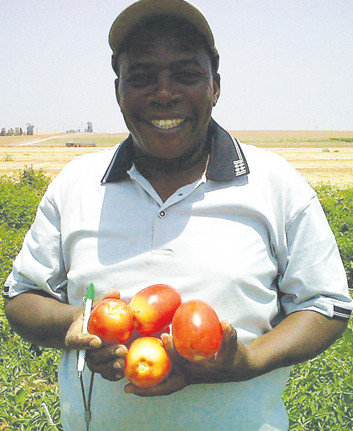 Briefly discuss Wilfred Muthamia (background and chief agronomist Amiran Kenya Ltd) I was brought up in a farming community and had keen interest in Agriculture since my early childhood. For instance I headed the 4K club (Kungana, kufanya, kusaidia Kenya) where we practiced vegetable growing and rabbit keeping.
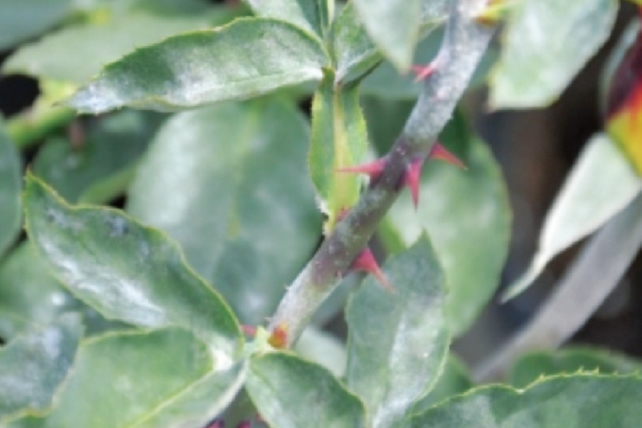 Powdery Mildew BluesThe farmers’ constant nuisance Powdery mildew has since time immemorial wrecked havoc to the farmers and still with the modern science continues to be an headache among farming communities, dare ask a Rose grower, cucumber, mango, strawberry to name but a few, which disease consumes their time, labor and resources more, surely he/she will not forget powdery mildew.
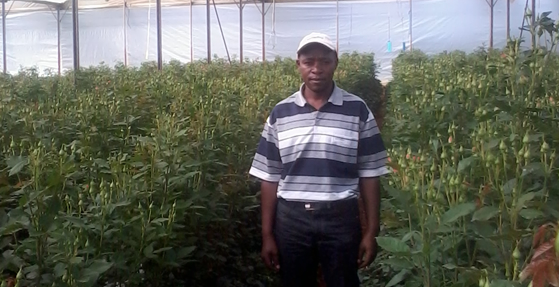 All of the management positions in flower business contribute to the overall success of the operation. Perhaps none has a more direct hand in the ultimate quality of the company’s product, however, than the head grower. It’s a position that has evolved over time from skilled plantsman to grower, trainer, communicator, business manager and leader.
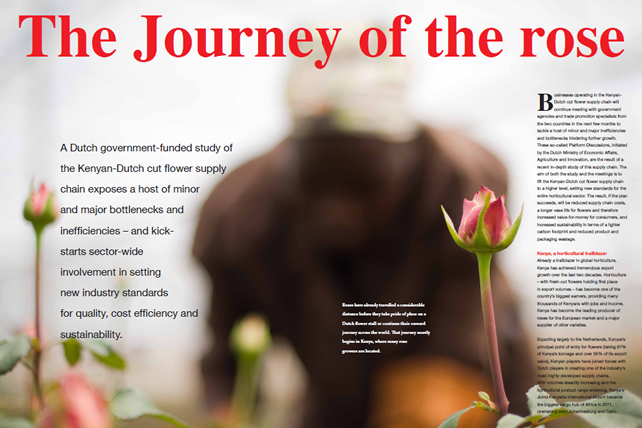 Businesses operating in the Kenyan-Dutch cut flower supply chain will continue meeting with government agencies and trade promotion specialists from the two countries in the next few months to tackle a host of minor and major inefficiencies and bottlenecks hindering further growth. These so-called Platform Discussions, initiated by the Dutch Ministry of Economic Affairs, Agriculture and Innovation, are the result of a recent in-depth study of this supply chain. The aim of both the study and the meetings is to lift the Kenyan-Dutch cut flower supply chain to a higher level, setting new standards for the entire horticultural sector. The result, if the plan succeeds, will be reduced supply chain costs, a longer vase life for flowers and therefore increased value-for-money for consumers, and increased sustainability in terms of a lighter carbon footprint and reduced product and packaging wastage.
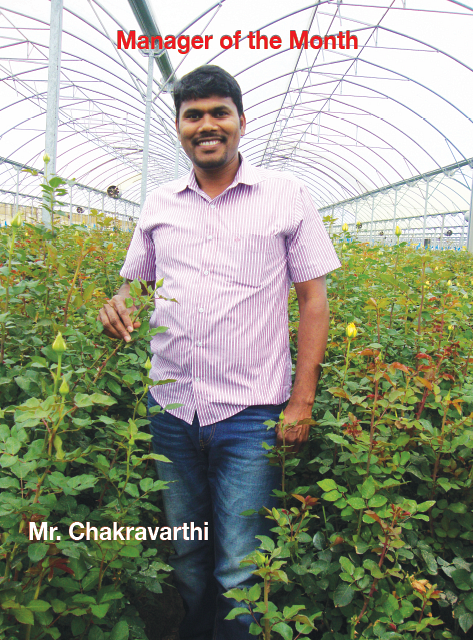 Chakravarthi : The Grower.
 Naivasha flower farms that subscribe to Fairtrade (FLO) standards and are Fairtrade certified have completely changed the image of the District hospital maternity wing. Initially it was an image of 20 women in labour crowded in one central room quietly moaning and swaying until it is their time to go to one large delivery room to deliver in a cot-directly next to another mother giving birth. To date, it is one of the nicest African facilities handling over 500 deliveries monthly. Women and new borns can now enjoy privacy, respect and safety they deserve during their birth experiences.
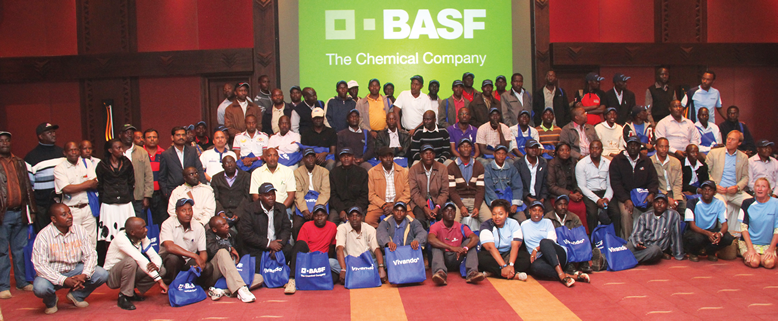 Viva… Viva… Vivando, Viva… Viva… Vivando, filled the air as one of the biggest chemical companies in the world, BASF, launched a creative mode of action with cutting edge technology for the control of powdery mildew in ornamentals. Time almost audio recorded voice of Mr. Patrick Ngugi, Country Manager-Kenya, Crop Protection and public health asked, “Are you afraid of powdery mildew? Are you concerned by the ever increasing threat of resistance build up by fungicides? Are you concerned of scotching flowers and leaving residue? Are you concerned of WHO class of your choice product, Can you achieve your goals in farming without IPM? Do you use wetter from time to time?” Each of the questionreceived a resourcing ‘Yes’ from the over 150 growers in attendance. Today I stand in front you to offer your solution, Vivando.