
By Robert Wachira
 Towards the end of the 19th Century, a major breakthough in fungal control of diseases was accidentally discovered in Bordeaux region, France. To wade of passersby from eating his grapes that were along the road, a farmer used a mixture of CuSO4 and lime. This made the sprayed grapes look unpalatable to the passersby. However, to his amazement this grapes were not hit by downey mildew that struck the rest of unsprayed vines that season.
This was the beginning to of a game changer in disease control in what was then to be called Millardet-David treatment. Flash forward, to this day, copper is still being used by farmers across the world to control a wide spectrum of fungal infections and bactreria. Since the Bordeaux Mixture, many other copper formulations have been developed and released for disease control all over the world. Be that as it may, this has not left us without a fair share of problems.
 Briefly discuss Mr. Clement Tulezi (Background and Professional life to your current position)
  Nini Flowers from Kenya was rewarded with the Dutch Flower Group Award last week. Owner Billy Coulson is very proud and feels honoured. ”We didn’t think we would win. We’ve got a strong relationship with DFG, but we didn’t realise we were already in that league. I’m very proud of our team.”
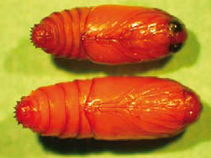 The False Codling Moth (Thaumatotibia leucotreta or FCM) is a threat to many of our flowers fruits, vegetables and other crops. Increased international trade and tourism has increased the risk of introduction of this pest. False Codling Moth can survive in climates described as tropical, dry or temperate. It is estimated that approximately 50 percent of the global environment may be suitable habitat for FCM.
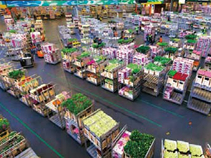 Consumer behaviour is always changing. Sometimes buyers want a good quality plant or bunch of flowers for a low price. At other times they want something very special and purchase price is not an issue. Millennials are driving further growth in online sales. Babyboomers are set to retire and are expected to increase their expenditure on flowers and plants. In the next decade, Rabobank is expecting a 2% growth per year in cut flower and potted plant expenditures in Europe and North America, with Asia growing 6-8% annually. Rabobank expects the growing demand in Asia to be mainly fulfilled by products grown in Asia.
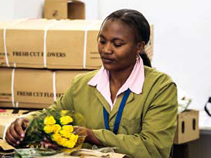 The share of the rejected stems in the Kenyan supply chain from farm to the market with the current packaging is roughly 20% on average. A more standardized box will help us save on this. However growers could not well agree on what should be the first step in piloting a new box. While most agreed that the cost of the box would be the main consideration, others felt processes and handling procedures in the supply chain should dictate the standard box. Floriculture Magazine spoke to some of the industry stakeholders. Below are the excerpts:
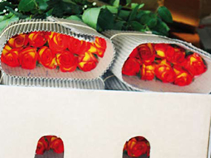 Q : For export, Flowers must be packed. Kindly discuss the importance of quality cartons in packaging of flowers?