
February 05, 2026

The Agriculture and Food Authority (AFA) announced the early reopening of the seasonal harvesting and trading window for macadamia nuts, which began on 1 February 2026, following signs that the crop has achieved physiological maturity in several key growing areas.
The decision comes amid a renewed effort to balance farmers’ economic needs with strict quality standards that underpin Kenya’s reputation in lucrative international macadamia markets.
In late 2025, AFA imposed a nationwide suspension on macadamia harvesting and trade from 1 December 2025, originally scheduled to run through 15 February 2026. The temporary ban, targeting all value-chain actors, including processors, exporters, importers and marketing agents, was intended to curb premature picking and to protect kernel quality, oil content and shelf life, traits which are critical for premium global markets.
During the closure period, AFA intensified monitoring across major production zones to track crop development and ensure compliance with regulations designed to maintain Kenya’s competitive edge in global trade.
Between 19 and 23 January 2026, AFA conducted targeted maturity assessments across key macadamia-growing counties. The surveillance revealed notable differences in crop development across agro-ecological zones:
- Lower-altitude coffee-growing areas showed strong signs of physiological maturity, with a significant number of nuts naturally dropping to the ground, a key indicator that they are ready for harvesting.
- Higher-altitude tea-growing regions, however, still had nuts that were largely immature and not yet suitable for market.
AFA also noted that maturity timelines vary by cultivar, with some varieties reaching harvest readiness earlier than others, a factor underscoring the importance of localized surveillance and cautious harvesting.
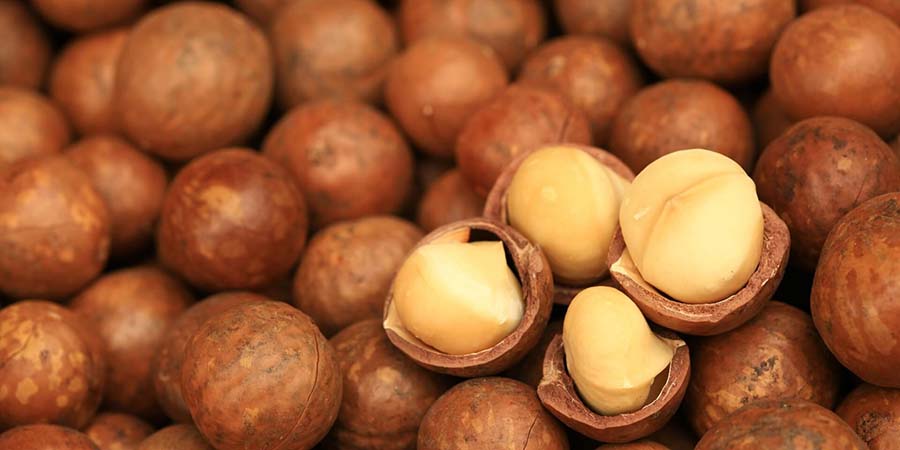
Following consultations with industry stakeholders and careful analysis of field data, the regulator approved reopening the harvest window earlier than originally planned.
Despite the reopening, AFA has issued firm guidance to farmers, traders and exporters: only fully mature nuts should be harvested and traded. The authority warned that premature harvesting threatens kernel quality and could jeopardize access to premium export markets where rigorous quality standards are enforced.
Director-General Dr. Bruno Linyiru reiterated that immature nuts should be left to develop further and urged strict adherence to maturity assessments. AFA officials stressed that non-compliance could undermine not only product quality but also Kenya’s standing among top global macadamia producers.
Macadamia nuts have become one of Kenya’s most important agricultural exports, generating significant foreign exchange and supporting rural livelihoods. As one of the continent’s leading producers, Kenya’s macadamia industry is heavily export-oriented, with a large share of production destined for markets in Asia, Europe and North America.
The crop’s popularity among smallholder farmers has grown as prices have remained attractive relative to many traditional cash crops. However, quality concerns linked to early picking and inconsistent grading have occasionally posed challenges, prompting regulators to tighten monitoring and enforcement.
AFA has pledged ongoing surveillance throughout the harvest season to ensure that quality benchmarks are maintained and that Kenya continues to meet the exacting standards of international buyers. The authority also reiterated its commitment to sustainable production practices that reinforce the industry’s long-term competitiveness.
| FAQ |
|---|
| How is Kenya’s macadamia production? Kenya is a top global macadamia producer, with annual production estimated at over 40,000 metric tons, covering approximately 8,746 hectares. The industry is a key foreign exchange earner, with 90-95% of production exported. Production is projected to reach 63,000 tons by 2027, driven by smallholder farmers. What is premature picking and why is AFA concerned? Premature picking is harvesting nuts before full maturity, leading to poor kernel quality, low oil content, and export rejections. AFA is concerned because it damages Kenya’s market reputation. Why was macadamia harvesting suspended in the first place? The suspension (1 December 2025 – 15 February 2026) was imposed to stop premature picking, which lowers kernel quality, oil content, and shelf life, key requirements for premium export markets. What does this mean for growers and Kenya? For growers: better prices and higher yields when harvesting mature nuts. For Kenya: protected export markets, stable foreign exchange, and long-term industry growth. About AFA The Agriculture and Food Authority (AFA) regulates Kenya’s macadamia sector, ensuring quality, compliance, and market access. |