
October 30, 2025
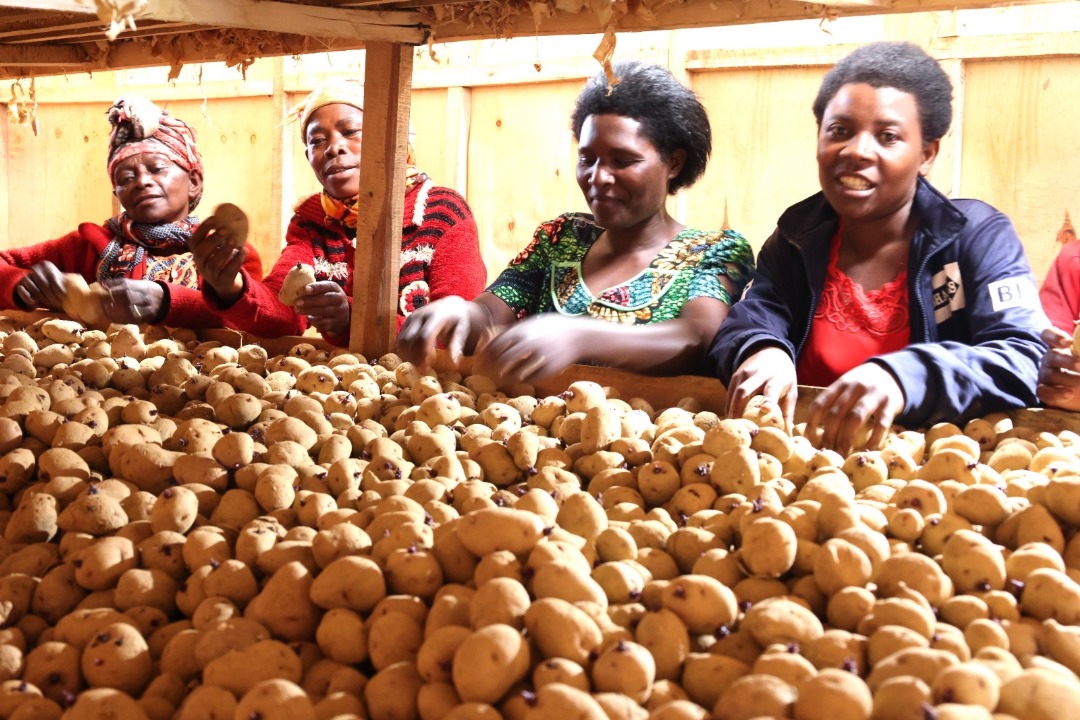
Rwanda has made a significant policy shift by ending fixed price controls on agricultural produce, allowing farmers and buyers to negotiate prices freely based on market supply and demand. This reform, implemented since last year, aims to enhance competitiveness, attract private investment, and resolve recurring conflicts between producers and buyers that were common under the previous system.
Minister of Trade and Industry, Prudence Sebahizi, noted that the old fixed-price model had become unsustainable. When prices set by the government were too high, buyers often refused to purchase; when prices were set too low, farmers withheld supply or sold in neighboring markets for better returns. Such distortions resulted in stalled transactions and losses for cooperatives and traders.
Since removing price controls, Rwanda has seen two agricultural seasons proceed without such disruptions, with prices now adjusting more responsively to harvest volumes and regional demand. This approach also aligns Rwanda more closely with regional economic frameworks like the African Continental Free Trade Area (AfCFTA), improving Rwandan produce’s competitiveness in cross-border trade.
However, experts caution that the policy introduces vulnerabilities, especially for small-scale farmers who may lack storage facilities and market information, making them susceptible to exploitation by intermediaries offering low prices during harvest peaks. To counter this, the government recommends strengthening farmer cooperatives, expanding warehouse receipt systems, and improving access to transparent market data. These measures help farmers gain bargaining power, access credit against stored produce, and sell when prices are more favorable.
For consumers, the shift signals more price variability, with prices dropping in bumper harvests and rising in lean seasons. To prevent unfair trading practices and artificial price hikes, Rwanda’s Inspectorate, Competition and Consumer Protection Authority (RICA) has been empowered to monitor the markets.
Regional experiences provide valuable lessons: Kenya and Tanzania saw investment growth after similar reforms but experienced price instability from weak oversight. Kenya addressed this by establishing strategic grain reserves and market information systems, while Tanzania improved cooperative structures and crop quality standards to protect farmers’ interests. Uganda’s coffee sector example shows that liberalization combined with investment in training and quality can deliver higher incomes and export growth.
Moving forward, Rwanda faces the challenge of balancing market efficiency with social equity by ensuring transparent pricing, strong competition laws, and investing in post-harvest infrastructure such as warehouses and cold storage. This new policy chapter holds promise for uplifting farmers, boosting exports, and fostering a fair and dynamic marketplace for agricultural produce in Rwanda.
Source credit: New Times