
February 05, 2026
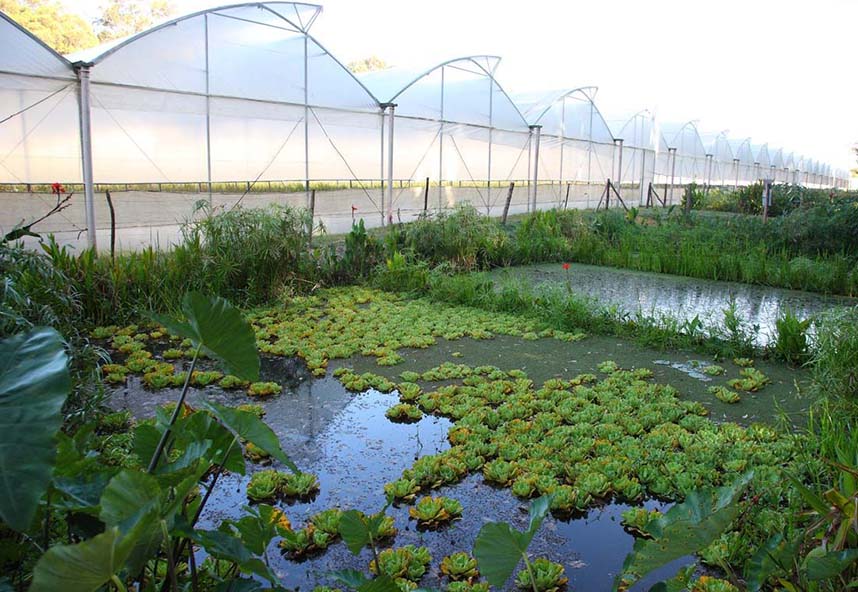
Tambuzi, a leading Kenyan flower producer on the slopes of Mount Kenya, has made water conservation a cornerstone of its operations. By integrating innovative harvesting, efficient usage, and eco-friendly treatment systems, the company exemplifies responsible resource management amid growing climate pressures.
Integrated Water Management Plan
Tambuzi‘s approach begins with a holistic Integrated Water Management Plan that safeguards riparian ecosystems along the Burguret River. Rather than drawing directly from the river, they rely on a massive 10-acre (approximately 6-hectare) dam filled exclusively by harvested flood flows during rainy seasons, preserving natural river health. This dam, combined with rainwater collection from greenhouses covering up to 50% of annual needs, ensures self-sufficiency without depleting local water tables.
The plan emphasizes transparency through daily monitoring and reporting, strengthened by a partnership with MKEWP (Mount Kenya Ewaso Water Partnership). This collaboration aligns with broader catchment management efforts, as highlighted in the 2030 Water Resources Group initiatives, where Tambuzi was featured for its proactive reforms to bridge water demand-supply gaps by 2030. Such measures not only comply with Kenya’s National Water Resources Strategy but also foster community trust in shared watersheds.
Advanced Harvesting and Storage Solutions
To combat erratic rainfall patterns fueled by climate change, Tambuzi has invested heavily in rainwater harvesting infrastructure. Four lined lagoons boast a combined capacity of 31,000 cubic meters, capturing runoff from roofs, roads, and greenhouses to recharge the dam and irrigation systems. This setup reduces reliance on external sources, with borehole water reserved solely for the packhouse to maintain hygiene standards.
These investments mirror global best practices in horticulture, where precision storage minimizes evaporation losses in sunny equatorial climates. By prioritizing floodwater over steady pumping, Tambuzi avoids the ecological strain seen in over-extracted rivers, contributing to biodiversity in surrounding wetlands and forests. The result is enhanced water security, enabling consistent rose production even during dry spells that plague East Africa’s agriculture.
Efficiency Through Technology and Accountability
Precision agriculture defines Tambuzi‘s water efficiency. Drip irrigation delivers water directly to plant roots, minimizing waste from evaporation or runoff, while metered supplies and pay-for-use systems incentivize mindful consumption across farms and facilities. High-efficiency pumps, part of their annually reviewed management plan, further optimize delivery.
Accountability shines in their metrics: up to 50% of greenhouse rainwater meets operational demands, and recycling loops close the circuit. These technologies align with Swan Systems‘ smart irrigation tools, which Tambuzi employs for real-time allocation adjustments based on soil moisture and weather data. In a sector often criticized for high water footprints, Tambuzi‘s model sets a benchmark, reducing costs and environmental impact while supporting yields for export markets in Europe.
Wastewater Treatment and Reuse Innovation
No drop goes to waste at Tambuzi, thanks to a constructed wetland system treating effluent from the packhouse, canteen, and laundry. This natural filtration, using papyrus reeds, water hyacinth, and sequential beds/ponds, processes greywater into a reusable irrigation supply, recycling 50% effectively. The system prevents contamination of local aquifers, protecting downstream communities and wildlife dependent on the Burguret catchment.
This closed-loop approach embodies circular economy principles, as noted in Sustainable Inclusive Business Kenya reports, where Tambuzi‘s composting and water recycling are lauded for regenerative impacts. Unlike chemical treatments that generate sludge, wetlands offer low-maintenance, biodiversity-boosting purification, harmonizing productivity with ecosystem restoration. Tim Hobbs, Tambuzi‘s CEO, emphasizes community sensitization to link upstream conservation with downstream benefits, underscoring shared responsibility.
Broader Impacts and Future Resilience
Tambuzi‘s water ethos extends beyond the farm. As part of Mt. Kenya Growers Group, they advocate for catchment-wide protections against deforestation and inefficient irrigation, addressing regional shortages affecting pastoralists and horticulture alike. Their environmental policy targets soil health, like mulching to boost water retention and organic amendments to curb erosion.
In Kenya’s flower industry, which supports thousands of jobs, such practices counter narratives of unsustainability. Amid 2026’s projections for intensified droughts, Tambuzi‘s proactive stance echoed in global frameworks like CDP Water Security, builds resilience. Investments today yield tomorrow’s stability: reliable supplies, compliant exports, and thriving ecosystems.
| FAQ |
|---|
| Why is water a key resource in Kenya? Kenya is largely arid, rainfall is unreliable, and demand from food production, cities, and exports is rising. Water security now directly affects food, jobs, energy, and economic stability. Why is water management so critical for Tambuzi? Tambuzi operates in a water-sensitive catchment on Mount Kenya, where climate change, erratic rainfall, and competing water needs make responsible water use essential for both production and ecosystem protection. How does Tambuzi’s approach benefit the wider community? By avoiding over-abstraction, protecting aquifers, and promoting catchment conservation, Tambuzi helps safeguard water availability for downstream communities, wildlife, and other users. What is a water footprint, and what is Tambuzi’s impact? A water footprint is the amount of freshwater used and affected in production. Tambuzi lowers its footprint by harvesting water, using drip irrigation, and recycling about 50% of wastewater, reducing freshwater abstraction and pollution risk. About Tambuzi Tambuzi is a Kenyan rose producer on Mount Kenya, known for export-quality flowers and responsible water stewardship in a water-stressed catchment. |