
January 29, 2026
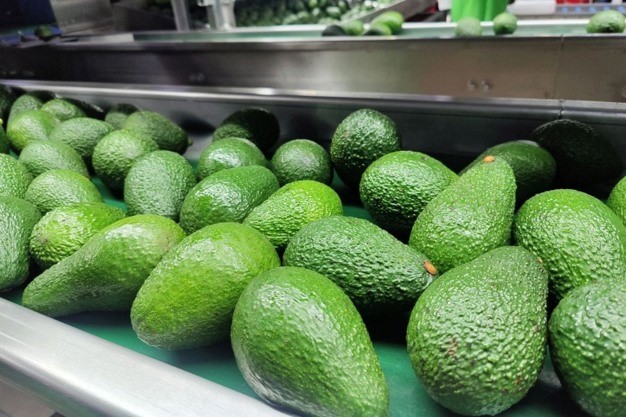
Green-skinned avocado varieties from Kenya are stepping out of the shadow of Hass as international demand and improved price performance drive a notable shift in the market. Traditionally destined for local consumption or used primarily to support pollination in orchards, green-skin avocados are now emerging as a commercially attractive export product.
According to Paul Kyalo, Managing Director of Konza Tropicals, the change became evident during the previous season, when export-grade green skins achieved farmgate prices close to and in some cases equal to those of Hass avocados. “This was a turning point,” Kyalo explains. “Export programs expanded into markets that actively prefer green-skin varieties, particularly in the Middle East and North Africa, as well as Turkey and parts of Eastern Europe.”
From Secondary Variety to Export Opportunity
In a typical Kenyan avocado orchard, Hass still dominates, accounting for around 85–90% of plantings, with green skins representing 10–15%. Historically, these green-skin trees were maintained mainly for agronomic reasons rather than commercial ones. However, improved demand and pricing have encouraged growers to harvest green skins more selectively and redirect higher-quality fruit into export channels.
As a result, Kenya was able to increase green-skin export volumes last season without significantly expanding planted area. Fruit that would previously have been absorbed by the domestic market instead entered international supply chains, boosting overall export figures.
Early Season Underway
Kenya’s avocado season traditionally opens in mid-February with green-skin varieties, though limited early volumes are already reaching export markets. These shipments are coming from early-maturing orchards and are restricted to fruit that meets minimum dry matter requirements under current regulatory controls.
“Exports will initially remain selective,” Kyalo notes, “but from late February onwards, volumes will rise steadily as harvesting expands across the main growing regions and more orchards reach full maturity.”
Stable Production Conditions Support Outlook
Despite concerns about weather-related challenges in some areas, overall production conditions remain favorable. Average and well-distributed rainfall during the final quarter of 2025 supported flowering, fruit set, and early development across most avocado-producing regions. This is particularly significant given that more than 80% of Kenya’s avocado production depends on rainfall rather than irrigation.
Looking ahead, rainfall in April and May will be crucial in determining final fruit sizes for the mid- and late-season crop. Adequate moisture during this period will support optimal sizing, while water stress could lead to a higher proportion of smaller fruit.
Kenya’s avocado sector also continues to benefit from structural growth. New orchards are entering commercial production, and non-traditional growing regions, especially in the Rift Valley, are increasingly contributing to national output, improving both supply continuity and resilience.
Volumes Set to Increase in 2026
While green-skin acreage remains largely unchanged, improved orchard management, better sorting, and stronger market access are expected to translate into higher exportable volumes. Kyalo estimates that Kenya’s total avocado output could increase by around 20% in 2026 compared with the previous year.
Early indicators suggest that medium-sized fruit will dominate the early season, with counts such as 18s, 20s, 22s, and 24s making up the bulk of shipments during the first three months.
Demand Anchored in MENA and Turkey
Demand for Kenyan green-skin avocados continues to be strongest in the Middle East and North Africa, where consumers favor these varieties for their taste profile, familiarity, and competitive pricing. Turkey has also emerged as a stable and growing market, particularly for the Fuerte variety.
Eastern Europe is showing increasing interest as well, especially during periods when supply from competing origins is limited. In contrast, exports to Western Europe remain constrained by logistics challenges. Transit times and freight reliability, particularly the status of shipping routes through the Suez Canal, will determine how much fruit Europe can absorb this season.
“If logistics improve, Europe could take more green skins,” Kyalo says. “But under longer transit scenarios, shipments will remain selective.”
At Konza Tropicals, orchard composition remains unchanged, with green skins accounting for around 10–15% of plantings. Nevertheless, the company exported higher volumes of green-skin avocados last season, driven by a greater share of fruit meeting export specifications and improved commercial viability.
“The perception of green skins is changing,” Kyalo concludes. “They are no longer just a secondary variety but an increasingly important part of Kenya’s avocado export story.”
SOURCE: Fresh Plaza