
January 22, 2026

Kenya is Africa’s leading avocado producer and the sixth largest globally. In 2023, the country harvested 632,953 metric tonnes of avocados, with 114,033 tonnes (21%) destined for export. In 2025, national production is projected to rebound by about 4% to 585,000 tonnes, driven by expanded avocado acreage, now estimated at 34,000–36,000 hectares, coupled with improved seedling quality and better orchard management.
Exports are expected to rise to 135,000–140,000 tonnes, supported by strong demand in traditional markets and new openings in Iraq, South Korea, and India. Yet this optimism is facing a significant biological threat: the rapid spread of the Persea mite (Oligonychus perseae) across major production zones.
Floriculture Magazine spoke with Hamish Ker, Managing Director, Andermatt Kenya Ltd, a company specializing in biological pest management. Here, he explains what agronomists and growers need to know.
How is Persea Mite Spreading and Why Does It Matter?
First detected in Nakuru County in November 2023, the Persea mite is believed to have been introduced through cross-border plant material or contaminated harvesting and pruning tools. According to Ker, the pest is now confirmed in “multiple commercial avocado clusters.” For a crop valued at more than KSh 15 billion annually and central to rural livelihoods, these losses pose a direct threat to Kenya’s competitiveness in global avocado markets.
Although the mite is barely visible to the naked eye, its impact is far from small. Hamish warns that “unchecked Persea mite infestations can reduce yields by 20–40% and compromise fruit quality significantly, especially for export markets where cosmetic standards are strict.”
Symptoms and Field Diagnosis
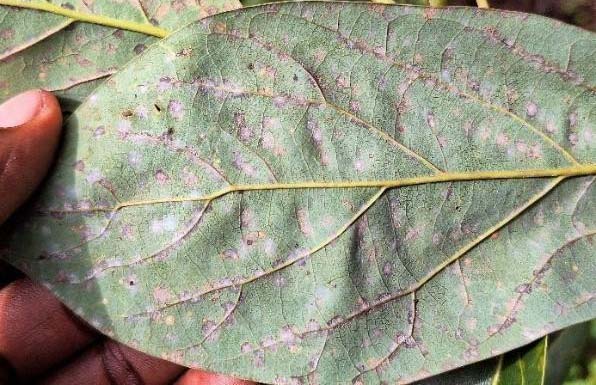
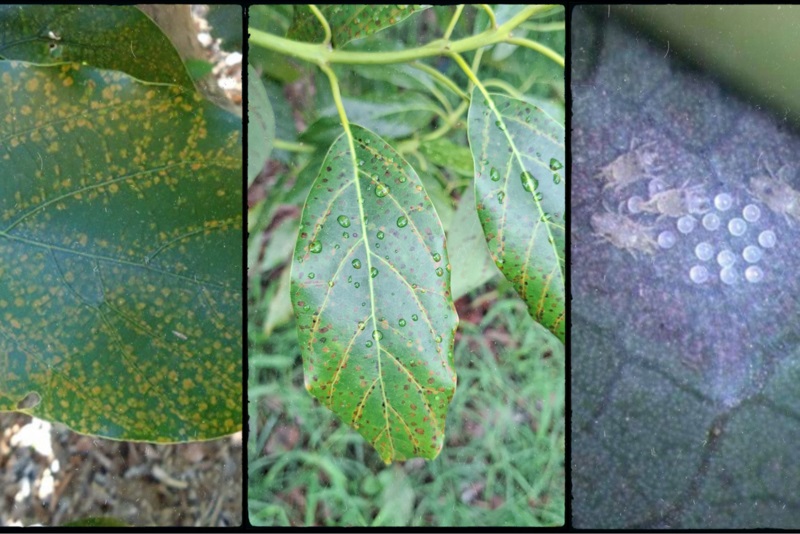
Persea mites typically cluster on the underside of young avocado leaves, piercing plant cells and extracting chlorophyll. This feeding activity creates distinctive circular necrotic spots, often arranged along the veins and midrib. In cases of severe infestation, the mites produce dense, silvery webbing around their feeding areas, which shields them and their eggs from predators, rain, and even pesticide applications.
Heavy Persea mite populations can cause extensive defoliation, leaving trees bare and exposing fruits and bark to direct sunlight. This leads to sunburn damage, premature fruit ripening, increased fruit drop, and ultimately reduced yields. The first signs appear as yellow or bronze spots on the leaf surface. Over time, these merge into large necrotic patches. In heavy infestations, leaves brown, curl, and fall prematurely.
The toll on farmers is significant:
Lower Yields – Defoliated trees photosynthesize less, producing fewer and smaller fruits.
Rising Costs – Chemical miticides provide only short-term relief, are expensive, and quickly face resistance.
Market Risks – Export buyers demand high standards. Mite-damaged orchards signal poor management, raising the risk of rejected shipments.
Tree Decline – Chronic infestations weaken trees, making them prone to other diseases and reducing their productive lifespan.
Sunburn Damage – Defoliation exposes fruits to intense solar radiation, causing epidermal necrosis and downgrading export quality.
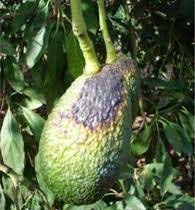
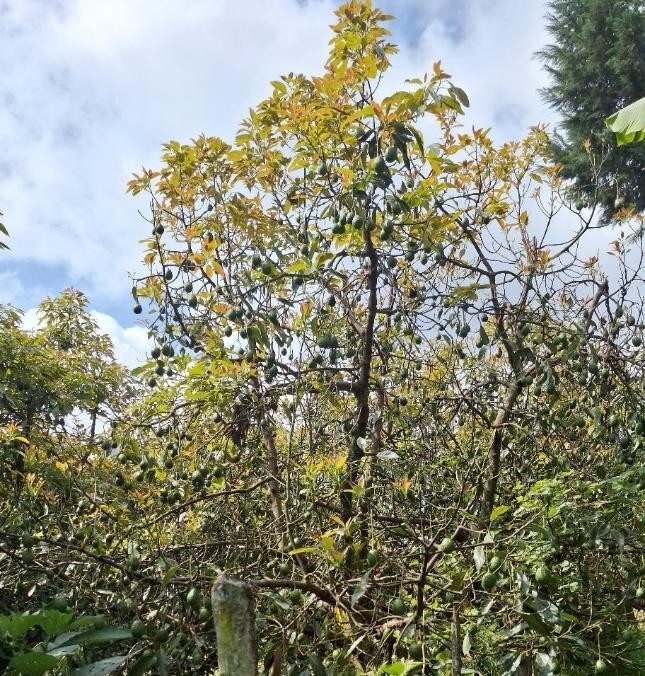
Hamish notes that defoliation is the most devastating effect, as it exposes fruits and bark to intense heat. “In some orchards, we see sunburn damage exceeding 30% of fruits, which immediately disqualifies them from export,” he explains.
IPM: Fighting Persea Mites with Sustainable Solutions
While chemical pesticides can offer short-term relief, they come with limitations, especially the risk of resistance and environmental harm, Hamish Ker stresses. “That’s why a shift toward biological and ecological solutions is not just encouraged but essential.”
Persea mite control requires a strong Integrated Pest Management (IPM) approach. Hamish emphasizes that “Growers must shift from heavy chemical dependence towards balanced programmes combining sanitation, monitoring, selective miticides, and biological control.”
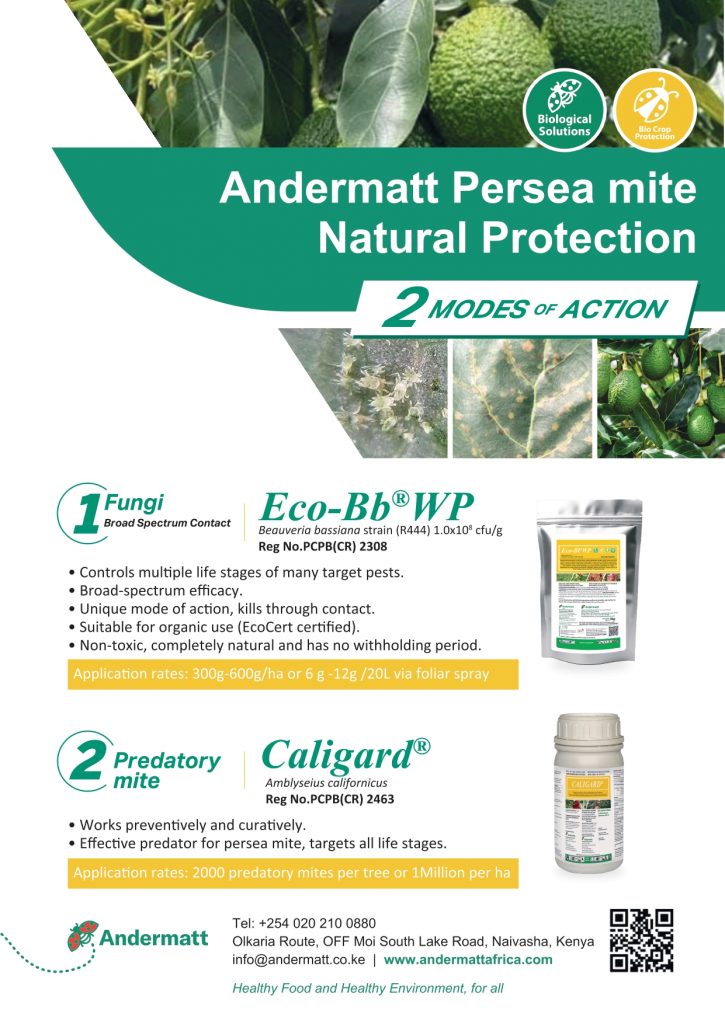
So, what biological and ecological solutions are available?
“At Andermatt Kenya Limited, we are committed to supporting farmers with biologically based, environmentally friendly tools that align with export requirements and sustainable agriculture. For rose growers, we offer four products, namely CALIGARD® and Eco-Bb®WP.” Hamish states as he gives a short explanation of each product:
- Amblyseius californicus – The Specialist Predator
Commercially available as CALIGARD®, this predatory mite is a proven enemy of persea mites.
Unlike many beneficials, it can survive on alternative foods, such as pollen, when pest levels are low. This ensures it remains active in orchards throughout the year.
CALIGARD® thrives across a wide range of temperatures, making it well-suited for Kenya’s avocado-growing zones. Crucially, it can move easily through the webs spun by persea mites, preying on their eggs, nymphs, and adults. When introduced early, it prevents mite populations from exploding and offers farmers long-term, natural suppression.
- Beauveria bassiana – The Fungal Assassin
Marketed locally as Eco-Bb® WP, this beneficial fungus works differently. Its spores attach to mites, germinate, and penetrate their cuticle. Once inside, the fungus multiplies, killing the pest and releasing new spores to spread infection.
Eco-Bb®WP excels in situations where mite colonies are already dense. Unlike predators, it can penetrate the silken webs, making it an effective knockdown tool. Combined with CALIGARD®, it delivers a one-two punch: the fungus reduces outbreaks quickly, while predators maintain long-term balance.
According to him, these tools are already being deployed successfully across multiple regions and adapted to various climatic conditions, “thanks to our collaboration with local experts and partners.”
The success of biological control depends on timing and monitoring. Hamish recommends a structured weekly scouting programme during warm, dry months; the period when mite populations explode.
Scout Regularly – Inspect the undersides of leaves for webbing or early discoloration.
Introduce CALIGARD® Early – Release predators when infestations are still light to establish a protective population.
Apply Eco-Bb®WP When Needed – Use fungal sprays if mite colonies are already widespread, clearing the way for predators.
Avoid Broad-Spectrum Chemicals – These kill natural enemies and disrupt orchard balance, often worsening mite problems.
Conclusion: Time to Act for the Future of African Agriculture
The persea mite may be tiny, but its threat to Kenya’s avocado industry is enormous. If left unchecked, it risks undermining farmer livelihoods, reducing exports, and damaging Kenya’s global reputation for high-quality avocados.
Hamish stresses that the fight against Persea mite is not just a technical challenge; “it’s a matter of preserving Africa’s agricultural reputation, protecting farmer livelihoods, and ensuring access to key export markets. Through innovative solutions like CALIGARD® and Eco-Bb®WP, and with support from scientific partners and farmer training, we can build a resilient and pest-free future for African agriculture.”
Andermatt Kenya Limited
Contact: info@andermatt.co.ke or +254022100880