
January 29, 2026

The False Codling Moth (FCM) faces zero-tolerance consequences in key markets such as the EU. Even a single larva found in a shipment can trigger rejection, delay, or increased inspections, with direct financial implications for growers and exporters alike. This policy has forced Kenyan floriculture to innovate. Inspection rates for roses destined for the EU have steadily risen in recent years, reflecting tightening regulatory oversight.
Failure to comply also damages a farm’s long-term reputation with importers, potentially reducing market share in a sector where Kenya supplies roughly one-third of the European cut flower demand. This environment has accelerated the adoption of the False Codling Moth Systems Approach (FCMSA), a structured, multi-layered protocol developed in collaboration with the Kenya Plant Health Inspectorate Service (KEPHIS) and industry stakeholders.
The FCMSA represents a paradigm shift in pest management, moving beyond individual interventions toward a holistic, risk-based framework that covers the entire production and export chain. Its foundation lies in understanding that controlling FCM cannot rely solely on sprays, biologicals, or sanitation measures in isolation; instead, a combination of practices must function in concert and be verifiable for market access.
The systems approach begins with pre-planting risk assessment, examining site history and neighbouring host crops to anticipate pest pressure. This proactive step allows growers to make informed decisions on planting schedules, crop placement, and varietal selection, thereby reducing exposure from the outset.
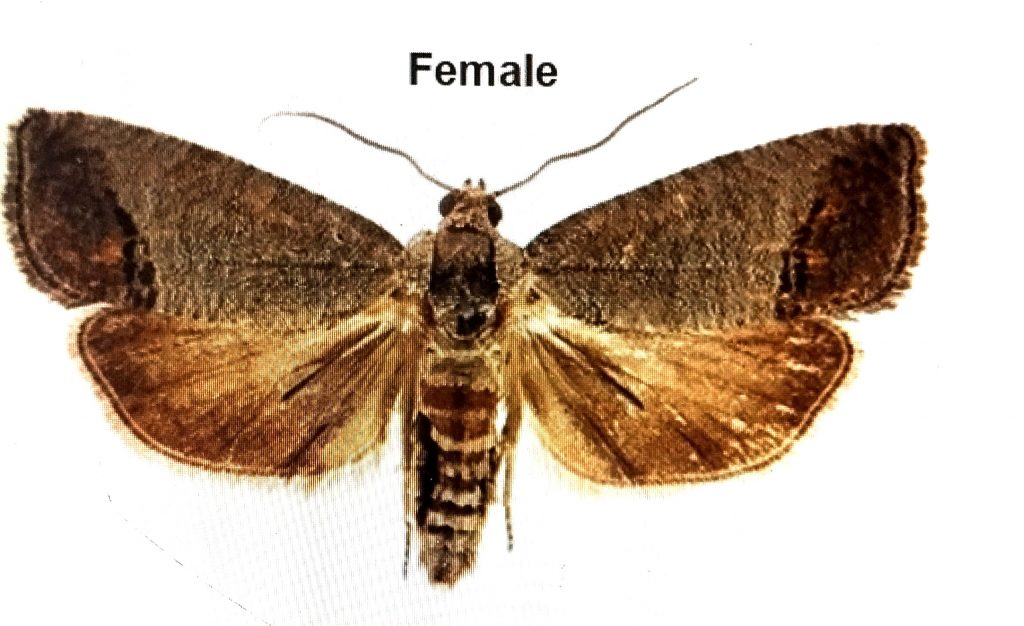
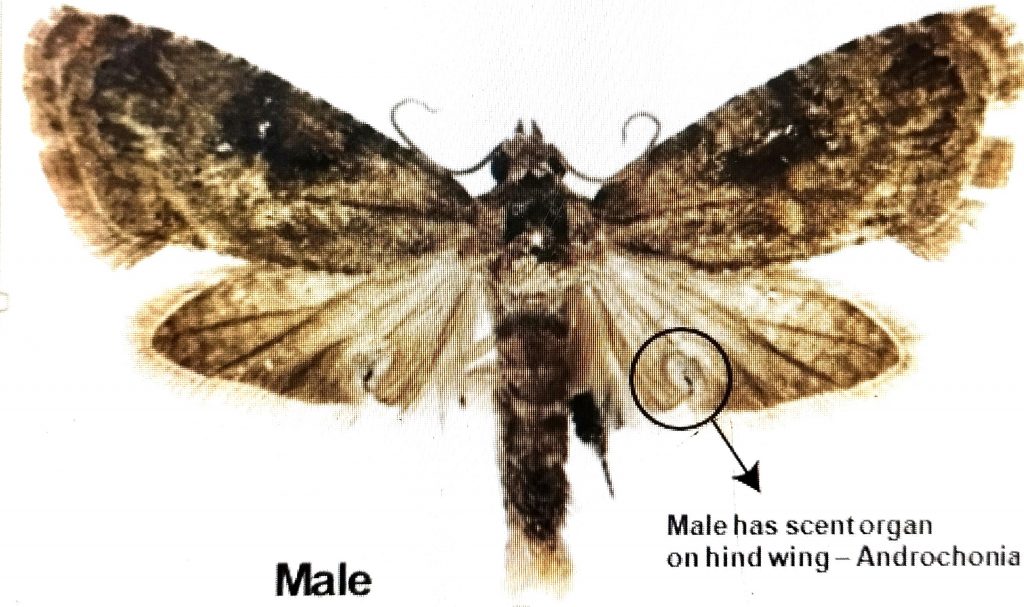
Once the crop is established, continuous monitoring is essential. Pheromone traps placed strategically across the farm provide early warning of adult activity, while systematic scouting identifies hotspots before larvae can tunnel into buds. Data from these monitoring activities guide targeted interventions, ensuring that action is taken based on actual pest pressure rather than predetermined spray calendars. Complementing this, integrated pest management (IPM) measures combine cultural, biological, and chemical tools.
Biological controls, including Bacillus thuringiensis (Bt) products and virus-based agents, offer precise larval suppression with minimal residue, aligning with export standards. Mating disruption through pheromone dispensers further reduces reproduction rates, particularly when deployed at recommended densities. Cultural measures, including rigorous field sanitation and removal of fallen buds or debris, reduce larval refuges and amplify the effectiveness of other controls.
The systems approach extends beyond the field. Packhouse inspection and pre-shipment sorting are integral to FCMSA, ensuring that only clean, compliant stems are exported. Every consignment is documented, with detailed logs of trap counts, interventions, chemical usage, and inspection outcomes. Traceability and record-keeping are non-negotiable, as auditors periodically verify compliance to maintain certification and EU market access.
This combination of monitoring, integrated control, and rigorous documentation is what differentiates FCMSA from traditional pest control methods. It is not merely about reducing pest numbers; it is about proving to regulators and buyers that each consignment has been managed under a verified system that minimizes FCM risk.
For growers, embracing FCMSA has practical benefits beyond compliance. Farms implementing the systems approach report more precise spray timing, reduced chemical usage, and improved predictability in production planning. By shifting from reactive to proactive management, growers can mitigate losses, protect flower quality, and ensure uninterrupted access to lucrative export markets. It also fosters a culture of continuous improvement, where data-driven decisions inform both field practices and strategic planning.
In conclusion, the False Codling Moth is no longer a pest that can be managed solely at the field level. It is a market-driven challenge that requires a systems-level response integrating biology, monitoring, IPM, sanitation, and compliance. The FCMSA embodies this approach, providing a roadmap for growers to maintain both high-quality production and export eligibility.
While regulatory scrutiny is intensifying, Kenyan floriculture’s ability to thrive hinges on adopting such holistic strategies, ensuring that flowers leaving the farm meet the highest phytosanitary standards. For those who have long battled FCM in their fields, understanding and implementing the FCMSA is essential for sustaining both the health of their crops and the future of Kenya’s floriculture industry.
| FAQ |
|---|
| What is FCM? False Codling Moth (Thaumatotibia leucotreta) is a serious quarantine pest affecting Kenyan flower exports, especially to the EU. Why is FCM a major concern for exporters? FCM is subject to zero tolerance in key markets. A single larva can cause shipment rejection, delays, or increased inspections. Which crops does FCM affect? FCM is polyphagous and attacks roses, citrus, peppers, macadamia, and other hosts. Why is FCM difficult to detect and control? Larvae feed inside plant tissue, hiding damage until late stages. Eggs are laid individually and populations build up quietly. How does its life cycle affect management? FCM has multiple overlapping generations year-round with no diapause, requiring continuous control. Do routine spray programs work? Calendar-based sprays often miss key life stages and fail to prevent population buildup. What is required for effective control? Continuous monitoring, targeted interventions, and a data-driven, integrated management approach across the full production cycle. |