
January 22, 2026
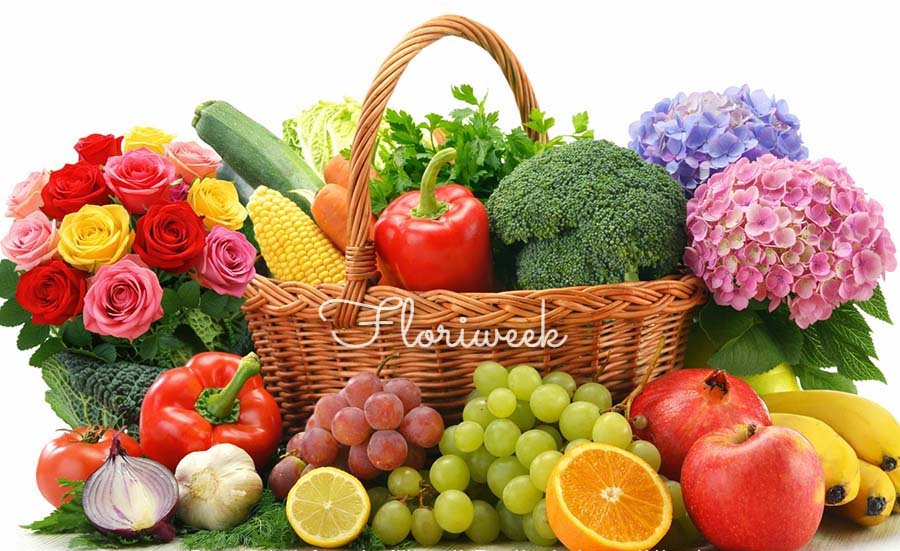
Kenya’s horticulture sector posted a strong performance between July and September 2025, with total exports valued at Sh31.3 billion (about US$195.6 million). The Netherlands dominated as the top market, underscoring Europe’s enduring appetite for Kenyan flowers, vegetables, and fruits.
Top Export Destinations
The Netherlands led decisively, absorbing Sh10.998 billion (US$68.7 million) worth of produce, which represents over a third of Kenya’s total horticultural shipments in the quarter. The United Kingdom ranked second at Sh4.469 billion (US$27.9 million), reflecting sustained demand from British retailers and wholesalers. Other key players included the United Arab Emirates with Sh2.524 billion (US$15.8 million), France at Sh2.462 billion (US$15.4 million), and Germany with Sh1.995 billion (US$12.5 million).
Spain, Saudi Arabia, and Kazakhstan also emerged as vital outlets, capturing Sh1.3 billion, Sh1.25 billion, and Sh1.08 billion, respectively. These eight markets collectively handled the lion’s share of exports, blending European reliability with rising Middle Eastern and Central Asian opportunities. This diversification highlights Kenya’s strategic pivot beyond traditional buyers, even as Europe remains central.
Product Breakdown and Sector Dynamics
Flowers constituted the bulk of exports, fueled by Kenya’s status as a global leader in cut flowers, with varieties like roses driving volumes to major auctions in the Netherlands. Vegetables and fruits followed, supplying fresh produce chains across continents, though exact splits were not detailed in quarterly data. The sector’s resilience shines despite challenges like currency volatility and logistics hurdles, as higher volumes sometimes offset value dips in prior periods.
Smallholder farmers, who produce over 80% of Kenya’s horticulture, play a pivotal role, often contracting with exporters to meet stringent international standards. In 2023, the industry generated USD 1.2 billion annually, with flowers alone hitting Sh104.3 billion, setting a benchmark for 2025 growth. Q3 2025 data signals continuity, with total values up from earlier quarters amid global supply chain recoveries.
Strategic Importance to the Economy
Horticulture ranks among Kenya’s top foreign exchange earners, alongside tea, supporting over 200,000 direct jobs and millions indirectly through outgrower schemes. The Q3 figures bolster trade balances, countering deficits in other commodities like food crops, where green grams and cowpeas showed gains, but overall slumps persisted. Exports to the UAE and Saudi Arabia underscore the Gulf markets’ rise, driven by proximity, halal certifications, and premium pricing for off-season produce.
Logistical reliability remains crucial, with air freight dominating flowers to Europe while sea routes serve fruits and vegetables to the Middle East. Compliance with EU phytosanitary rules and UK post-Brexit standards ensures market access, though stakeholders urge policy support for resilience against shocks like freight crises.
Emerging Markets and Opportunities
Kazakhstan’s Sh1.08 billion intake points to untapped Central Asian potential, joining the UAE and Saudi Arabia as “significant tier” destinations per the Agriculture and Food Authority (AFA). Smaller markets like Italy and Mexico absorbed niche volumes, hinting at broader diversification. Industry voices call for exploiting beyond the “big seven” products: roses, capsicums, snow peas, avocados, mangoes, passion fruit, and French beans, to unlock full potential.
Government initiatives, including export tracking systems and deals with the Netherlands on transport, aim to sustain momentum. Projections for flowers alone eyed Sh110 billion for the full year 2025, amid diaspora remittances and tea synergies narrowing trade gaps. As President Trump’s reelection influences global trade in 2026, Kenya’s horticulture stands poised for expansion.
Producers face volatile logistics and currency swings, yet Q3 volumes held firm. Investments in cold chains and certifications could amplify gains, especially in high-value niches. With Europe anchoring 70% of flows, balanced growth into Asia and the Gulf promises stability.
Kenya’s horticulture exemplifies agricultural export prowess, converting fertile soils and equatorial climate into economic vitality for Q3 2025 and beyond