
December 11, 2025
The new laboratories give horticulture a strong competitive lift. Improved testing helps exporters address SPS risks early, reducing rejections and positioning Kenyan fruits, vegetables, and flowers more favourably in demanding UK and EU markets.
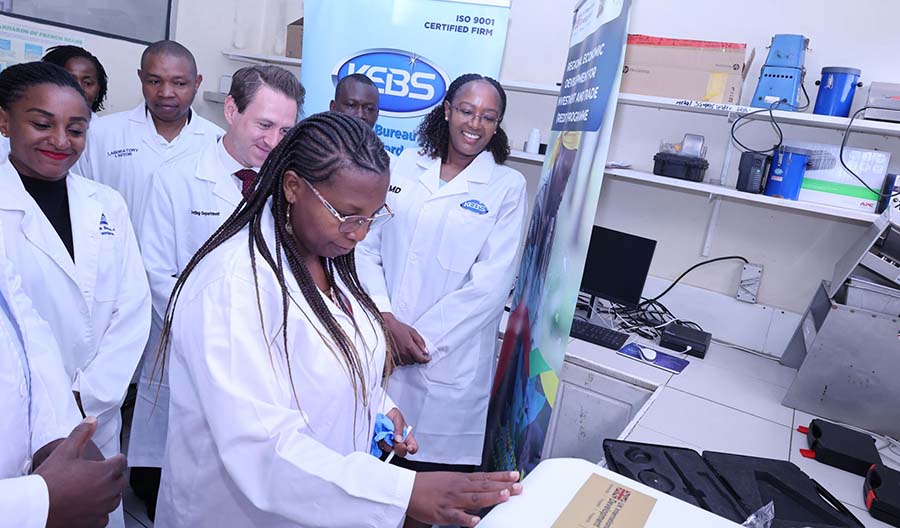

The Kenya Bureau of Standards (KEBS) has unveiled three advanced laboratory systems worth over Sh67 million, funded by the British High Commission through TradeMark Africa, to sharpen Kenya’s testing for food safety, pesticide residues, and contaminants. This upgrade equips KEBS with an Ultra-High Performance Liquid Chromatography (UPLC) system, Near-Infrared (NIR) Spectrophotometer, and Microwave Inductively Coupled Atmospheric Plasma Optical Emission Spectrometer (MICAP-OES), enabling precise detection of mycotoxins, heavy metals, nutritional adulteration, and more. The enhancements promise faster turnaround times for certifications, cutting compliance delays from weeks to days and slashing operational costs, notably by eliminating argon gas needs for the MICAP-OES, saving up to Sh1 million weekly.
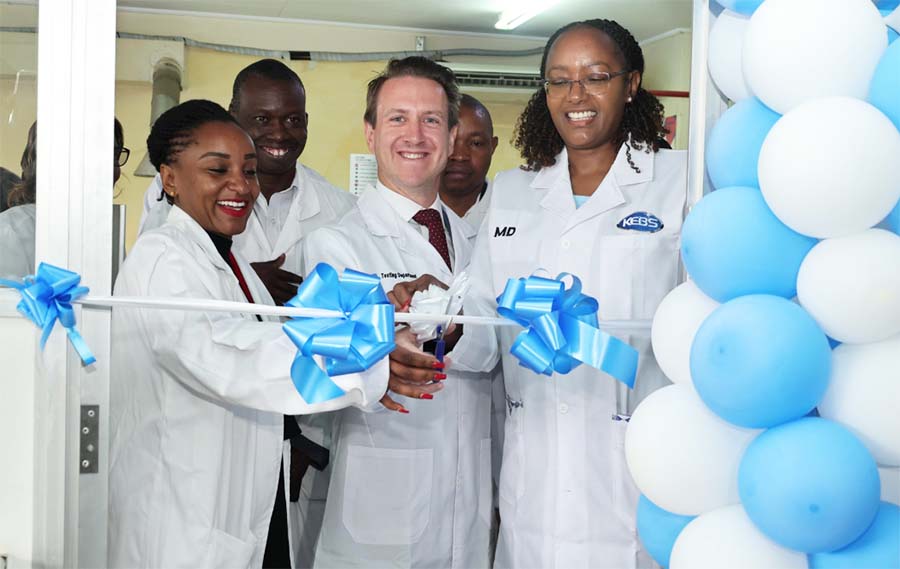
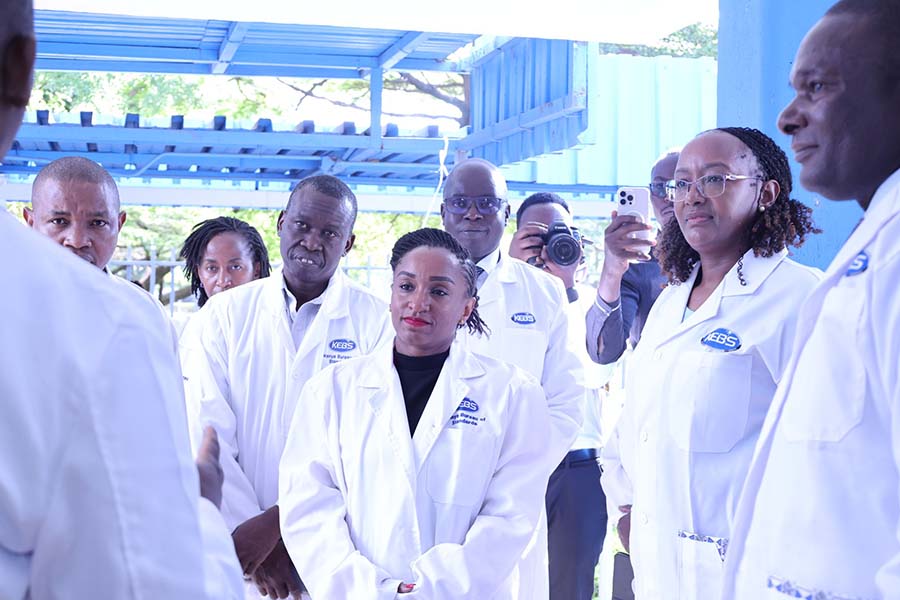
Kenya’s horticulture, food processing, livestock feed, and manufacturing sectors stand to gain immensely, as the labs reduce export rejections from stringent sanitary and phytosanitary (SPS) standards in markets like the UK and EU. KEBS Managing Director Esther Ngari highlighted how these tools will deliver safer consumer products, quicker industry certifications, and broader exporter opportunities, aligning with national quality infrastructure goals. TradeMark Africa Kenya Director Lillian Mwai Ndegwa stressed that rapid testing minimizes non-tariff barriers, boosting farmer incomes and positioning Kenya as a reliable supplier.
This initiative builds on ongoing KEBS infrastructure pushes, including a Sh243 million lab modernization under recent budgets and prequalification for specialized testing like tyres. The Standards Bill, 2025, further supports this by mandating advanced testing, metrology labs, and market surveillance to ensure traceability and global competitiveness. British High Commission Economic Counsellor Dan Wilcox noted the upgrade addresses past SPS delays in fast-growing horticulture exports, fostering trust in Kenyan goods.
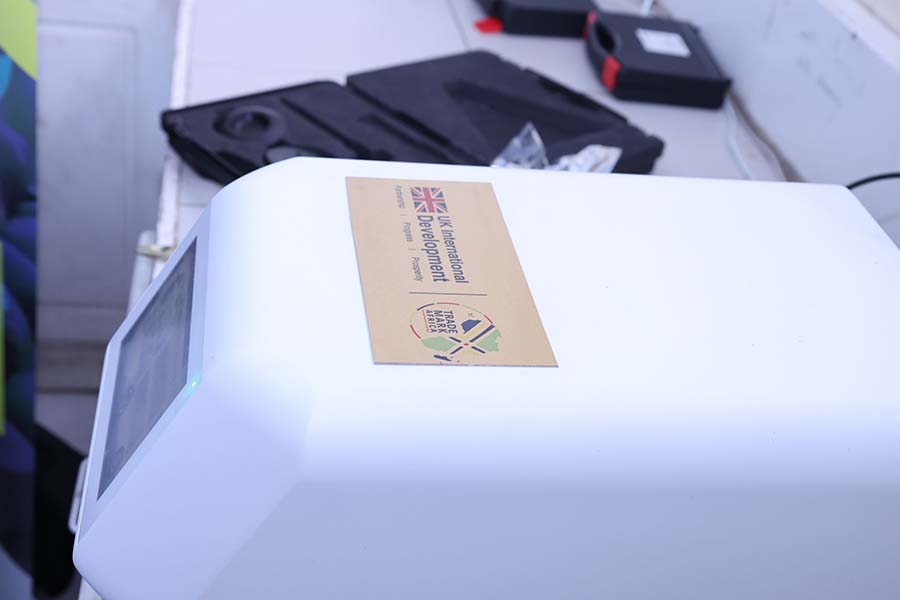
Exporters will face fewer port rejections, while local producers meet international benchmarks more efficiently, enhancing value chains. The NIR tool accelerates nutritional and contaminant checks, vital for processed foods, and UPLC refines pesticide residue analysis amid rising global scrutiny. Recent KEBS tenders for tyre and reference materials underscore a comprehensive quality assurance drive.
Ngari reaffirmed KEBS’s partnership with donors to advance standardization and conformity assessment. While Kenya eyes deeper AfCFTA integration, these labs will underpin trade facilitation, technology transfer, and consumer protection. Industry leaders anticipate reduced waste, higher earnings for cooperatives, and sustained growth in high-value exports.