
December 4, 2025
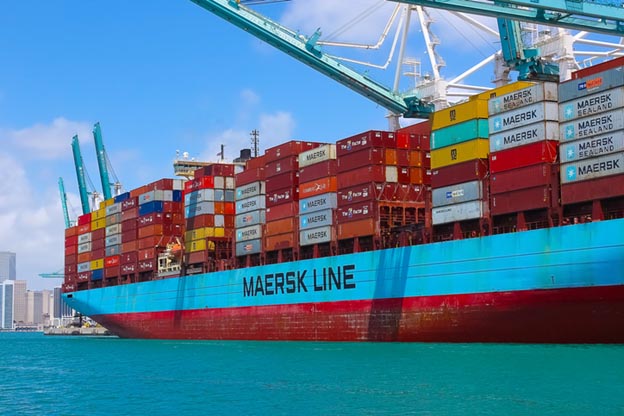
Maersk, the world’s second-largest container shipping company, has announced a new surcharge on cargo destined for the port of Mombasa, Kenya, set to start December 1, 2025. The fees, which range from $18 to $43 depending on container type and size, are intended to offset additional operational expenses linked to increased inspection fees and levies levied by Kenyan state agencies at the port.
This new “Operational Cost Imports” fee will add $18 for twenty-foot dry containers and $33 for forty-foot high cube containers. Reefer containers transporting fresh produce will incur additional charges of $33 for 20-foot units and $43 for 40-foot units. These fees will be invoiced alongside regular freight charges and apply exclusively to shipments via Mombasa Port. Maersk handles about 30% of the port’s container traffic, and the surcharge is projected to generate over $8 million annually based on current throughput volumes.
The introduction of these fees has sparked concern among local stakeholders. The Shippers Council of Eastern Africa criticized the lack of consultation and questioned whether the charges meet regulatory requirements for transparency and fairness. Stakeholders also blame various government agencies, such as the Kenya Plant Health Inspectorate Service (KEPHIS), Kenya Trade Network Agency, and Kenya Maritime Authority, for imposing multiple inspection and operational fees that cumulatively increase the cost of doing business through Mombasa. The Shippers Council urges dialogue among Maersk, the Kenya Maritime Authority, and other stakeholders to review and possibly suspend the new surcharge to protect the competitiveness of Kenyan imports and exports and stabilize supply chains.
The Kenya Ships Agent Association clarified that Maersk is passing on fees originally imposed by state agencies rather than introducing new charges independently. Industry voices call for the government to reconsider its funding model for port agencies to avoid shipping companies imposing additional fees on cargo owners. The burden of these costs typically cascades down the value chain, ultimately pushing up commodity prices and the overall cost of living in Kenya.
This development adds to ongoing concerns about rising operational costs at Mombasa, which have led to previous controversies over surcharges by shipping lines and calls from traders and regulatory bodies for reforms to ensure cost transparency and economic viability for the broader region’s trade and logistics sector.