
Bʏ Mᴇᴋᴏɴɴᴇɴ Sᴏʟᴏᴍᴏɴ
December 4, 2025

I recently had the privilege of engaging with Bashar Berro, CBI’s Middle East Consultant, at an export event where we both served as panelists. This experience provided me with invaluable insights, particularly highlighting Ethiopia’s significant potential to capitalize on the burgeoning fruit and vegetable market in the region.
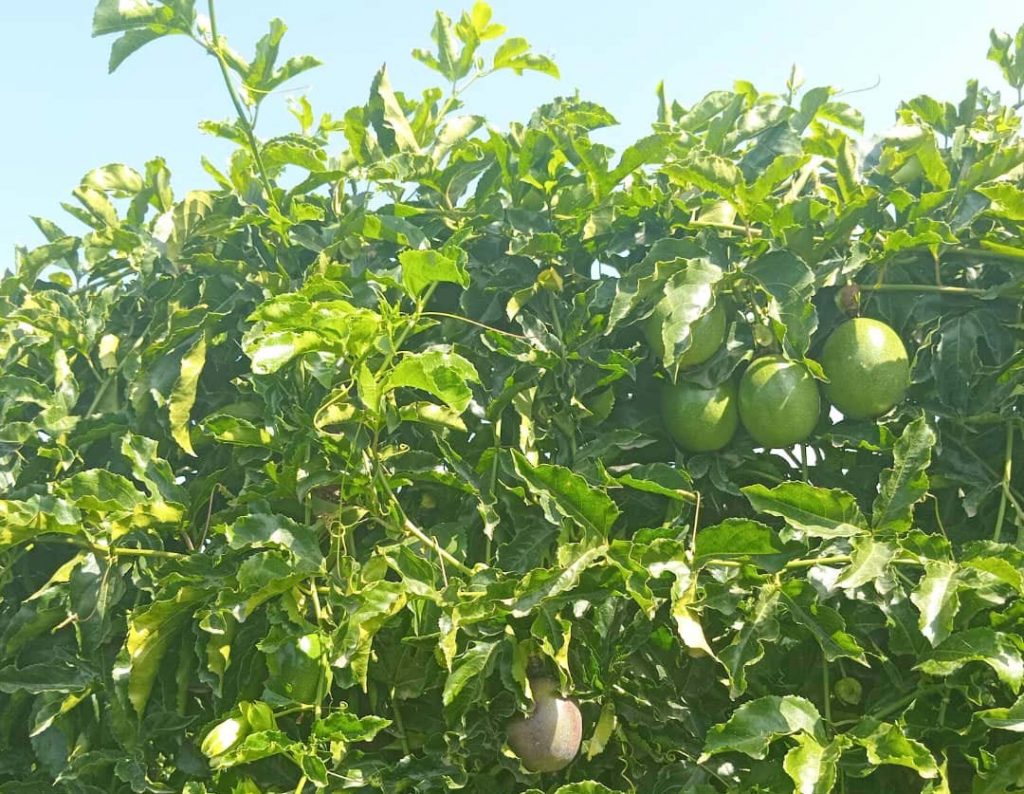
In the verdant highlands, midlands, and fertile valleys of Ethiopia, a silent revolution brews amid fields laden with strawberry, avocados, mangoes, green beans, herbs and an array of tropical delights.
With an annual production averaging 20.47 million tons of fruits and vegetables, this East African powerhouse sustains its 130 million inhabitants on a mere 6.78 million tons, yielding a formidable surplus of 13.62 million tons ripe for global trade. Yet, this abundance languishes in inefficiency: less than 6% penetrates international markets, while over 5% trickles modestly to neighbouring Djibouti and Somalia.
Such underutilization is not merely an economic oversight; it represents a profound operational lapse, one that forfeits billions in potential revenue and stifles national development. As an observer of global trade dynamics, I contend that Ethiopia must pivot decisively toward the Gulf Cooperation Council (GCC) nations, a constellation of affluent, import-dependent economies whose arid landscapes and burgeoning populations create an insatiable demand for fresh, high-quality produce. This is not a mere suggestion; it is an imperative for Ethiopia to harness its geographical proximity, superior product freshness, and competitive pricing to claim a dominant stake in the Gulf’s lucrative agricultural import sector
The GCC, encompassing Saudi Arabia, the United Arab Emirates (UAE), Bahrain, Qatar, Kuwait, and Oman, stands as a paragon of economic vitality, home to over 61 million residents with middle-to-high income brackets and robust purchasing power. Projections from 2025 analyses forecast a steady 2% annual population growth, complemented by a 2.6% GDP expansion fuelled by escalating consumption, strategic investments, and expansive trade networks. In this thriving ecosystem, Ethiopia’s tropical offerings emerge as a perfect complement to the region’s climatic constraints, where local agriculture struggles against desert sands and saline soils.
Unlike distant rivals such as India, Egypt, and China, whose shipments endure lengthy voyages that compromise freshness, Ethiopia benefits from swift air and sea routes, often mere hours away, enabling the delivery of unprocessed, vibrant produce that retains its natural allure. This proximity is Ethiopia’s ace in the hole: it allows for just-in-time logistics that minimize spoilage and processing costs, positioning Ethiopian exporters as premium suppliers capable of undercutting competitors on both quality and affordability. To overlook this advantage would perpetuate a cycle of dependency on volatile domestic markets, squandering the nation’s agricultural prowess in an era when global food security demands innovative sourcing.
Delving into the specifics, each GCC member unveils bespoke opportunities that Ethiopian stakeholders must calibrate with precision. Saudi Arabia, the region’s colossus with 35 million inhabitants, including 22 million locals and a youthful cohort where 35% are under 15, relies heavily on imports to satiate its diverse palate. Current suppliers dominate, with Egypt at 22%, China at 9%, and the UAE at 8%, yet Ethiopia could disrupt this hierarchy by spotlighting its affordable, nutrient-rich avocados and vegetables.
Leveraging Saudi Arabia’s entrenched trade alliances with global powers, Ethiopian firms should emphasize traceability and organic certifications to appeal to health-conscious consumers and burgeoning retail chains. The kingdom’s expansive wholesale markets and supermarkets offer fertile ground for volume-driven exports, where Ethiopia’s surplus can translate into sustained partnerships, bolstering food security amid the Vision 2030 diversification agenda.
Turning to the UAE, a glittering nexus of commerce with 12 million residents, 87% of whom are expatriates, this federation pulses with opportunity. Imports are led by India (16%), Canada (11%), and Australia (8%), but Ethiopia’s unprocessed produce aligns seamlessly with the expatriate-driven demand for culturally resonant, fresh items. Dubai and Abu Dhabi, as pivotal entry points, host a mosaic of preferences: from South Asian spices to African staples, creating niches for Ethiopian mangoes and leafy greens. The UAE’s role as a re-export hub amplifies this potential, allowing Ethiopian goods to radiate across the Gulf and beyond. By investing in cold-chain logistics to preserve the sensual appeal of ripe fruits, their glossy skins and aromatic essences, exporters can captivate high-end retailers and catering services, transforming transient shipments into enduring market footholds.
The smaller GCC states, though modest in scale, harbor concentrated wealth and specialized demands that Ethiopia can exploit with agility. Bahrain, with its 2 million inhabitants, draws 20% of imports from India, yet its affluent populace and growing tourism sector crave premium perishables. Ethiopia’s focus here should center on direct imports to supermarkets, emphasizing uniformity and ripeness to outshine competitors.
Qatar, boasting 2.6 million residents and one of the world’s highest per capita incomes, sources 25% from India; its expatriate-heavy workforce and expanding food processing industry beckon for reliable suppliers of fresh vegetables, where Ethiopia’s geographical edge ensures superior shelf life. Kuwait’s 4.7 million population, 90% employed in the private sector, predominantly expatriates, imports 17% from Iran, presenting openings for Ethiopian avocados in catering channels, bolstered by the nation’s oil-fueled prosperity.
Oman, with 5 million residents sourcing 24% from the UAE, offers a gateway through its strategic ports and a consumer base split between 56% locals and expatriates. The sultanate’s emphasis on regional alignments favours suppliers like Ethiopia, whose produce can enhance local food processing and hospitality sectors. Across these markets, the common thread is a reliance on imports amplified by demographic shifts: expatriate communities, comprising professionals from Asia, Africa, and Europe, drive demand for diverse, unprocessed items that evoke home.
In my view, Ethiopian enterprises must prioritize quality certifications, such as Global G.A.P. and HACCP, to instill trust, converting potential logistical hurdles into badges of excellence. This strategic tailoring not only mitigates competition but, elevates Ethiopia’s brand as a sophisticated, responsive partner in the Gulf’s culinary landscape.
Mastering entry into these markets demands a multifaceted approach, encompassing distribution channels, consumer segmentation, and regulatory compliance. Wholesale markets serve as primary conduits in Saudi Arabia and the UAE, ideal for bulk shipments of Ethiopia’s surplus, while supermarkets and caterers dominate in Qatar, Bahrain, and Kuwait, favoring direct imports for perishables.
Consumer segmentation is pivotal: expatriates in the UAE and Kuwait seek traditional flavors that Ethiopian exports can deliver with authenticity, whereas locals in Oman and Saudi Arabia prioritize regional compatibility and affordability. Documentation forms the bedrock of seamless trade: customs declarations, commercial invoices, packing lists, bills of lading, certificates of origin, phytosanitary attestations, import licenses, temperature-controlled shipment records, and bilingual labels are non-negotiable. These elements, when meticulously managed, mitigate risks of delays or rejections, enhancing Ethiopia’s credibility in a region where regulatory rigor is paramount.
To truly capitalize, Ethiopian exporters must uphold uncompromising product standards, ensuring freshness, vibrant color, optimal ripeness, and uniformity that tantalize the senses and command premium prices. Supply chain optimization is equally critical: efficient air and sea transport, resilient cold chains, and protective packaging preserve the intrinsic value of these tropical treasures.
Market intelligence underpins success, involving targeted research to discern trends, sophisticated marketing to highlight Ethiopia’s narrative of sustainability and quality, and adept negotiation to secure favorable terms. Positioning strategies should vary: small, premium shipments for upscale retail outlets in Dubai or Doha, versus large-volume wholesale for Riyadh’s bustling souks. Pricing models must balance competitiveness with profitability, leveraging Ethiopia’s lower production costs to undercut rivals while maintaining margins.
Collaborations will accelerate this trajectory: engaging with GCC trade chambers, such as the Riyadh Chamber of Commerce and Industry (accessible via www.riyadhchamber.org.sa), fosters networking and insights. Securing international certifications not only complies with standards but also signals Ethiopia’s commitment to excellence, appealing to discerning Gulf buyers. As an advocate for audacious economic maneuvers, I assert that this pivot is indispensable.
Ethiopia’s agricultural renaissance hinges on transcending local confines and embracing the Gulf’s opulent markets, where demand for fresh produce surges unabated. The harvest beckons; will Ethiopia seize this opulent opportunity or allow its bounty to wither in obscurity? The path to prosperity is clear: bold, strategic exploitation of the GCC’s appetite promises not just revenue but a transformative legacy for generations.
𝑴𝒆𝒌𝒐𝒏𝒏𝒆𝒏 𝑺𝒐𝒍𝒐𝒎𝒐𝒏 𝒊𝒔 𝒔𝒆𝒏𝒊𝒐𝒓 𝒔𝒕𝒂𝒇𝒇 𝒂𝒏𝒅 𝒉𝒐𝒓𝒕𝒊𝒄𝒖𝒍𝒕𝒖𝒓𝒂𝒍 𝒆𝒙𝒑𝒐𝒓𝒕 𝒄𝒐𝒐𝒓𝒅𝒊𝒏𝒂𝒕𝒐𝒓 𝒂𝒕 𝑴𝒊𝒏𝒊𝒔𝒕𝒓𝒚 𝒐𝒇 𝑨𝒈𝒓𝒊𝒄𝒖𝒍𝒕𝒖𝒓𝒆, 𝑬𝒕𝒉𝒊𝒐𝒑𝒊𝒂 𝘢𝘯𝘥 𝘤𝘢𝘯 𝘣𝘦 𝘳𝘦𝘢𝘤𝘩𝘦𝘥 𝘢𝘵 𝘦𝘩𝘥𝘱𝘭𝘢𝘯@𝘨𝘮𝘢𝘪𝘭.𝘤𝘰𝘮.