
21: 05: 2026
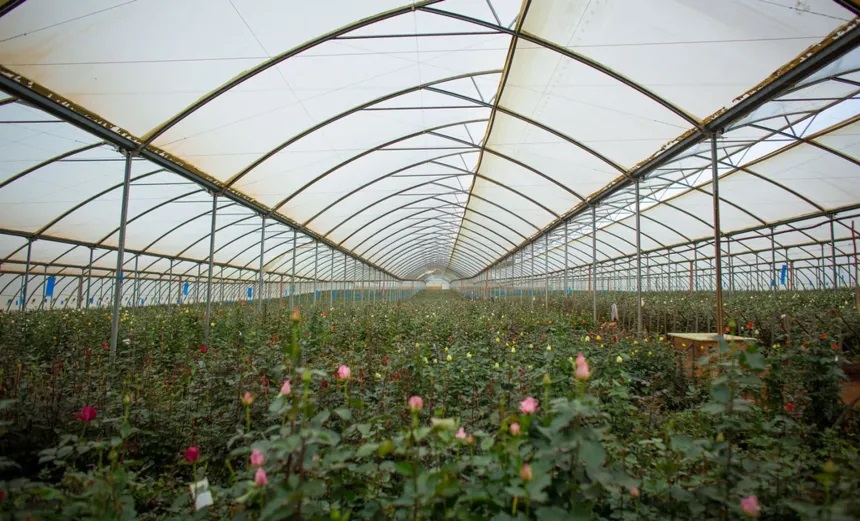
In Kenya’s highly competitive floriculture industry, where every stem counts and margins are increasingly under pressure from rising input costs, labour expenses, and strict export market standards, crop scouting remains one of the most powerful yet underutilized management tools available to growers.
Many farms focus heavily on nutrition programmes, irrigation systems, pest control products, and post-harvest handling to improve performance. While these are all critical, one simple practice often determines whether those investments translate into profit: timely, structured crop scouting.
For flower growers targeting premium export markets in Europe, the Middle East, and Asia, crop scouting is not just about identifying pests and diseases. It is about gathering accurate field intelligence that allows growers to make informed, timely decisions that maximize stem quality, improve yields, reduce wastage, and ultimately protect profitability.
Why Crop Scouting Matters
Crop scouting is the regular and systematic inspection of crops to identify production issues before they escalate into costly problems. In flower farming, where quality specifications are extremely strict, even minor pest damage, nutrient imbalance, or irrigation inconsistency can lead to rejected consignments or downgraded stems.
The reality is simple: problems detected early are cheaper and easier to correct.
A minor outbreak of red spider mites, thrips, powdery mildew, or botrytis can often be contained with targeted intervention if identified at an early stage. Left unnoticed for even a few days, the same issue can spread rapidly across greenhouse blocks, resulting in expensive rescue treatments, reduced stem quality, and significant crop losses.
Scouting also enables growers to move from reactive management to proactive production planning.
The Financial Value of Better Field Decisions
For Kenyan flower farms operating under tight margins, crop scouting directly influences return on investment.
When scouting data is accurate and consistent, managers can:
- Apply crop protection products only where needed
- Reduce unnecessary pesticide and fungicide applications
- Detect irrigation blockages or uneven fertigation distribution
- Identify nutrient deficiencies before they affect flower quality
- Monitor plant stress caused by temperature fluctuations
- Improve labour allocation by directing teams to problem zones
This precision reduces wastage and lowers production costs.
For example, many growers routinely apply preventative fungicides across entire greenhouse blocks. While sometimes necessary, blanket applications often increase costs without proportional benefit. Effective scouting allows farms to target treatment only where disease pressure is evident.
This approach lowers chemical expenditure, reduces resistance development, and supports compliance with increasingly strict Maximum Residue Level (MRL) requirements demanded by international buyers.
Beyond Pests and Diseases
The best scouting programmes do far more than monitor pests.
A skilled scout observes crop uniformity, stem development, bud formation, leaf colour, rooting performance, humidity patterns, drainage efficiency, and greenhouse microclimate variations.
In roses, subtle shifts in shoot thickness or internode spacing may signal fertigation imbalance long before visible symptoms appear.
In summer flowers and fillers, irregular flowering patterns may indicate irrigation inconsistencies or root-zone stress.
Early identification allows corrective action before these issues affect harvest volumes or export quality.
Making Scouting Work on Kenyan Farms
For crop scouting to deliver value, it must be structured.
Effective scouting requires:
1. Consistency
Scouting should follow a defined schedule, ideally several times per week depending on crop sensitivity and season.
2. Proper Documentation
Observations must be recorded clearly. Digital scouting tools, tablets, or even structured field sheets can help identify recurring trends.
3. Skilled Personnel
Scouts need proper training to distinguish between pest damage, nutritional disorders, environmental stress, and physiological abnormalities.
4. Actionable Reporting
Scouting only adds value when findings lead to timely management decisions.
Seasonal Intelligence Builds Long-Term Profitability
One of the most overlooked benefits of scouting is the historical data it creates.
Seasonal scouting records allow farms to identify recurring production patterns — when specific pest pressures peak, which blocks consistently underperform, and where irrigation or fertigation adjustments are needed.
This information improves future planning, enabling growers to anticipate challenges rather than react to them.
For Kenyan flower exporters navigating volatile freight costs, fluctuating market prices, and increasing buyer expectations, these efficiencies can make a significant difference.
The Bottom Line
In modern floriculture, profitability is no longer determined solely by how much a farm produces.
It is determined by how efficiently that production is managed.
Crop scouting may not be as visible as greenhouse expansion or new fertigation technology, but its impact is often greater.
For Kenya’s flower growers seeking to maximize profits, reduce input waste, and consistently deliver premium export-quality stems, crop scouting is not an optional practice.
It is one of the smartest investments a farm can make.