
07: 05: 2026
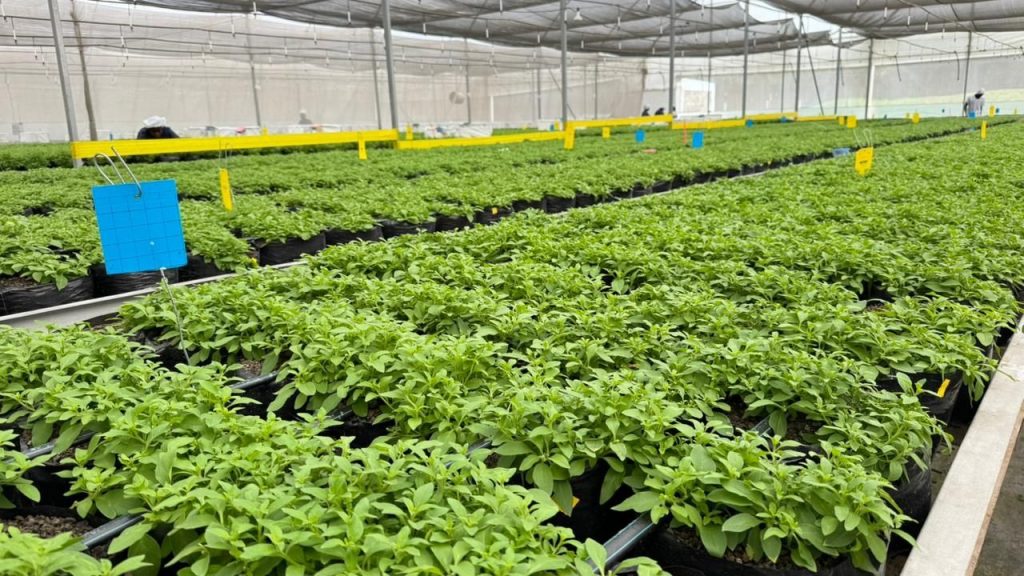
Biostimulants are substances that interact with a plant’s internal signalling system. This system acts like a communication network inside the plant, helping it detect and respond to changes in its environment. When a plant experiences stress such as temperature changes, water shortage, or insect pressure, it sends internal signals that trigger a series of responses. These responses guide how different parts of the plant adapt and protect themselves.
Beyond acting on the plant itself, biostimulants also support the living ecosystem in the soil. Healthy soils contain a wide range of beneficial microorganisms that play a key role in nutrient cycling and plant health.
Biostimulants can help support these microbial communities by providing the conditions and nutrients they need to thrive, strengthening the biological life of the soil.
Biostimulants may be natural or synthetic. They are used to improve plant growth and soil function by enhancing nutrient uptake, increasing tolerance to stress, and supporting better soil structure and biological activity.
What research tells us about biostimulants
Scientific evidence suggests that biostimulants can deliver measurable improvements in crop performance, although results vary depending on crop type, soil condition, and climate. A broad review of multiple studies found an average yield increase of 17.9 percent across different crops. The strongest responses were observed in vegetable crops and in dry regions or areas with poor soil quality. In contrast, results in some cereal systems have been less consistent.
Research has identified several potential benefits linked to biostimulant use in agriculture.
Improved nutrient use efficiency is one of the most widely reported effects. By helping plants absorb and use nutrients more effectively, biostimulants may reduce the need for high levels of synthetic fertiliser while improving overall efficiency.
Environmental sustainability is another important outcome. Reduced reliance on chemical fertilisers and pesticides can lower environmental pressure and support more sustainable production systems.
Soil health and microbial activity can also benefit. Biostimulants may encourage beneficial soil organisms and improve soil structure, creating better conditions for root development and long term fertility.
Enhanced plant growth and yield has been widely observed. By stimulating natural physiological processes, biostimulants can support stronger growth, better flowering, and improved quality of produce.
Stress tolerance is another key area. Biostimulants may help plants cope better with challenges such as drought, salinity, and temperature extremes by strengthening their natural defence mechanisms.
Integrating biostimulants into production systems
For flower growers, biostimulants can be part of a broader farm management approach aimed at reducing dependence on chemical inputs while improving resilience and productivity. Their combined effects on soil health, plant vigour, and stress tolerance make them a useful tool in modern production systems.
Before introducing biostimulants, it is important to be clear about the desired outcome. Goals may include improving soil health, enhancing root development, increasing drought tolerance, boosting nutrient uptake, or reducing crop stress.
Different types of biostimulants serve different functions. Microbial biostimulants support root activity and strengthen soil microbial communities. Compost teas help stimulate beneficial microbes and improve nutrient availability. Humic and fulvic acids enhance nutrient uptake. Amino acids and peptides support plant metabolism and stress response. Seaweed extracts are widely used to stimulate growth and improve resistance to pests and diseases.
Growers also need to decide whether to use commercial products or prepare their own formulations on farm. Each approach has its own management requirements, consistency considerations, and cost implications.
Used thoughtfully within a wider agronomic system, biostimulants offer flower producers a practical pathway to improve plant performance while supporting soil health and long term sustainability.